প্রকাশকাল: ২৩ নভেম্বর ২০২৬
The banking sector is a key driver of economic growth, investment and financial stability in Bangladesh, and is essential for the country's successful graduation from LDC status. Yet it remains vulnerable to politically influenced lending, wilful defaults, illicit financial flows and money laundering, weak supervision and inadequate enforcement.
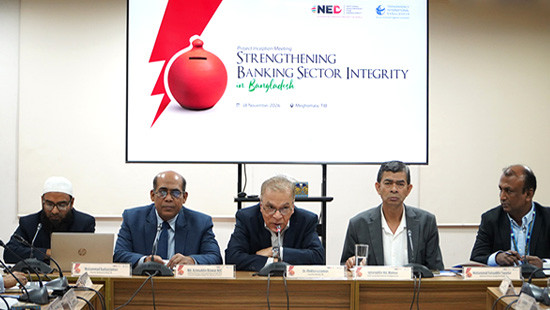
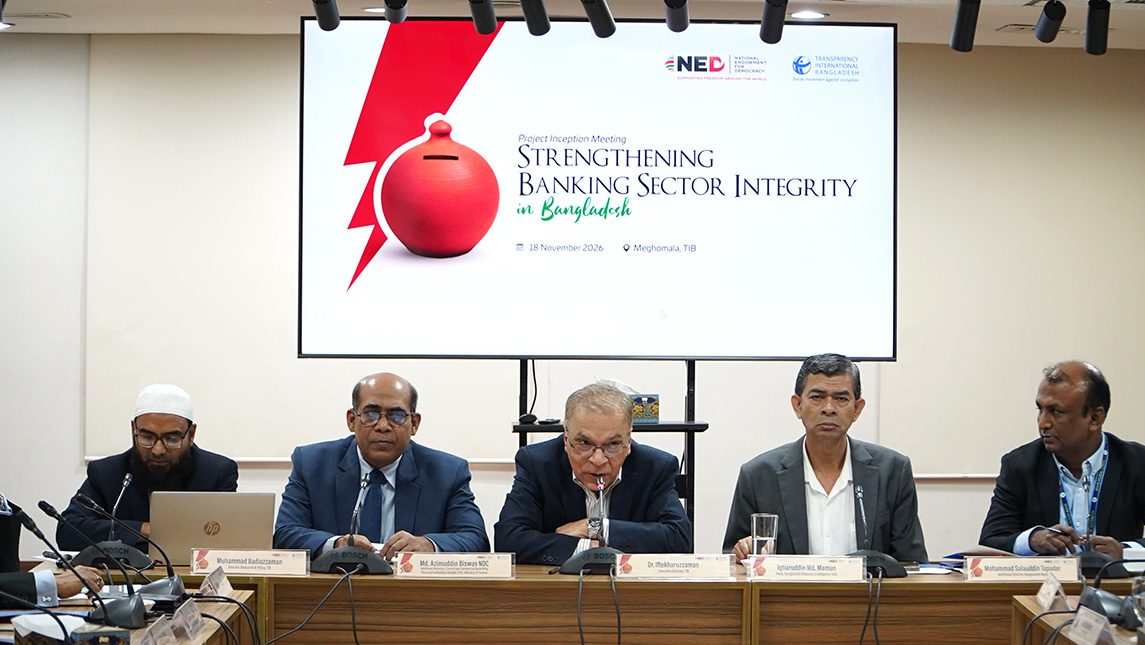
Against this backdrop, aiming to identify integrity risks and corrupt practices in the banking sector and advocate evidence-based institutional and policy reforms in Bangladesh, Transparency International Bangladesh (TIB) introduced its project, Strengthening Banking Sector Integrity in Bangladesh, at an inception meeting with key stakeholders from the banking sector on 18 November 2026.
Supported by the National Endowment for Democracy (NED), USA, the research project focuses on three key areas: regulatory compliance and oversight capacity; anti-money laundering enforcement and prevention of illicit financial flows; and non-performing loans and recovery mechanisms.
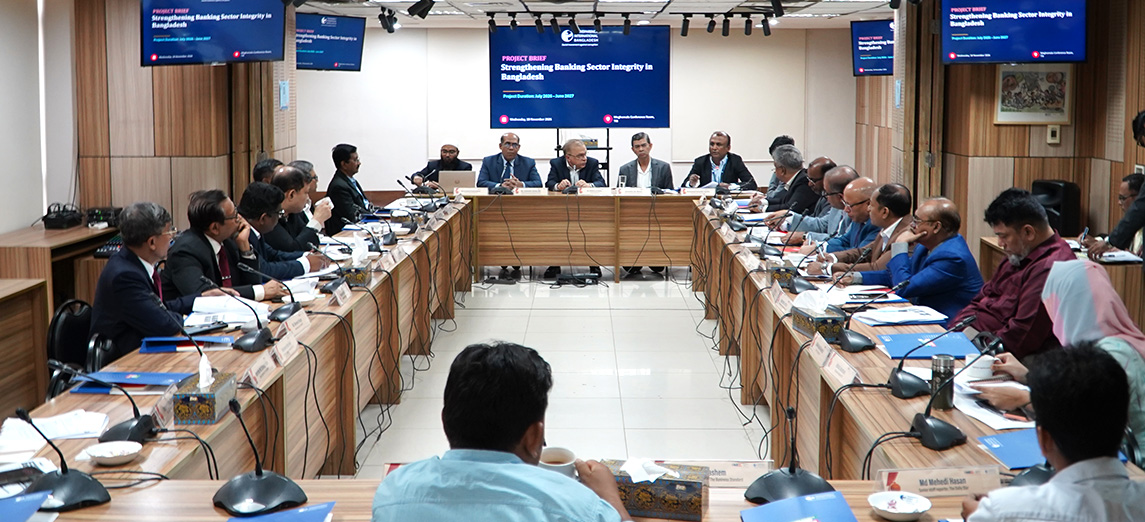
The inception meeting brought together senior officials from Bangladesh Bank, the Bangladesh Financial Intelligence Unit and the Ministry of Finance; bank directors, chairpersons, CEOs and legal officers; journalists covering the banking sector; representatives of research organisations; and university professors.
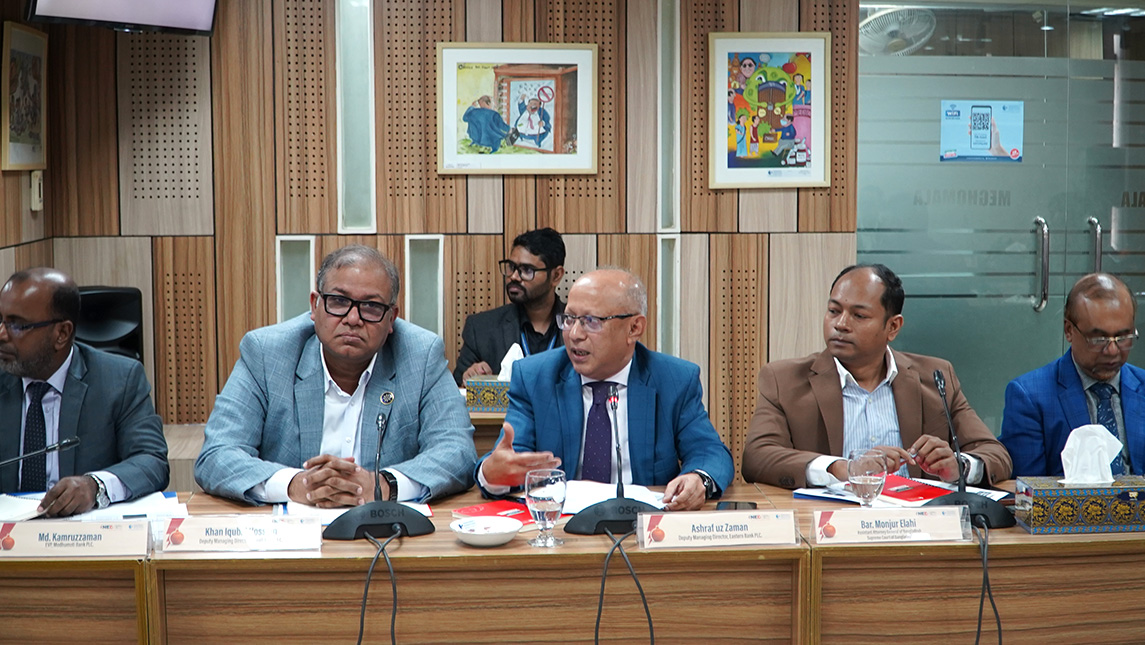
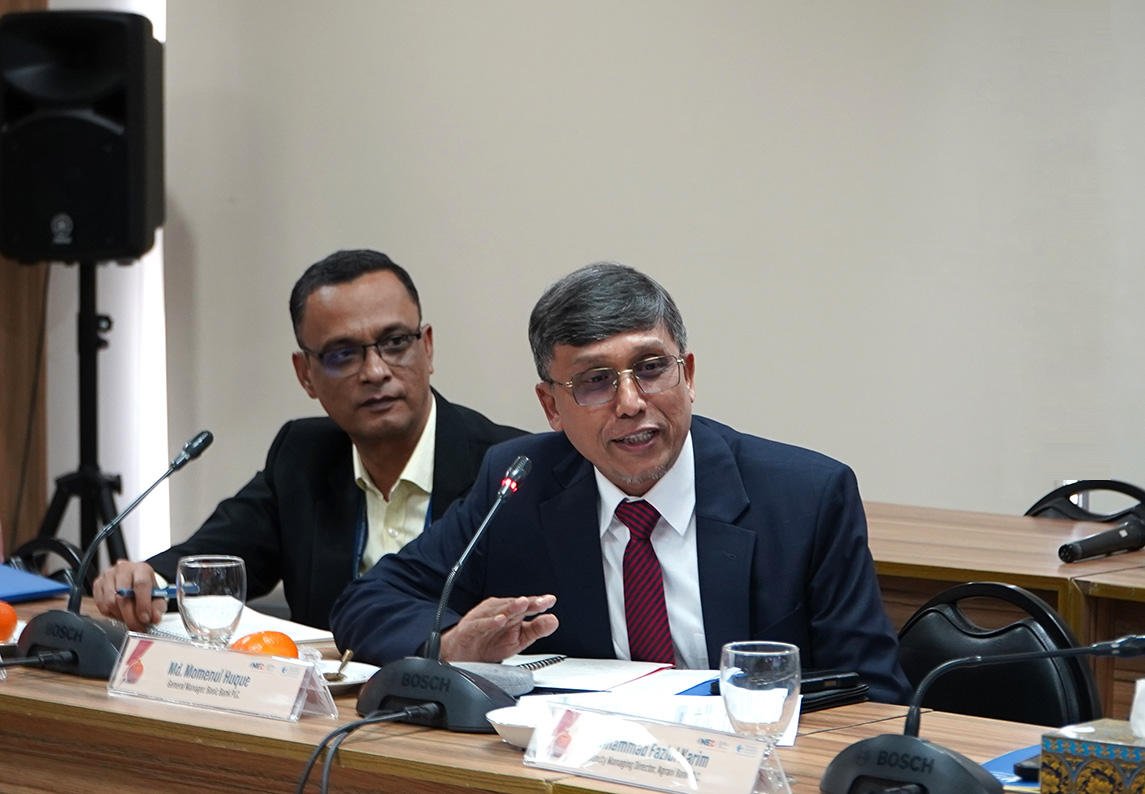
Stakeholders discussed persistent governance challenges, including political interference, regulatory failures, lack of accountability, high levels of non-performing loans and obstacles to loan recovery. They also underscored the need to strengthen Bangladesh Bank's independence, protect depositors' interests, improve anti-money laundering measures, promote digital financial transactions and ensure effective enforcement of existing laws.
Accountability, regulatory reforms and the need to end political interference
The stakeholders' concerns are also reflected in The White Paper on the State of the Bangladesh Economy (2024). It estimated distressed assets at BDT 6.75 lakh crore (31.7% of total bank loans) by June 2024, and illicit outflows of US$234 billion during 2009–2023. As of June 2026, classified loans stood at 32.78% of total outstanding loans. By 25 March 2026, authorities had frozen assets worth Tk 70,446 crore and filed 141 cases to recover laundered funds.
These figures underscore the urgency of strengthening regulatory independence, oversight, anti-money laundering enforcement and loan recovery to ensure a sound banking sector in Bangladesh.
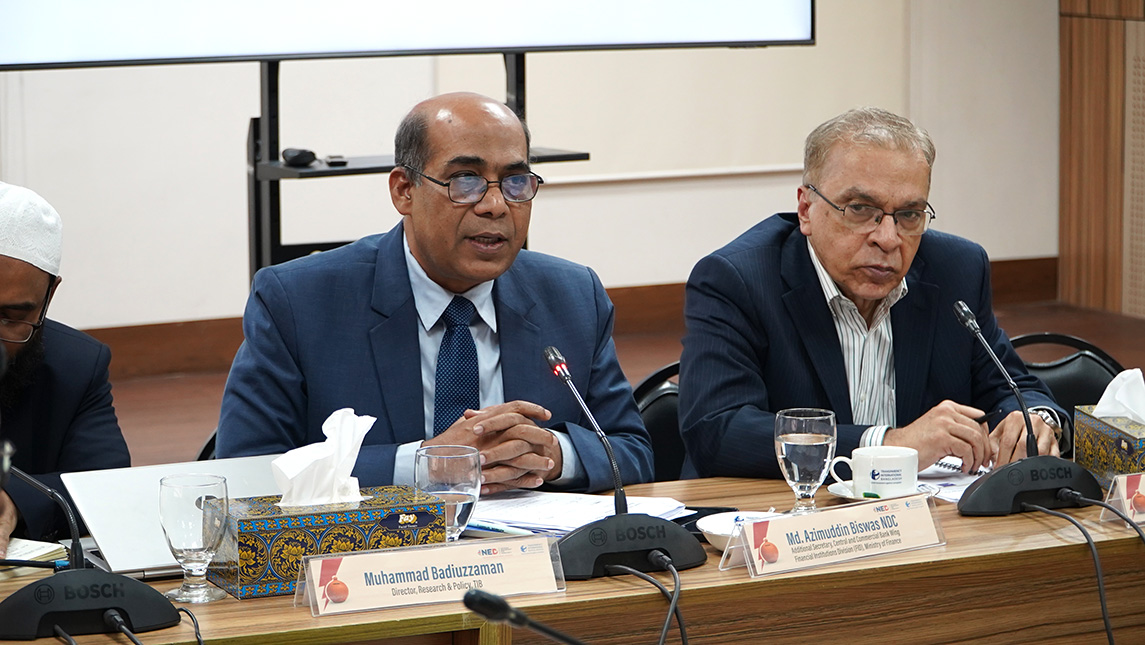
Expressing his concerns, strong Md Azimuddin Biswas NDC, Additional Secretary of the Financial Institutions Division (FID), stressed the need to identify irregularities in the banking sector through objective evidence rather than individual perceptions. He called for accountability at the decision-making level, arguing that those who approve decisions should be held responsible, rather than placing the burden mainly on the officials who make recommendations.
He also emphasised the need to distinguish between loan defaults caused by genuine business distress and those involving the diversion of funds, as each requires a different response. Stressing the importance of protecting depositors' interests, he called for action to address the mismatch between short-term deposits and long-term lending. He also urged stronger institutional capacity and the creation of an environment where officials can perform their duties independently and without fear.
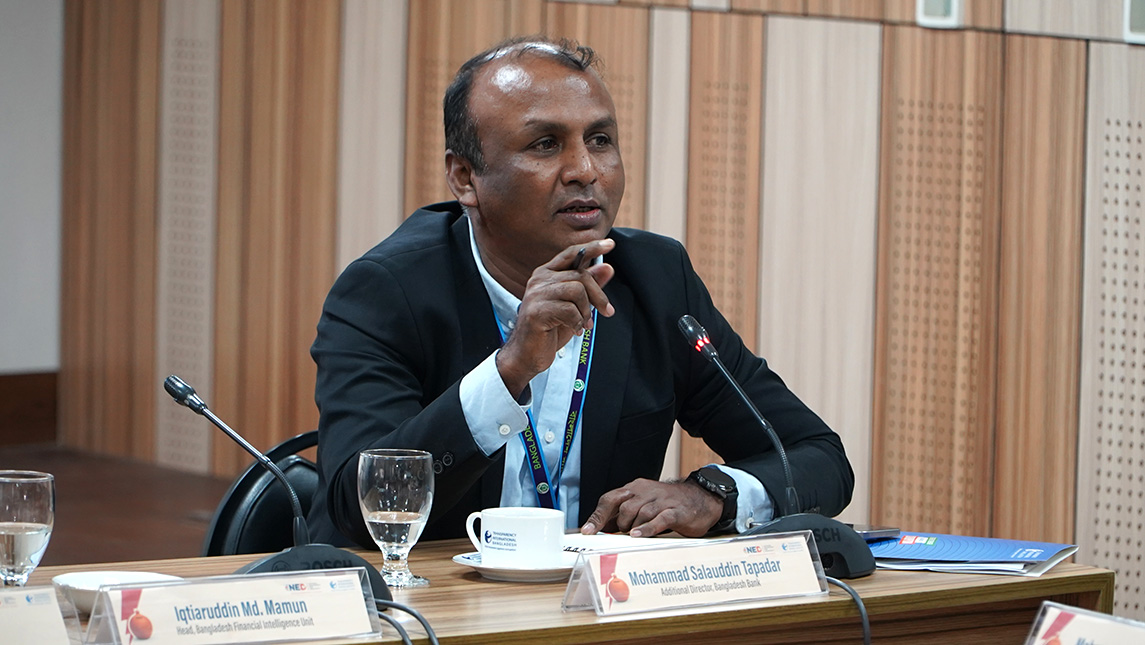
Highlighting Bangladesh Bank's initiatives, Mohammad Salahuddin Tapadar, Additional Director of Bangladesh Bank, discussed ongoing policy initiatives to strengthen governance in the banking sector. He said stakeholder consultations had informed the formulation of recent financial support measures and banking policies. He also discussed proposed changes to the representation of independent directors on bank boards and amendments to the Bangladesh Bank Order aimed at strengthening the central bank's autonomy and governance structure. He further shared that Bangladesh Bank was working on a Loan-to-Equity Conversion Framework to help banks address large defaulted loans and recover their exposure.
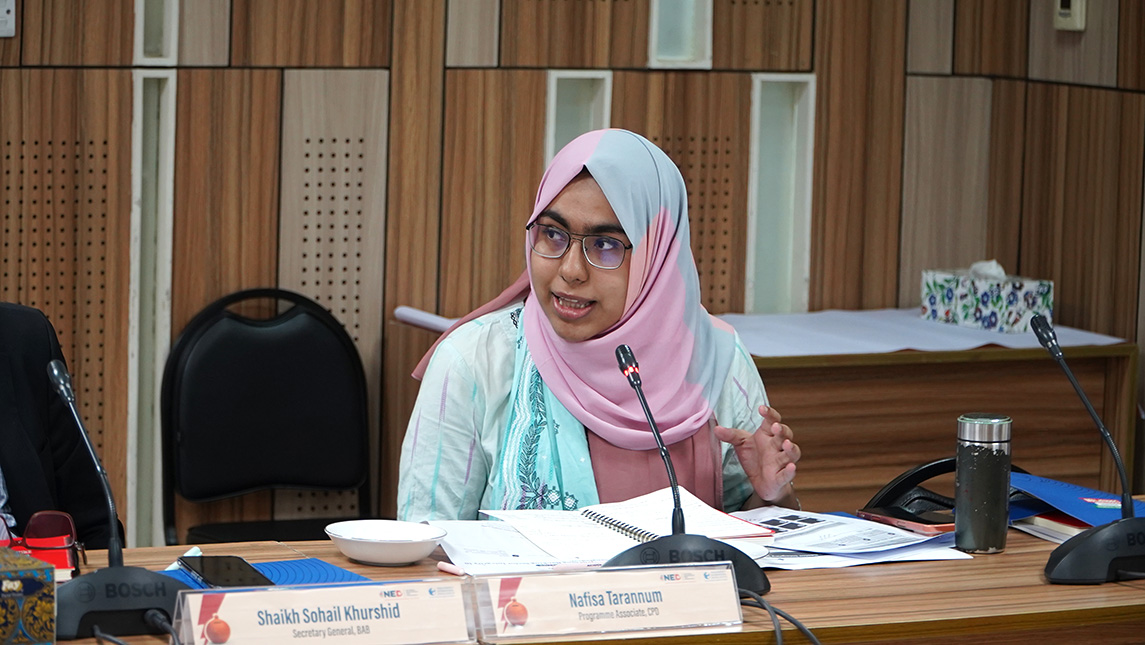
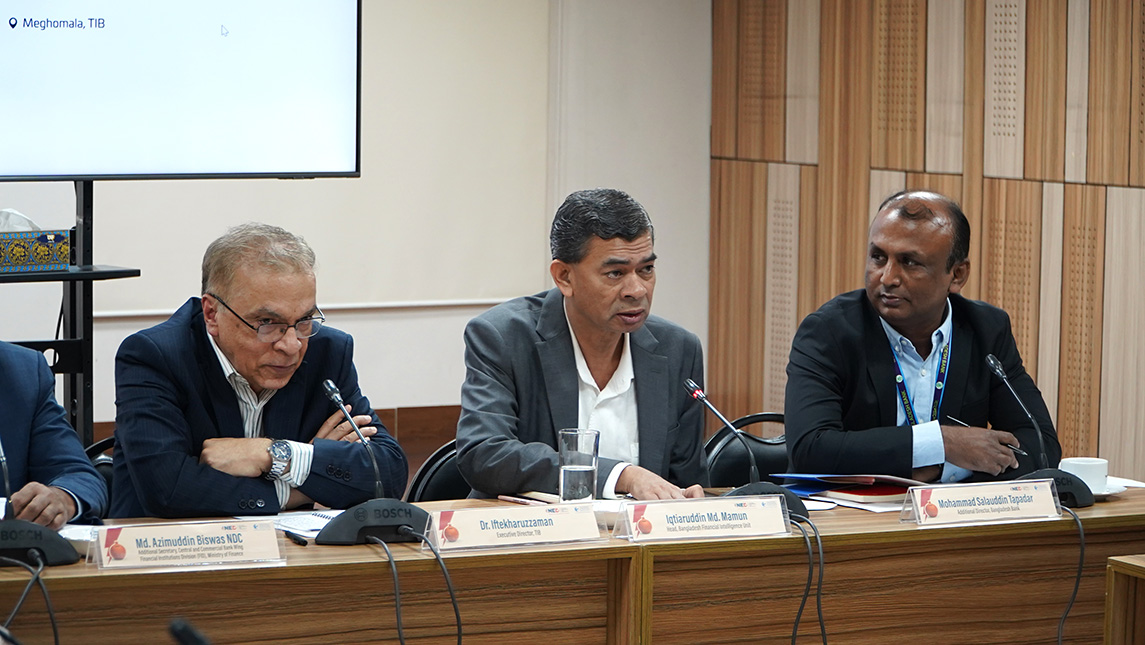
The importance of public trust and the adoption of technology-based solutions in the banking sector also came up during the meeting. Iqtiaruddin Mohammad Masum, Head of the Bangladesh Financial Intelligence Unit (BFIU), emphasised that public trust is fundamental to the banking system. He called for reducing cash-based transactions through digital payment systems, including Bangla QR, to help curb bribery, corruption and money laundering.
He also stressed that efforts to address non-performing loans should examine borrowers' integrity and whether loan funds have been diverted. Highlighting the importance of early warning mechanisms and whistleblower protection, he called for stronger coordination among intelligence and law enforcement agencies to combat financial crimes.
Political interference in the banking sector also took centre stage during the discussion. Almost all participants pointed to political interference as a major factor contributing to governance failures in the banking sector.
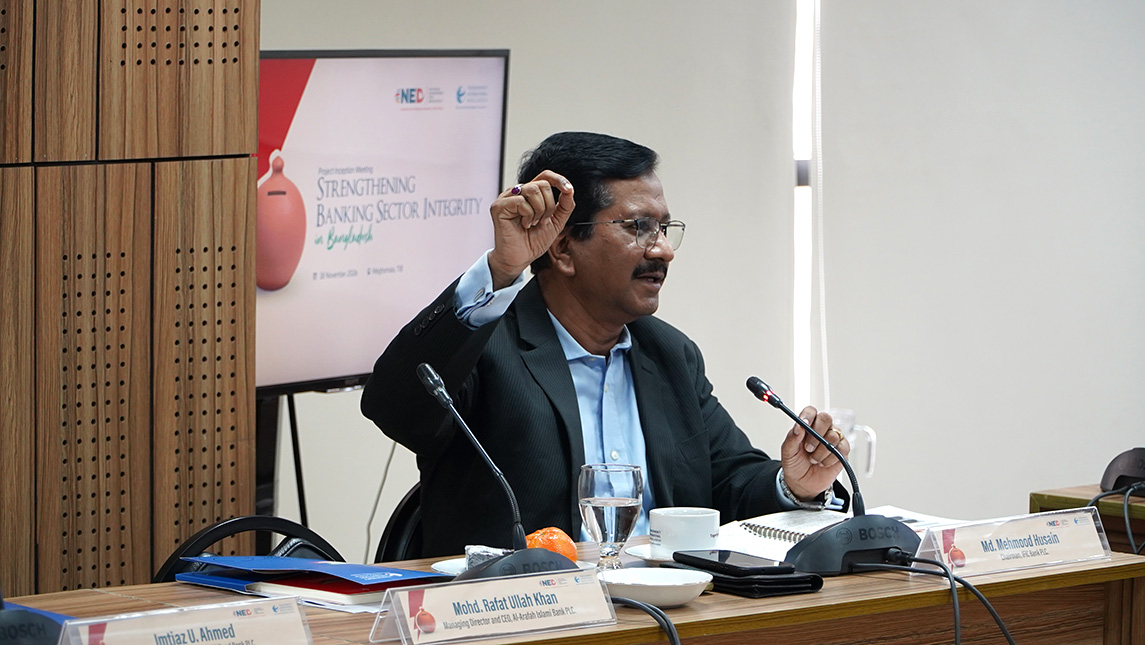
In this regard, Md Mahmud Hossain, Independent Director and Chairman of IFIC Bank PLC and a former senior banker, highlighted the consequences of political interference and governance failures in the banking sector. Sharing his experience of leading a bank through financial distress, he stressed that restoring depositor confidence, strengthening internal accountability and understanding the nature of problem loans are essential to rebuilding a bank's financial health. He also called for greater autonomy for Bangladesh Bank and for banks to be protected from political pressure.
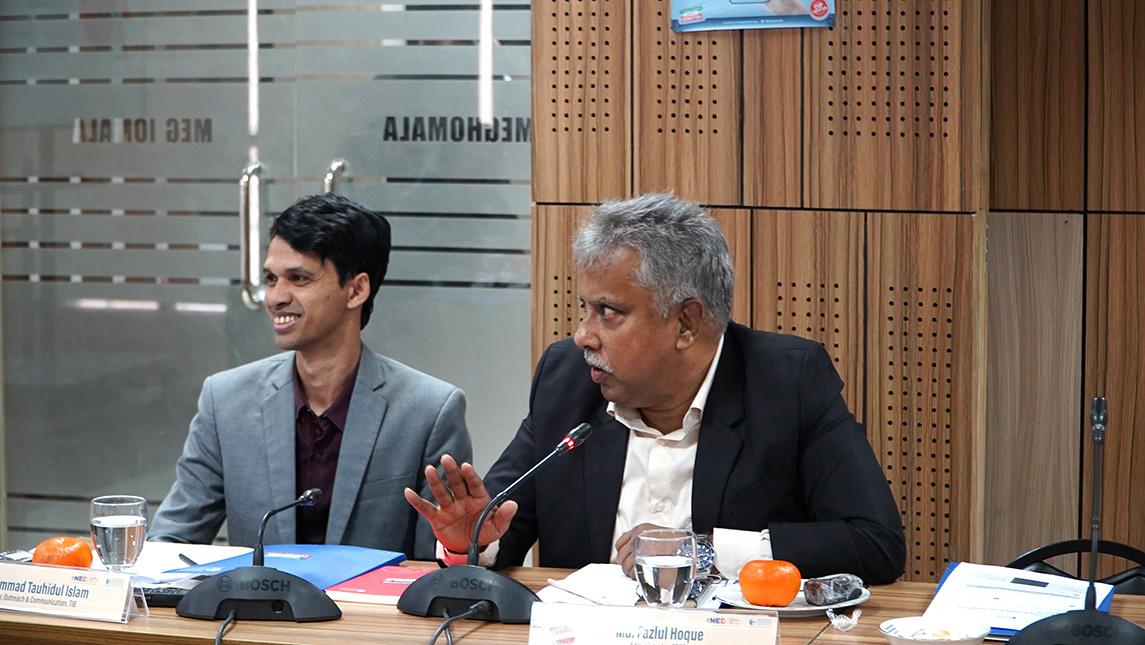
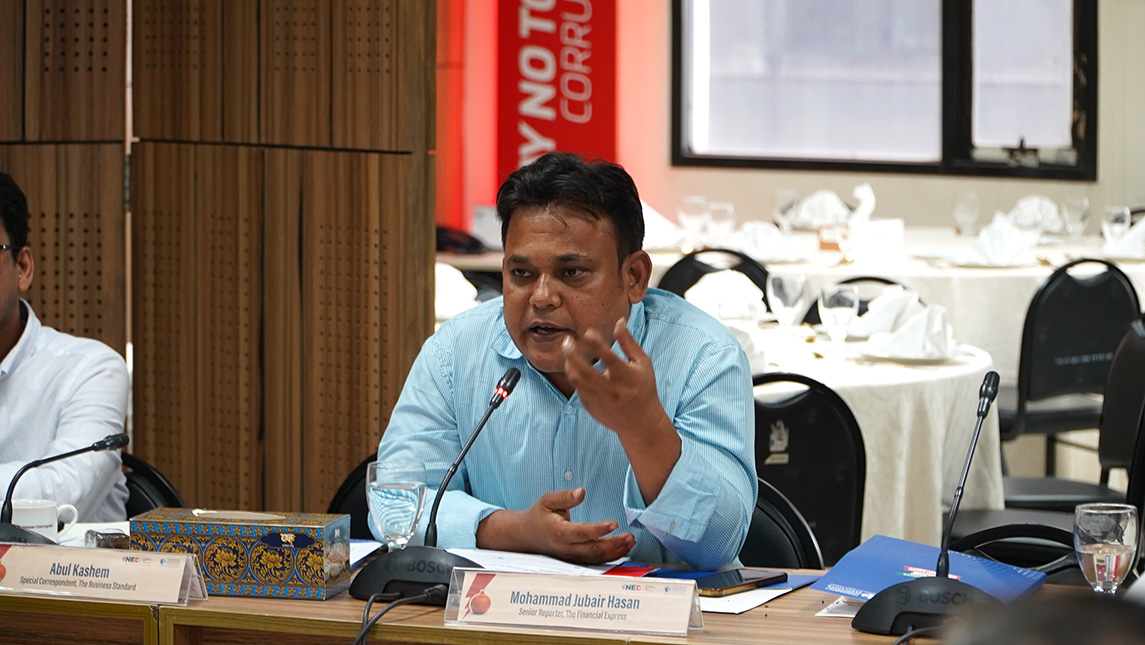
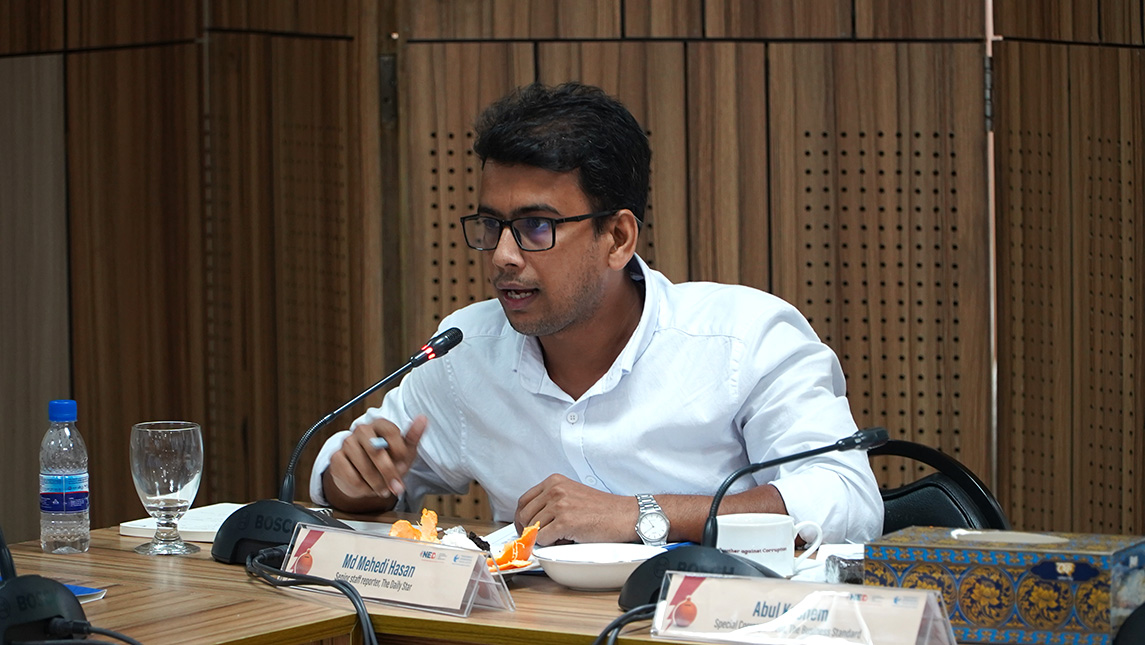
Echoing similar concerns, The Daily Star reporter Mehedi Hasan highlighted political interference, regulatory failures and the influence of powerful business interests in the banking sector. Drawing on his experience of covering banking irregularities, he said existing laws and regulatory mechanisms must be effectively enforced to ensure accountability and prevent past abuses from recurring.
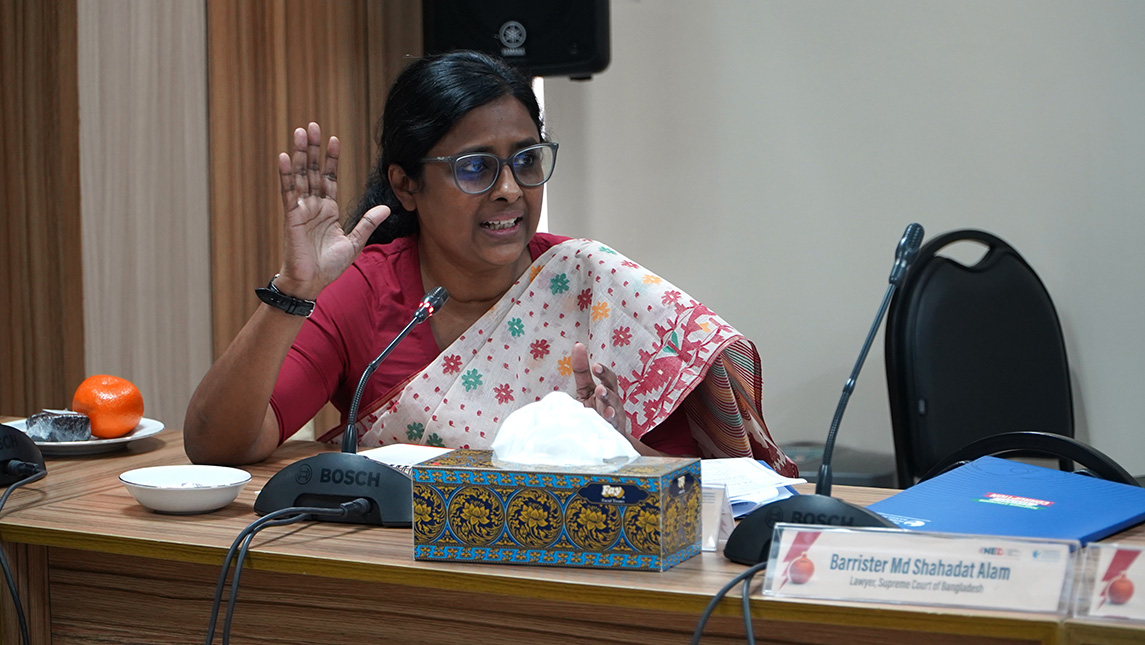
Legal and institutional obstacles to recovering defaulted loans also emerged as a major concern during the discussion. Legal experts in the banking sector expressed concerns in this regard. Ummay Habiba Sharmin, Chief Legal Officer of City Bank PLC, highlighted the legal and institutional obstacles to recovering defaulted loans. She pointed to lengthy court proceedings, difficulties in enforcing recovery measures and limitations in tracking suspicious transactions across banking channels. She called for a stronger loan recovery ecosystem, modernised financial monitoring and better coordination among the relevant institutions.
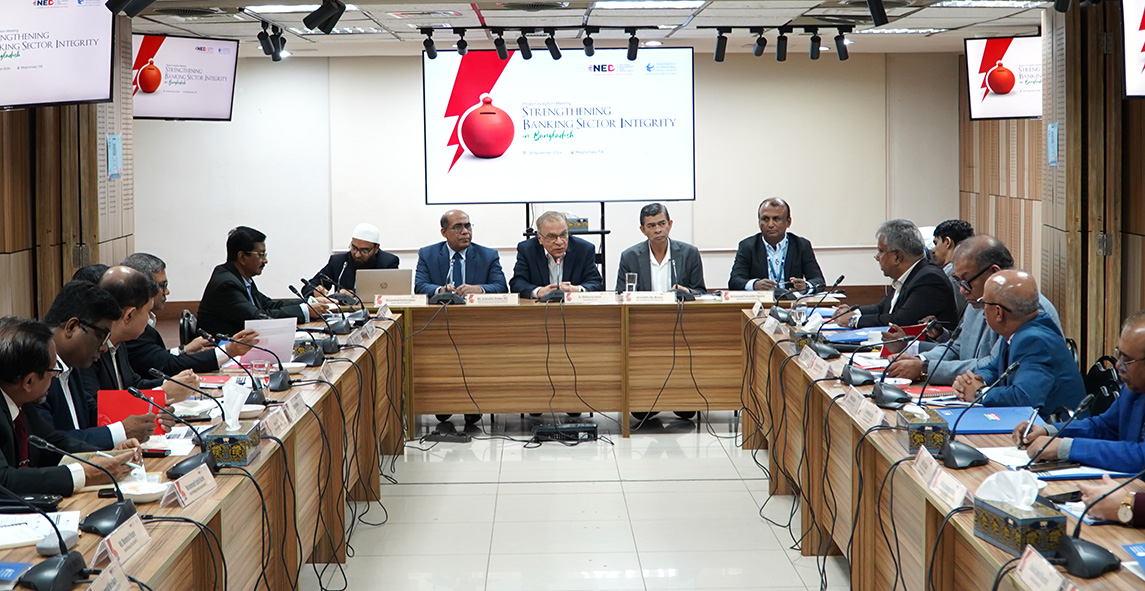
In his concluding remarks, TIB Executive Director Dr Iftekharuzzaman thanked the participants for their contributions and said their observations and recommendations would inform the research and the policy proposals that follow. He emphasised that involving stakeholders from the outset would help establish ownership of the research and its recommendations. He also assured participants that the findings and proposed policy measures would be discussed with stakeholders before being finalised.
The discussions highlighted that addressing the banking sector's persistent governance challenges requires more than policy changes; it demands stronger institutional accountability, regulatory independence and effective enforcement of existing laws. As TIB moves forward with the research, the insights and recommendations shared by stakeholders will help identify key integrity gaps and formulate evidence-based policy measures to strengthen transparency, accountability and public trust in Bangladesh's banking sector.