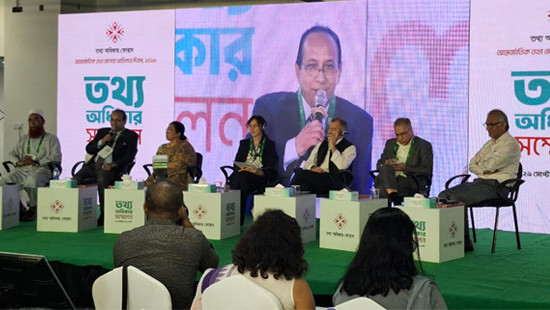

প্রকাশকাল: ২৯ অক্টোবর ২০২৬
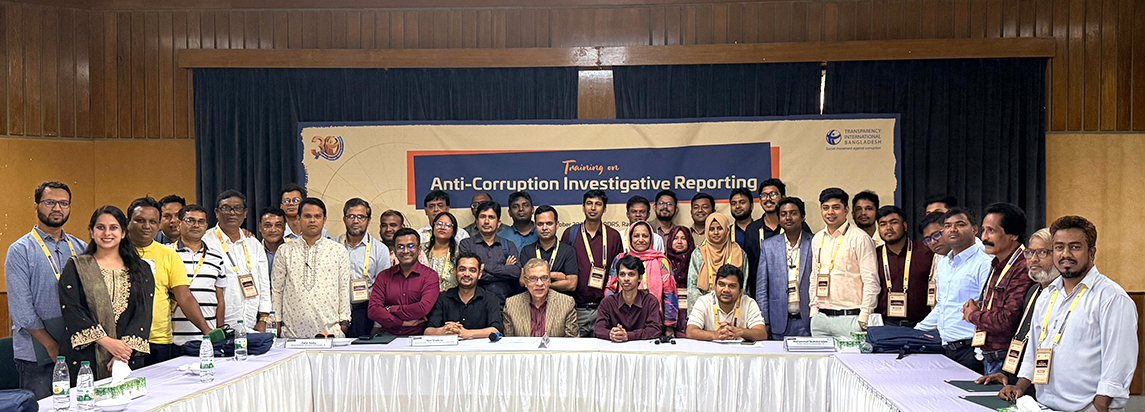
For a journalist at a district level, one difficult question about a local project can bring a phone call from someone powerful, a warning from a local leader, or a story that never makes it to print. Many reporters in Rangpur division work under this kind of pressure, often without legal protection. Transparency International Bangladesh (TIB) set out to train around forty journalists, from television, newspapers, and local media, dig deeper while staying safer, equipping them with the information, techniques, and tools to build stories that rest on evidence.
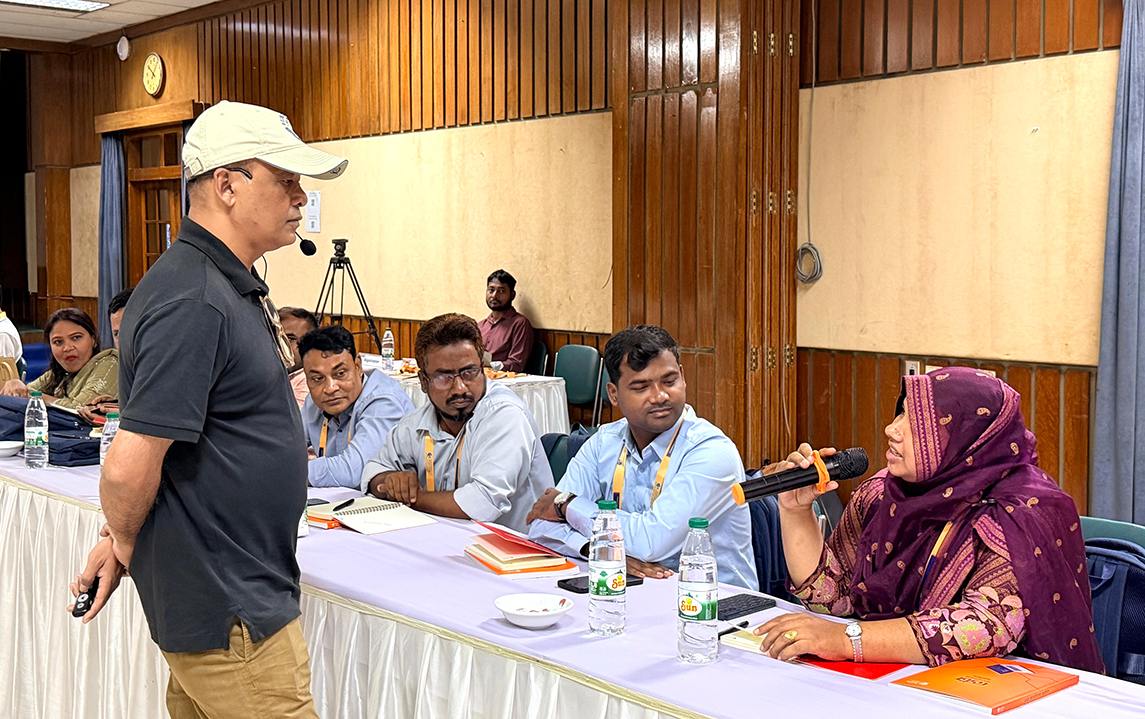
In the RDRS conference room in Rangpur on October 24, 2026, investigative journalist Mohd. Badruddoza opened with a case study built on a familiar story that a government food godown burns down, the authorities report 5,000 metric tons of grain lost in the fire, and local outlets quote officials expressing regret. Then he added two details. The fire had broken out just two days before a major audit, and local residents had seen heavy vehicles quietly leaving the facility at night over several months. The clues pointed to grain stolen long before the fire. But suspicion is not proof, and stock records indicate what should be inside a warehouse rather than what is actually there. How would the journalists prove the rice was not there?
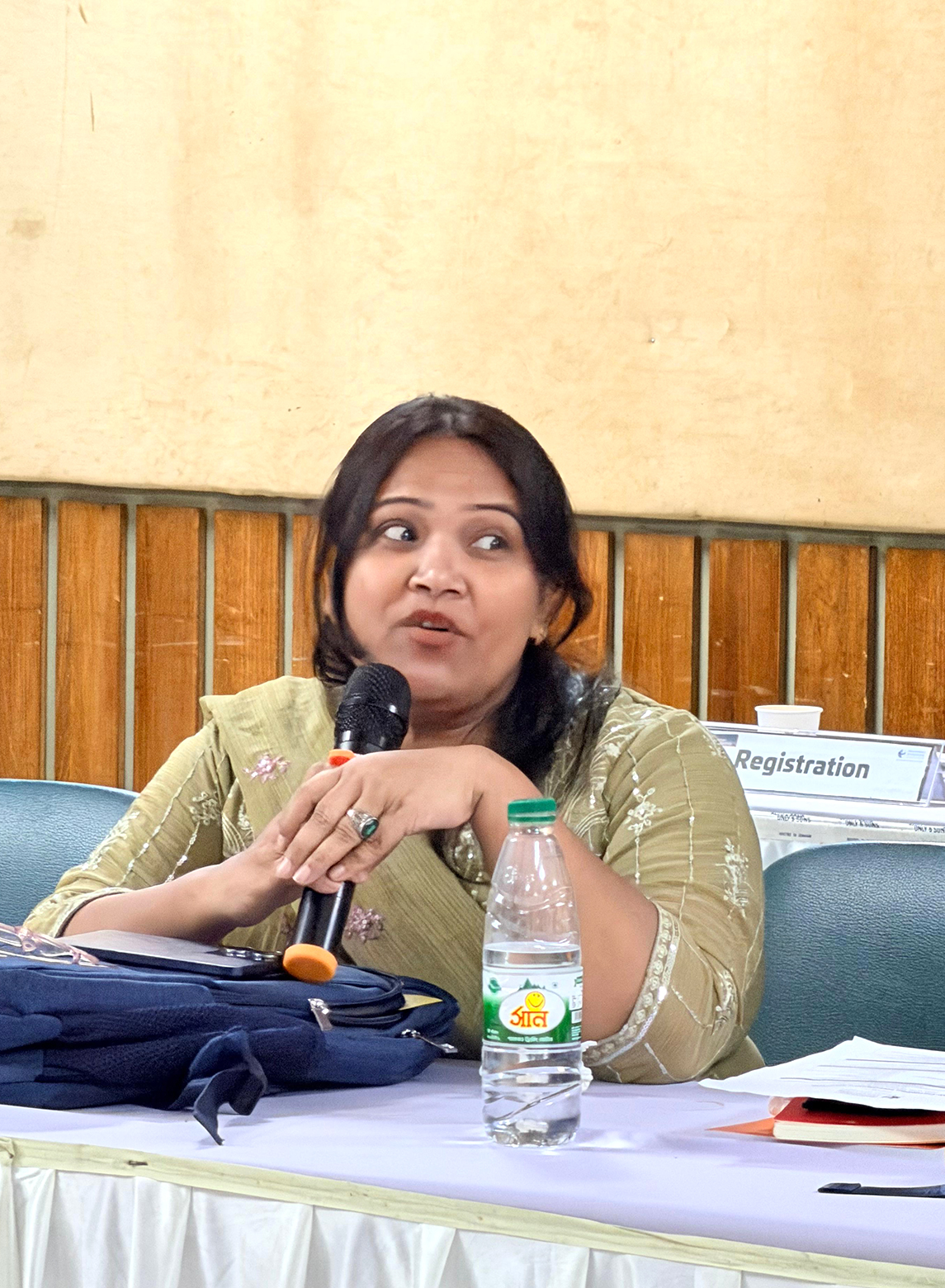
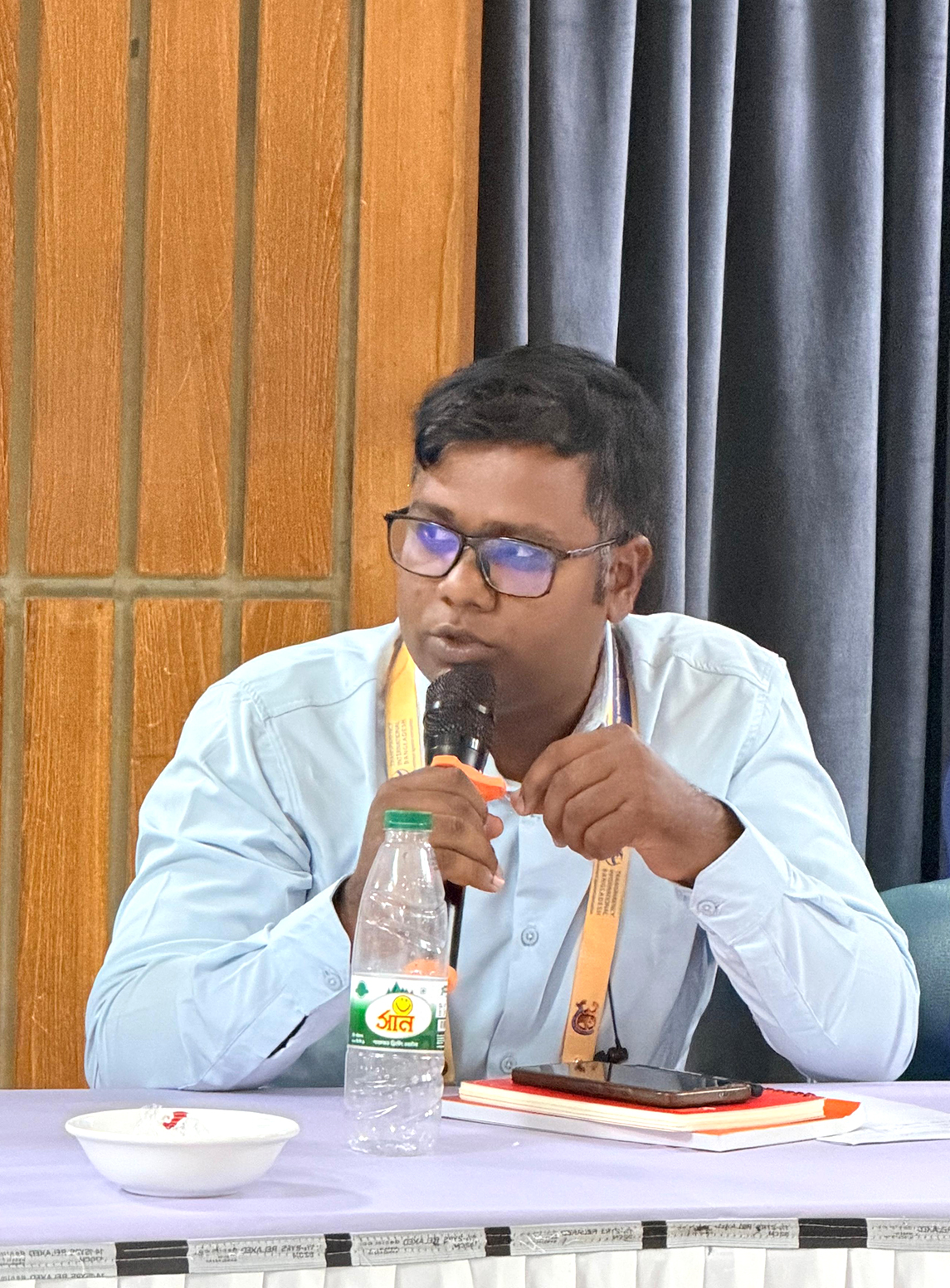
The case study soon became a practical exercise. He gave the journalists ten minutes, a notebook, and one rule: no one stays silent. They debated whether government-marked sacks in a nearby market were real evidence or coincidence, discussed how CCTV footage could track midnight truck movements, and weighed accounts from night guards and loaders against official denials. When someone asked whether a godown director would ever admit to it, the room agreed that witness accounts would have to be backed by documents. As Babu put it, an investigation goes beyond simply showing irregularities. It explores the reasons behind the system’s failure and why those responsible for monitoring it did not notice the issues. By the end of the exercise, participants had mapped out concrete steps to verify stock registers, cross-verify transport passes, analyze CCTV footage, and track local supply chains to build a case that would hold up.
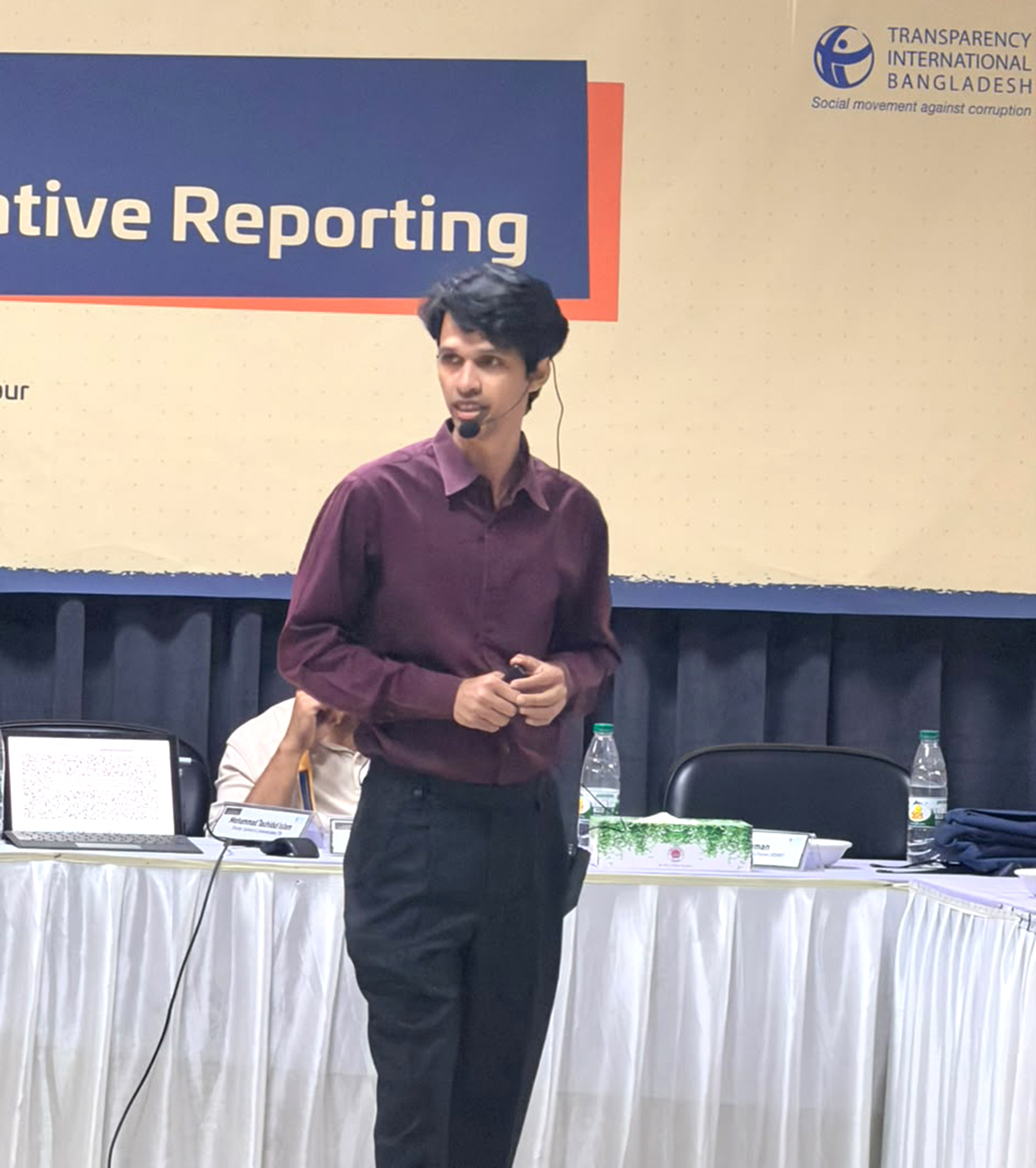
The sessions then moved from physical inspection to data analysis and to why data has become so useful for public watchdogs. Mohammad Tauhidul Islam, Director, Outreach & Communication, TIB, explained how working with digital records lets reporters examine institutions without relying only on risky field inquiries. Projecting a visualization of local government projects across districts, he showed how numbers reveal patterns that a single document or official statement can hide.
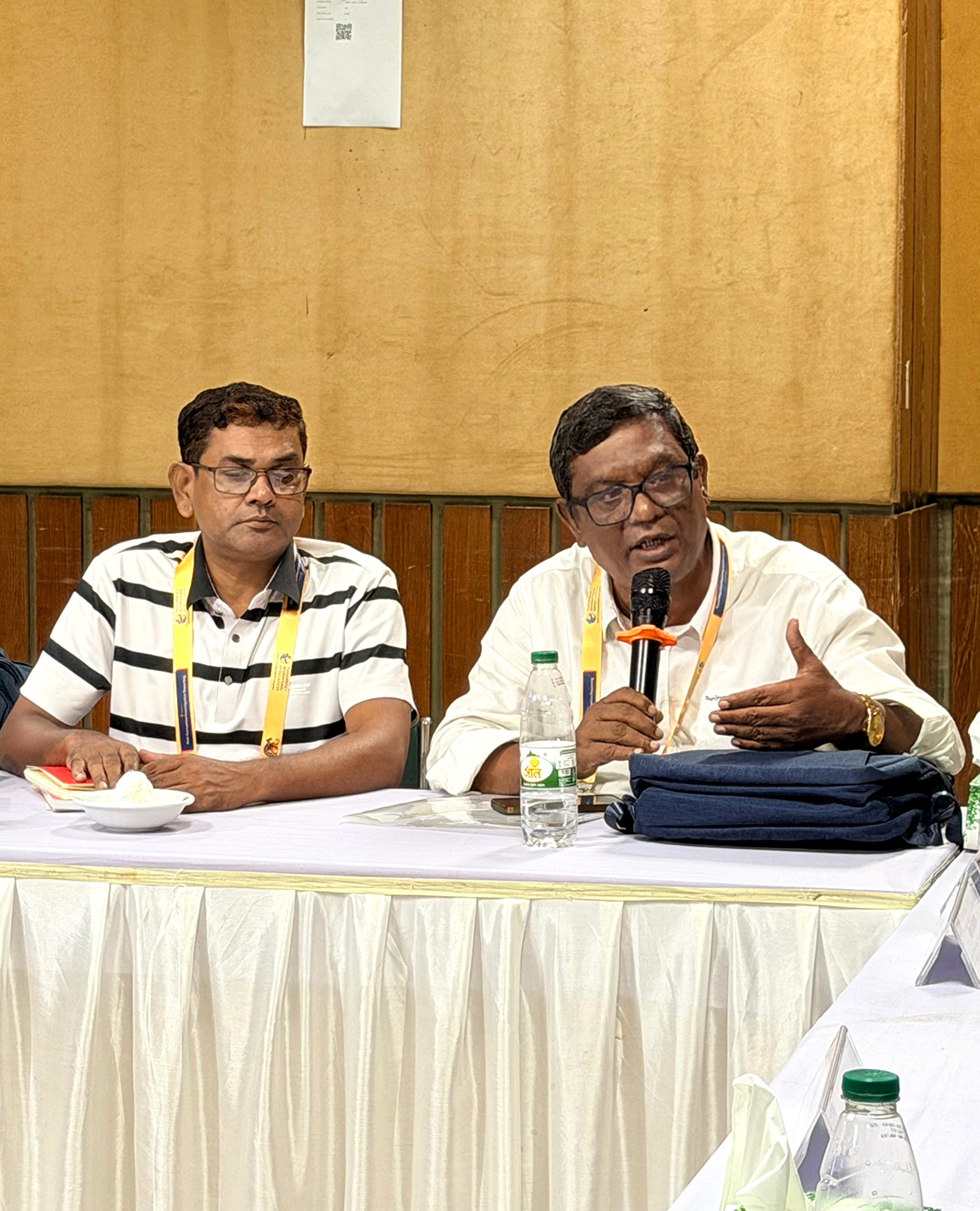
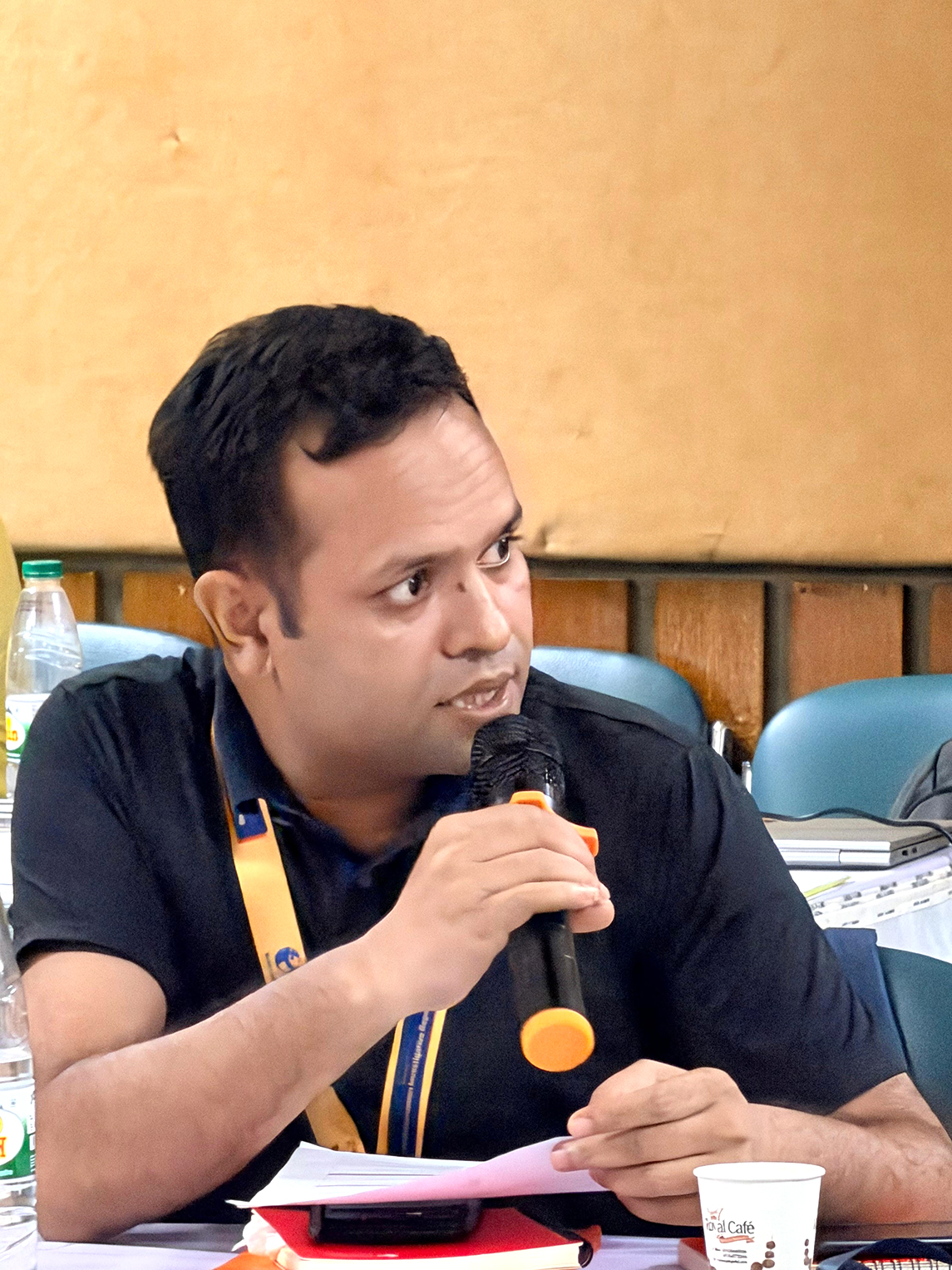
Expanding on data-driven storytelling, he walked participants through public procurement records and the electronic Government Procurement (e-GP) system, the online platform where public tenders and government purchases are published. He explained how procurement corruption often operates in plain sight, such as when large development projects are split into smaller packages to avoid open competition and stay under spending thresholds. By learning to extract and analyze these datasets from a desk, reporters can examine public spending closely.
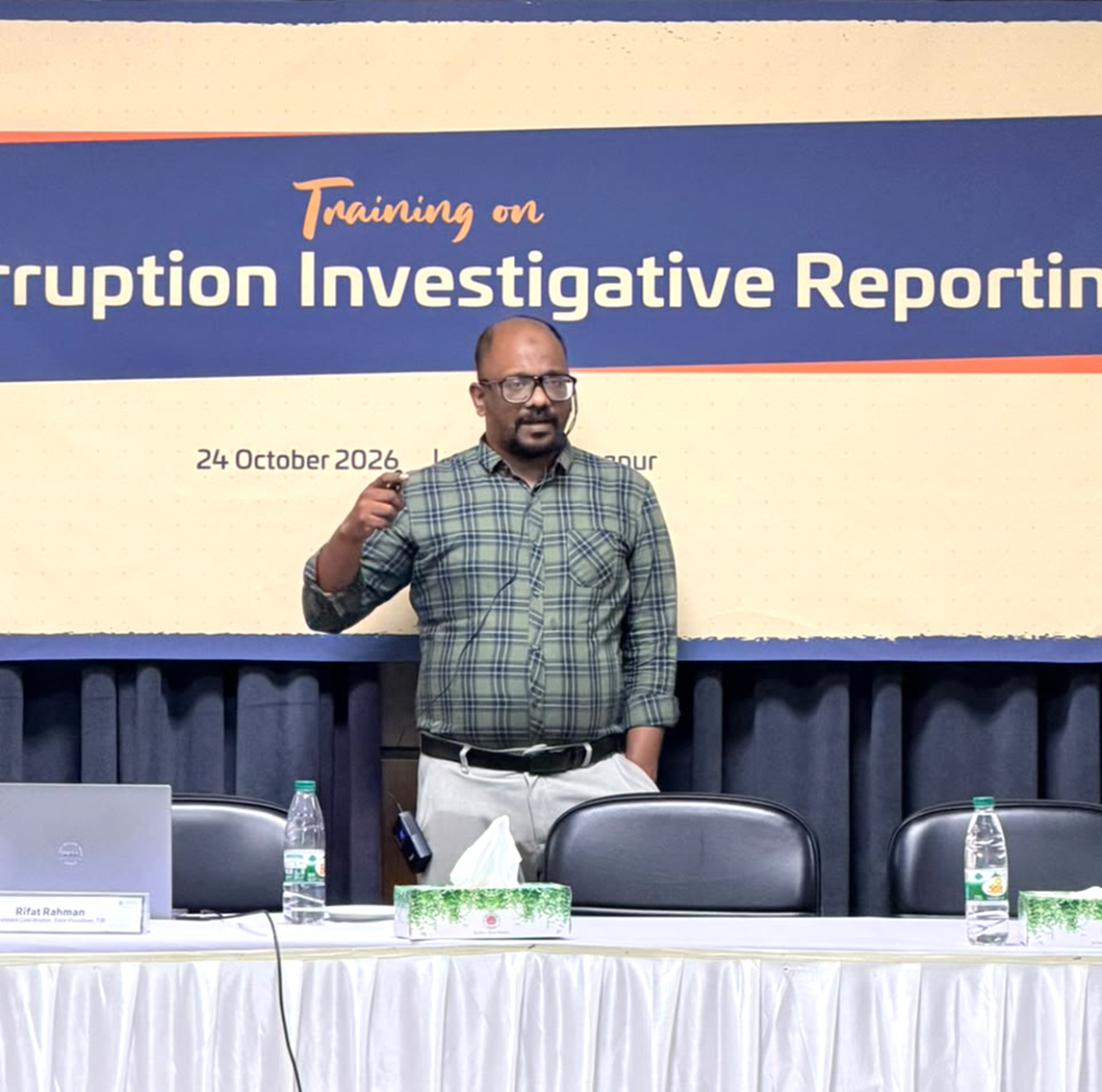
Rifat Rahman, Assistant Coordinator, TIB, then took participants through practical data tools, dashboards, and visualization methods that turn complex figures into clear patterns. These sessions showed how desk-based research helps journalists reduce the risks of field reporting and build their stories on verifiable facts.
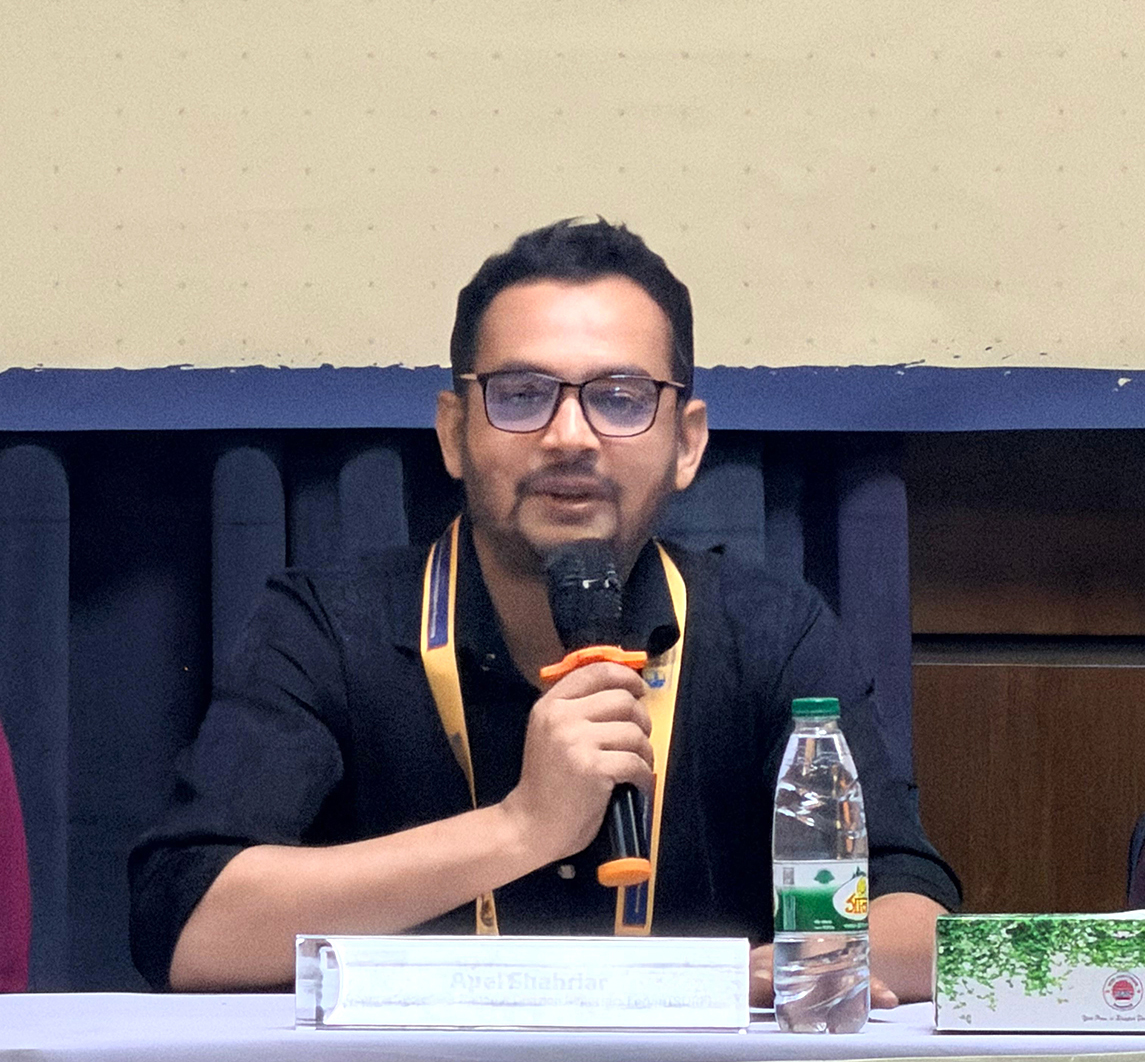
The discussion also turned to the pressures these reporters live with, from local political pressure to concerns over personal safety and the lack of legal protection. Addressing these concerns, TIB Executive Director Dr. Iftekharuzzaman emphasized that professional standards and accuracy remain a reporter’s primary safeguard. Speaking about institutional political influence, media ownership accountability, and the need for an independent media commission, he reaffirmed that TIB would stand with journalists facing professional risks for carrying out their duties.
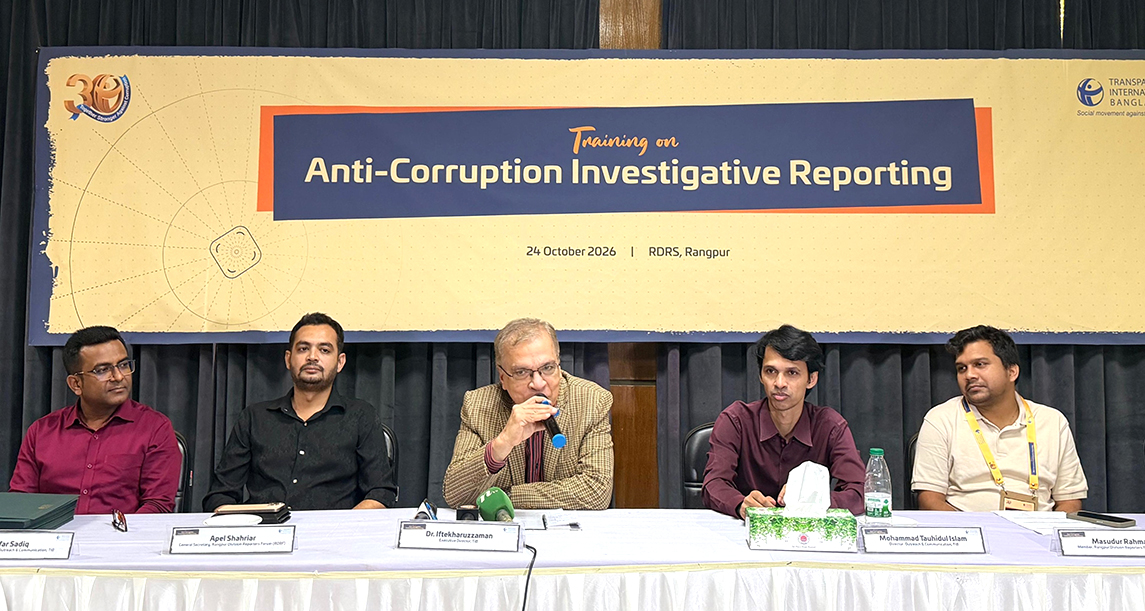
The one-day training closed with Dr. Iftekharuzzaman handing certificates to the journalists. The certificates recognized what they had worked through together: hands-on exercises, data sessions, and open discussion about the realities of reporting from the districts. The real test, however, lies in the stories they will file in the months ahead.
The journalists returned to their newsrooms with new information, techniques, and tools. Rather than relying only on what authorities say happened, they are now better prepared to ask how and why decisions are made and to follow a story through. A story built on documents and data is harder to deny and harder to bury. For reporters who live close to the people they write about, that may be their strongest protection.