Published: 23 May 2026
Giant abandoned ships arrive one after another along the coast of Chattogram to undergo dismantling. Inside those aging vessels are not only steel and machinery but also thousands of hazardous electronic components, including old refrigerators, cables, lighting systems, batteries, control panels, and toxic materials accumulated over decades. Once dismantled, much of this waste eventually flows into Bangladesh’s vast informal recycling chain, where workers often handle dangerous materials with bare hands and almost no safety protection.
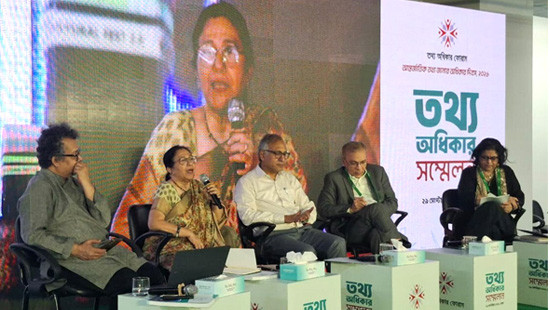
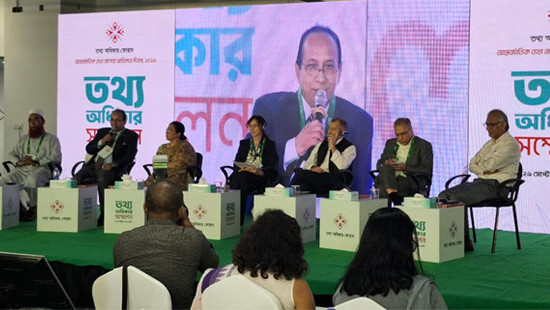
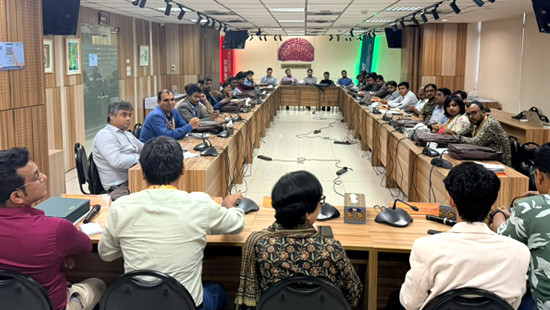
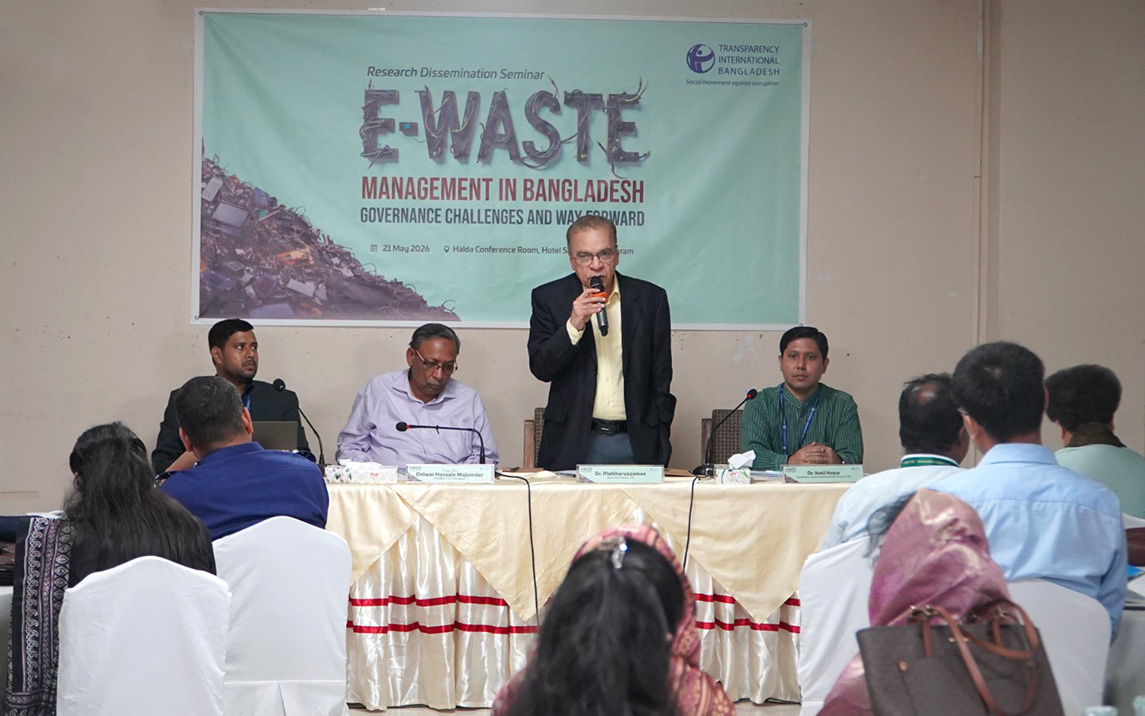
In a city where shipbreaking remains deeply tied to both the economy and the environment, the issue of electronic waste management naturally became central to discussions at a stakeholder seminar organized around Bangladesh’s growing e-waste crisis. Electronic waste (e-waste) management in Bangladesh currently suffers from severe policy weaknesses and near-total governance anarchy, according to Transparency International Bangladesh (TIB). This concern was raised during a stakeholder seminar held today in Chattogram on 21st May, 2026. The seminar, moderated by TIB’s Environment and Climate Finance Division Coordinator Dr. Nabil Huq, included an open discussion and question-answer session on the study’s findings and recommendations. The discussion highlighted that electronic waste from discarded devices is increasing rapidly across Bangladesh, while proper management continues to suffer from weak policies and poor governance.
Abdullah Zahid Osmani, Research Associate of the Environment and Climate Finance Division of TIB, presented the key findings and recommendations of the recently published study titled "E-Waste Management in Bangladesh: Challenges to Good Governance and the Way Forward." According to the study report, only three percent of Bangladesh’s electronic waste is currently recycled through formal and secure systems. The informal sector, using unsafe methods that harm both workers and the environment, handles the remaining 97 percent.
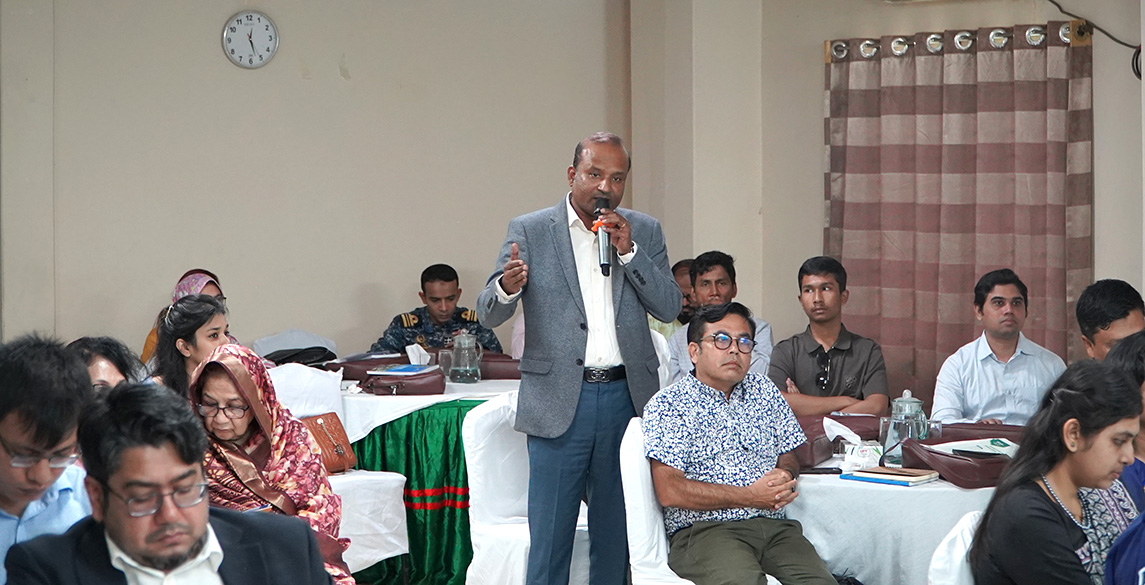
Reflecting on the industrial side of this growing crisis, Liton Majumder from PHP Ship Breaking and Recycling Industries explained that shipbreaking yards operating under the Hong Kong Convention now follow strict compliance systems for handling hazardous materials safely. However, he stressed that proper implementation of Extended Producer Responsibility (EPR) remains missing. According to him, many hazardous materials eventually end up with informal vendors who often lack the technical expertise or safety knowledge needed to process them properly. Training the entire supply chain, he said, has now become essential.
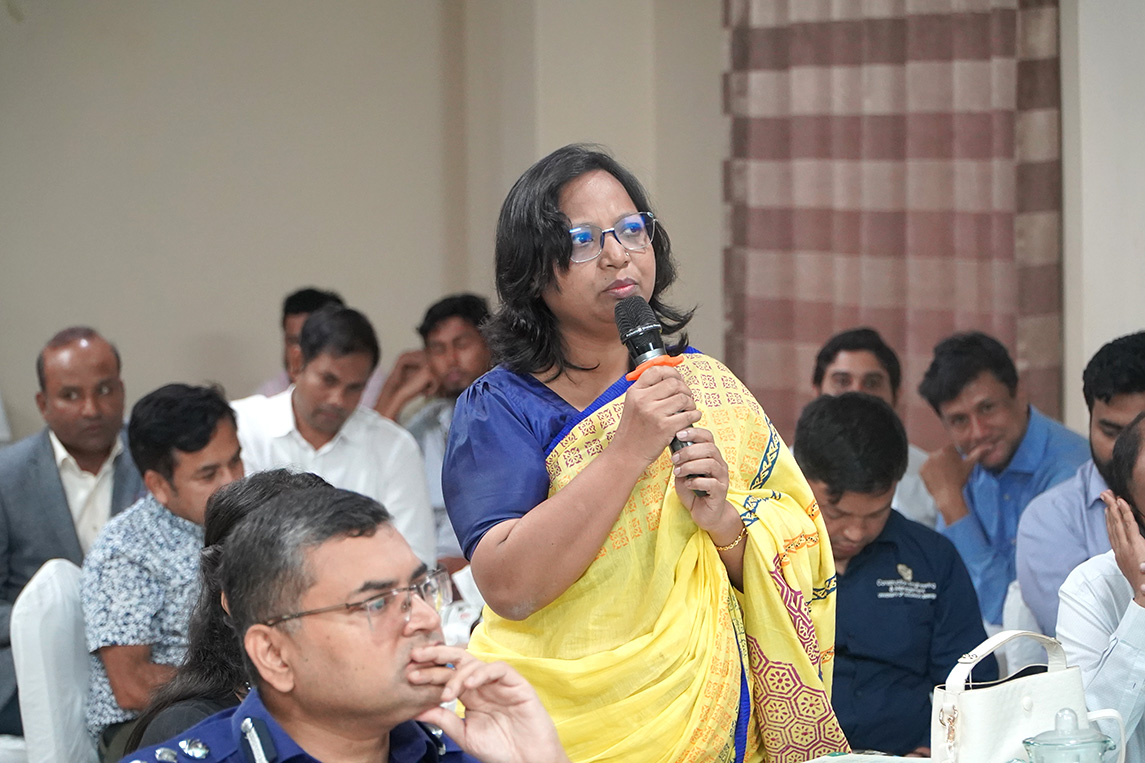
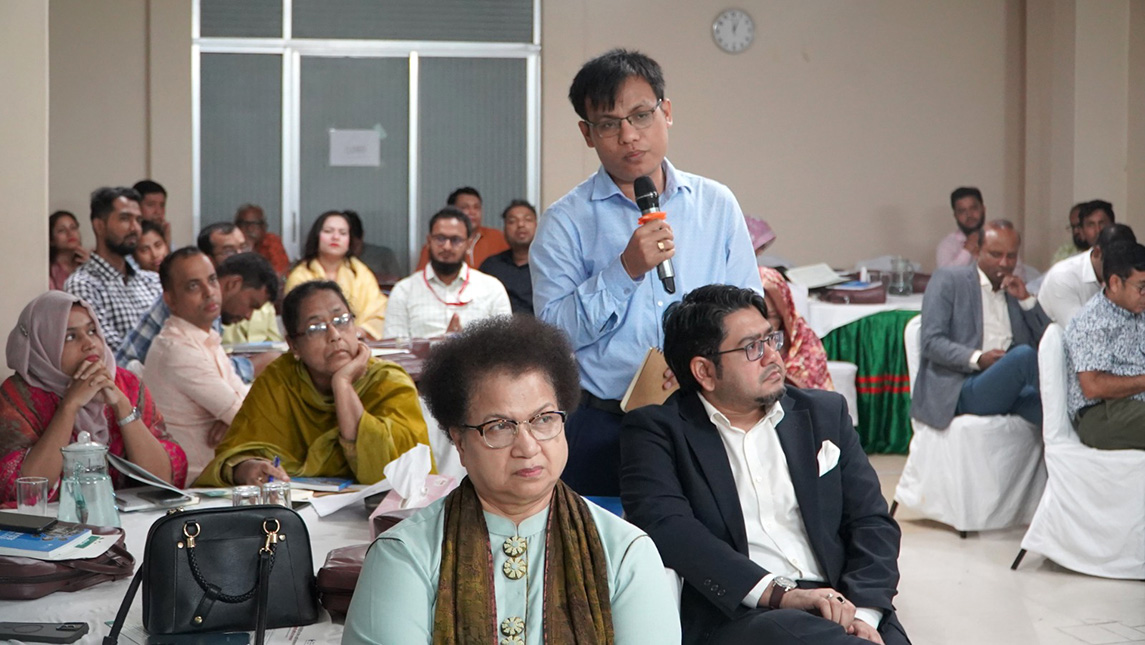
The discussion also highlighted the lack of proper disposal infrastructure in the country. Another industry representative, Mohammad Alimuddin from KSRM Group, highlighted a long-standing institutional failure. Discussions around establishing a central Treatment, Storage, and Disposal Facility (TSDF) under the Ministry of Industries have continued for nearly fifteen years, yet very little progress has taken place. Industries have no choice but to store hazardous waste on their premises for years without such a facility.
But while industries struggle with infrastructure gaps and policy failures, the heaviest burden often falls on workers at the bottom of the system. Scrap collectors and informal waste workers continue dismantling toxic electronic products with bare hands, exposing themselves daily to dangerous chemicals and long-term health risks. Mohammad Abdus Sabbir Bhuiyan from the Department of Labor said these workers remain among the most vulnerable groups within the e-waste chain. He suggested bringing e-waste workers under existing welfare committees for informal waste workers and updating occupational disease lists to include illnesses linked to electronic waste exposure.
The governance gap surrounding e-waste management is also visible inside public institutions. Anti-Corruption Commission (ACC) Assistant Director Aongti Chowdhury described how old computers, laptops, air conditioners, and other electronic devices continue piling up inside government offices because there are still no clear administrative directives on how such waste should be disposed of. Many institutions end up storing obsolete electronics indefinitely because they cannot simply discard public assets without lengthy procedures. He recalled seeing entire rooms filled with old electronic waste after joining his office. Even gathering accurate data about the scale of the problem has become difficult. Shakila Jannat from the Chattogram Divisional Statistics Office shared her experience while conducting an environmental and waste survey for the Bangladesh Bureau of Statistics. During visits to institutions, many authorities refused to provide information about damaged or unused electronic equipment. Some questioned why they should disclose records of their assets at all. According to her, more than 60 percent of surveyed institutions openly admitted they do not have environmental clearance.
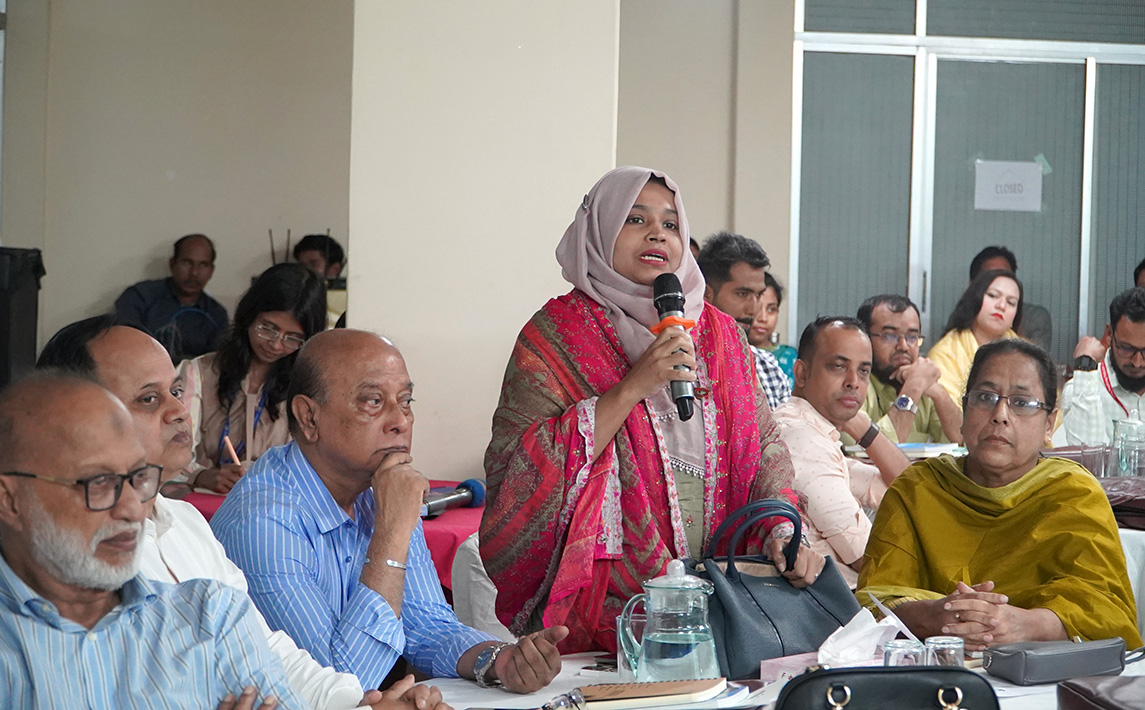
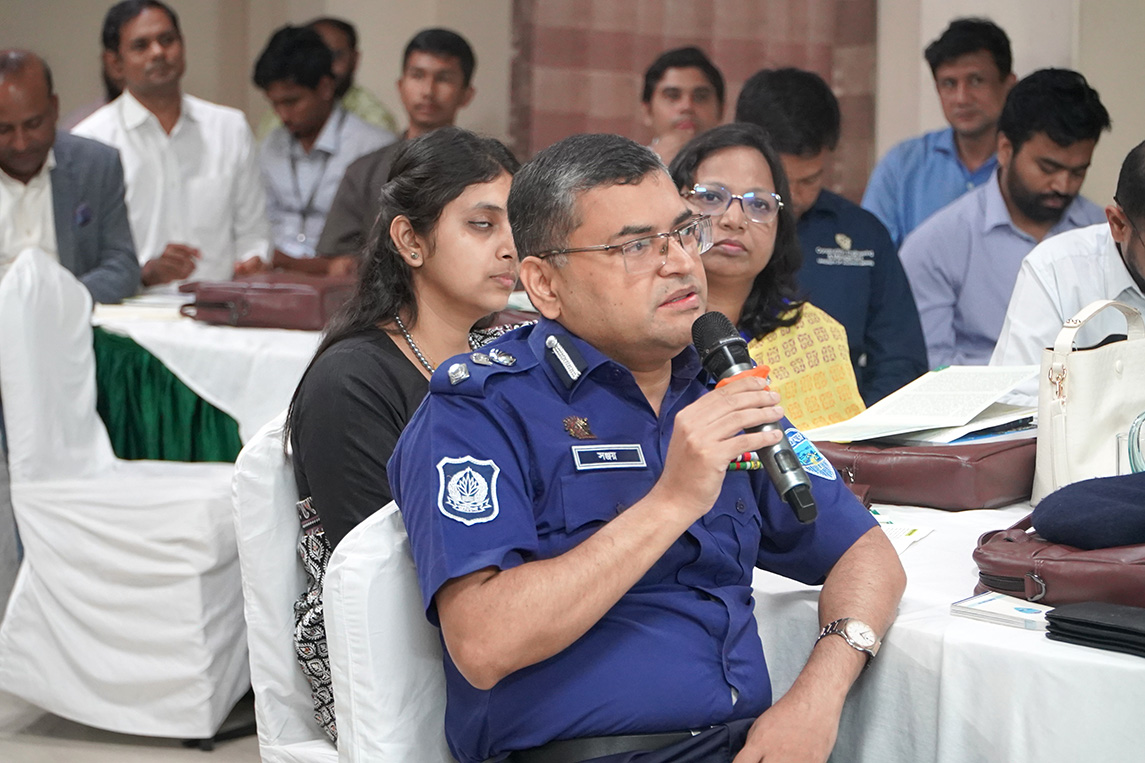
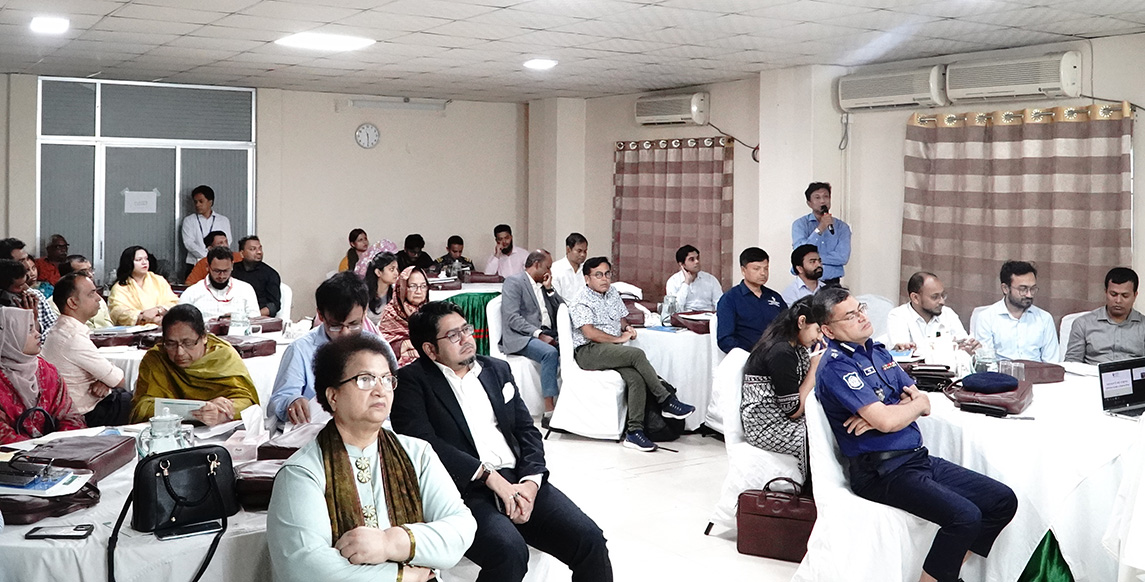
Participants at the seminar, including government officials, industry representatives, civil society members, and journalists, repeatedly pointed to one alarming reality. While electronic waste continues growing rapidly across Bangladesh, the systems meant to regulate and manage it remain largely ineffective. Participants noted that implementation remains fragile, despite the official enforcement of the Hazardous Waste (E-Waste) Management Rules 2021. The Department of Environment (DoE) said that the department has yet to take visible and effective steps to bring producers, importers, and distributors under the registration framework required by the rules. As a result, most electronic waste continues moving through unregulated channels with very little oversight.
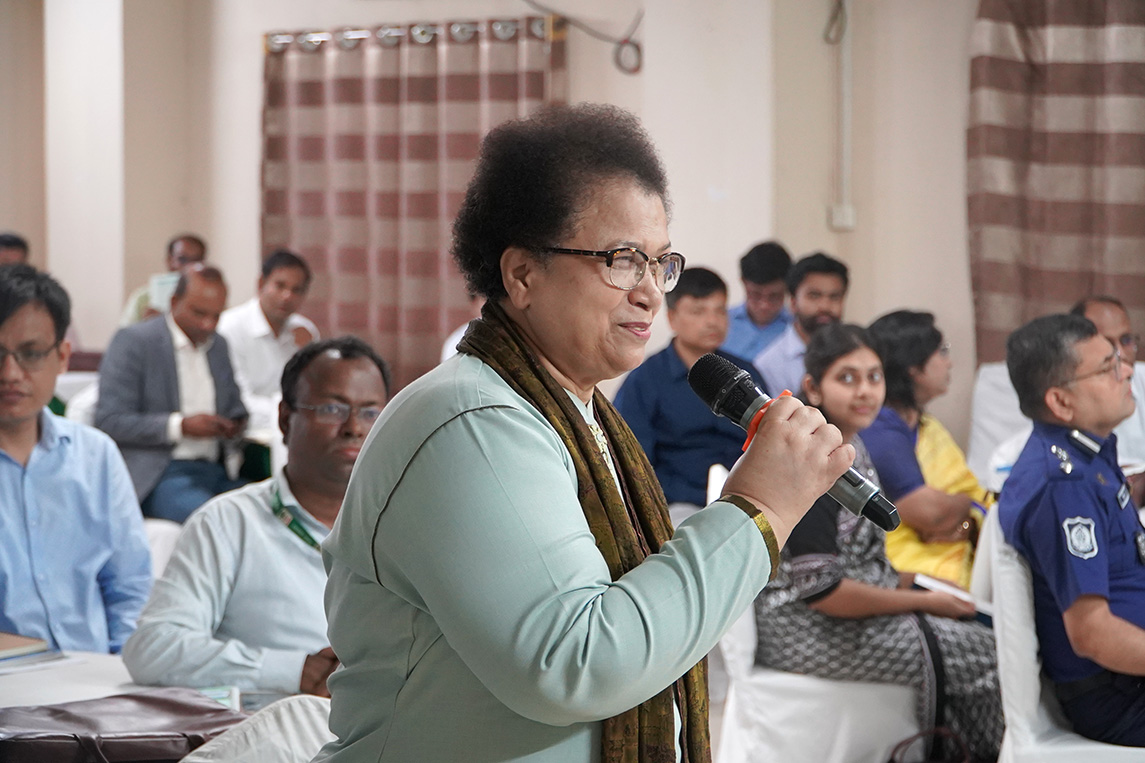
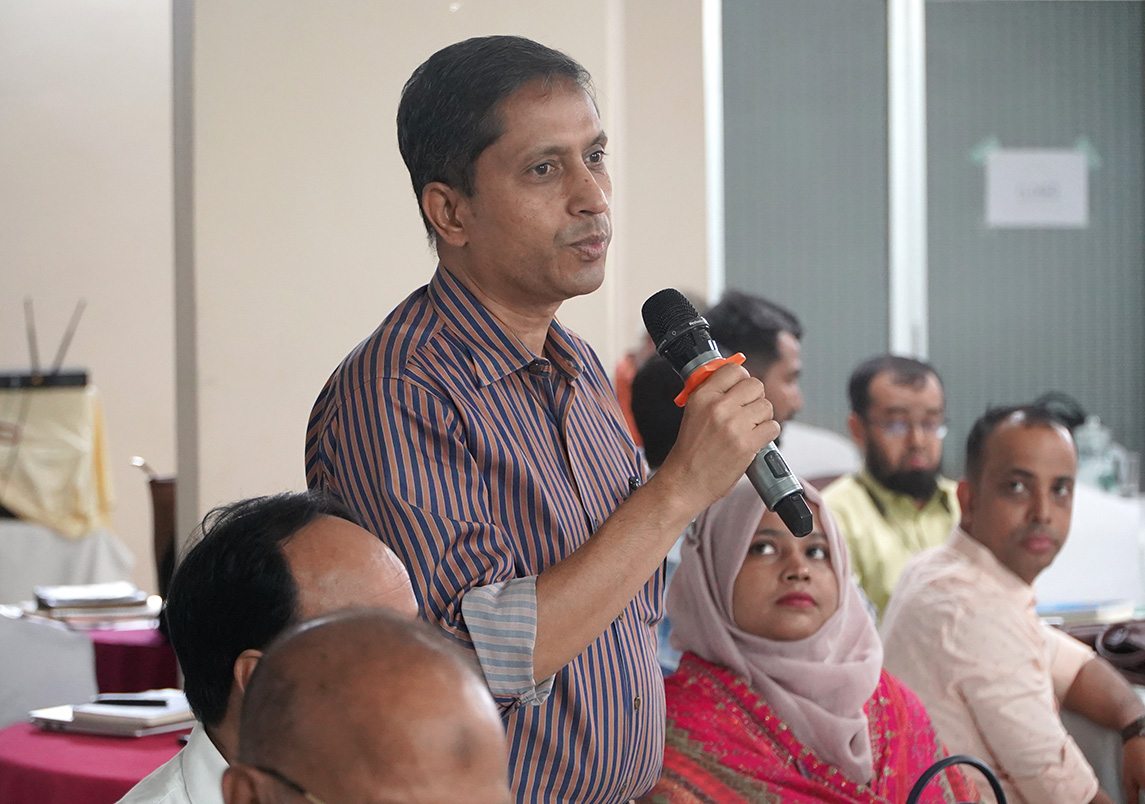
The discussion also highlighted the deep connection between everyday public behavior and the growing crisis, beyond policy failures and institutional gaps. Mohammad Shariful Islam Mahi from Chattogram City Corporation explained that many people keep broken electronic products inside their homes because they believe the items still hold financial value. In a country where proper disposal of regular waste itself remains a challenge, expecting people to separately manage electronic waste becomes even more difficult.
At the same time, the discussion also pointed toward some emerging grassroots efforts aimed at changing this reality. Apurbo Deb from Young Power in Social Action (YPSA) shared how his organization is working directly with informal scrap dealers instead of treating them simply as part of the problem. They are helping register waste workers, introducing mobile banking systems for safer financial transactions, and bringing nearly two thousand waste pickers under health insurance coverage.
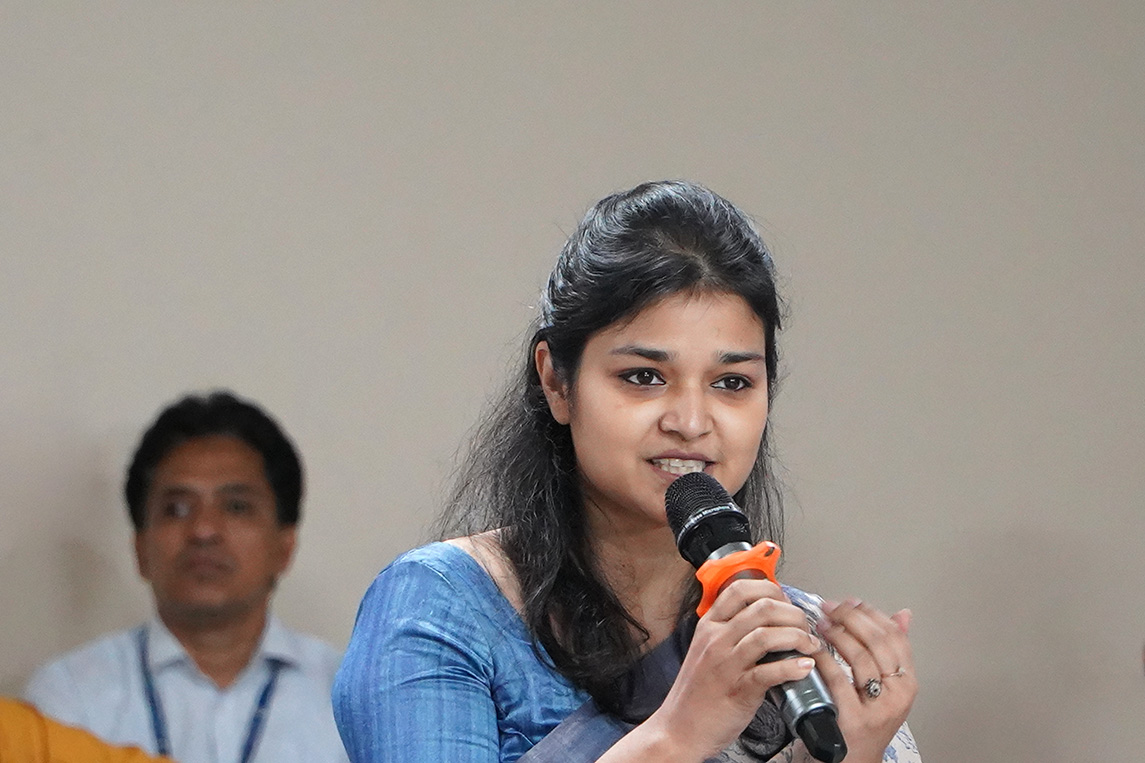
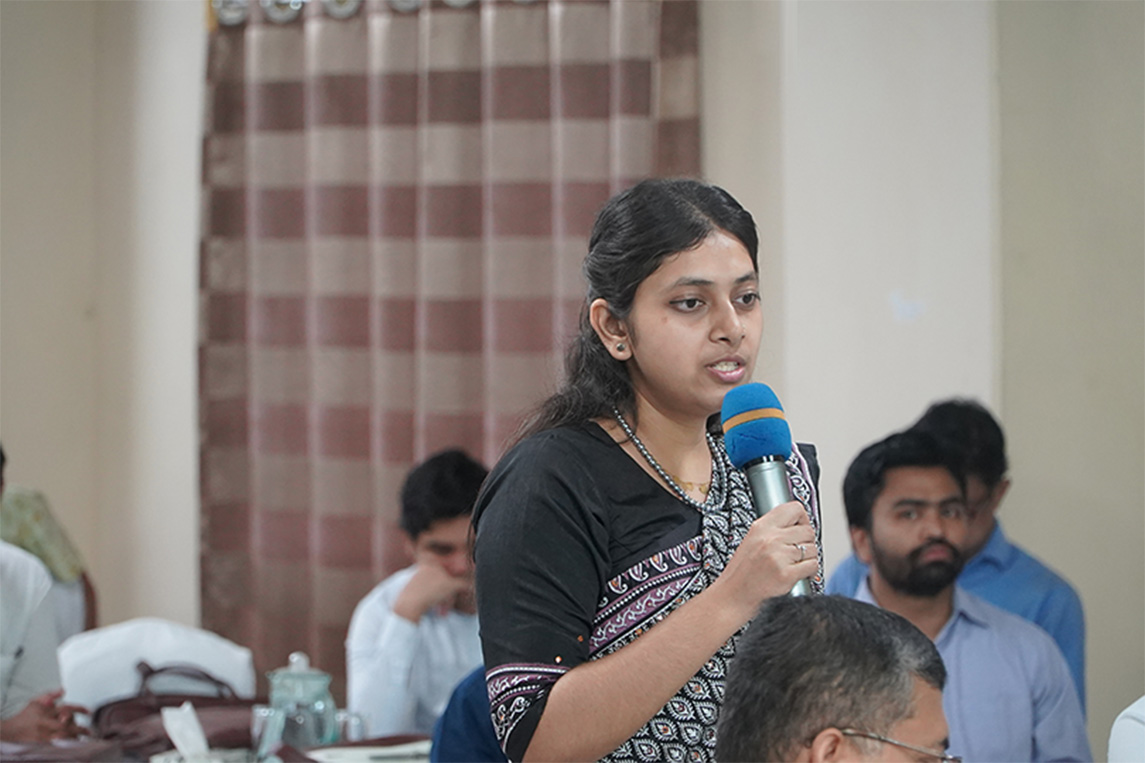
The conversation also touched on the difficulty of changing long-standing public habits. Sadia Rahman from the organization Ghashful described how many adults resist changing their behavior around electronic waste disposal. She shared an experience at an airport where an elderly passenger became angry after being asked not to check in a laptop because of lithium battery risks. In contrast, she believes children can become important agents of change. She stressed the importance of introducing e-waste education into primary school curricula so future generations grow up with stronger environmental awareness.
Toward the end of the seminar, the focus returned strongly to institutional accountability. Dr. Iftekharuzzaman, Executive Director of TIB, said that “awareness alone is not enough if institutions responsible for governance continue avoiding accountability.” He stressed that “those responsible for implementing policies cannot simply shift responsibility onto citizens.” He also noted that “the combined efforts of all stakeholders could transform the growing e-waste crisis into an opportunity if recycling and waste management are handled properly.” He pointed to the example of the four lakh electronic voting machines purchased by the Election Commission without any clear disposal plan once they became unusable. According to him, the situation reflects a broader failure to establish long-term planning and circular management systems for electronic products purchased through public funds.
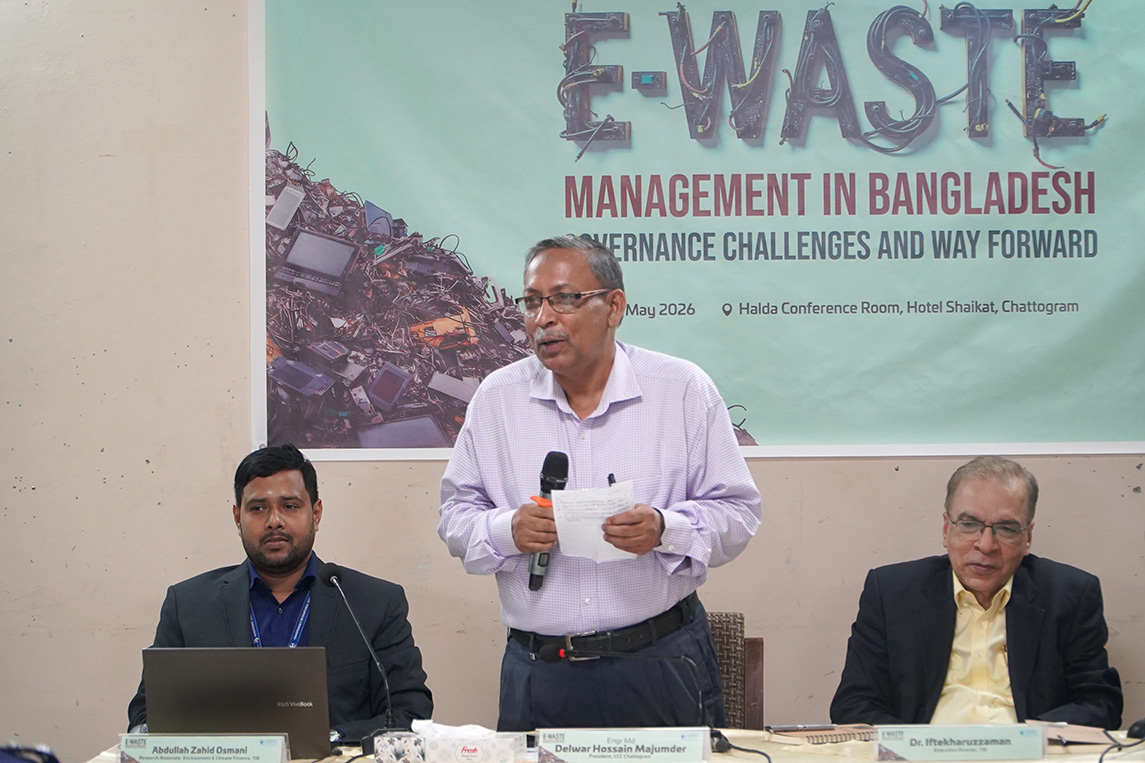
Echoing similar concerns over weak implementation and the growing risks of unmanaged electronic waste, Engineer Md. Delwar Hossain Majumder, President of the Committee of Concerned Citizens (CCC) of TIB, said, “Informal recycling continues through highly risky methods that create severe health hazards for workers and nearby communities.” Additionally, he said, “Bangladesh is rapidly drowning under an ‘ocean of obsolete devices’ created by the unchecked spread of technology. The crisis can no longer be viewed only as a waste management issue. It must also be addressed as a matter of governance, urban management, and worker safety. He stressed that simply formulating policies is not enough unless institutions develop the capacity and seriousness to implement them properly.
By the end of the discussion, one message remained clear. Bangladesh’s growing mountain of electronic waste is no longer just an environmental concern. It has become a test of governance, accountability, and institutional responsibility, one that can no longer remain hidden behind storeroom doors, scrapyards, or forgotten drawers inside people’s homes.
To better understand the overall situation, TIB conducted a study titled “E-waste Management in Bangladesh: Governance Challenges and Way Forward.” The study identified major weaknesses in the country’s regulatory framework, highlighted governance failures surrounding implementation, and proposed a set of recommendations aimed at improving Bangladesh’s e-waste management system.