Published: 09 May 2026
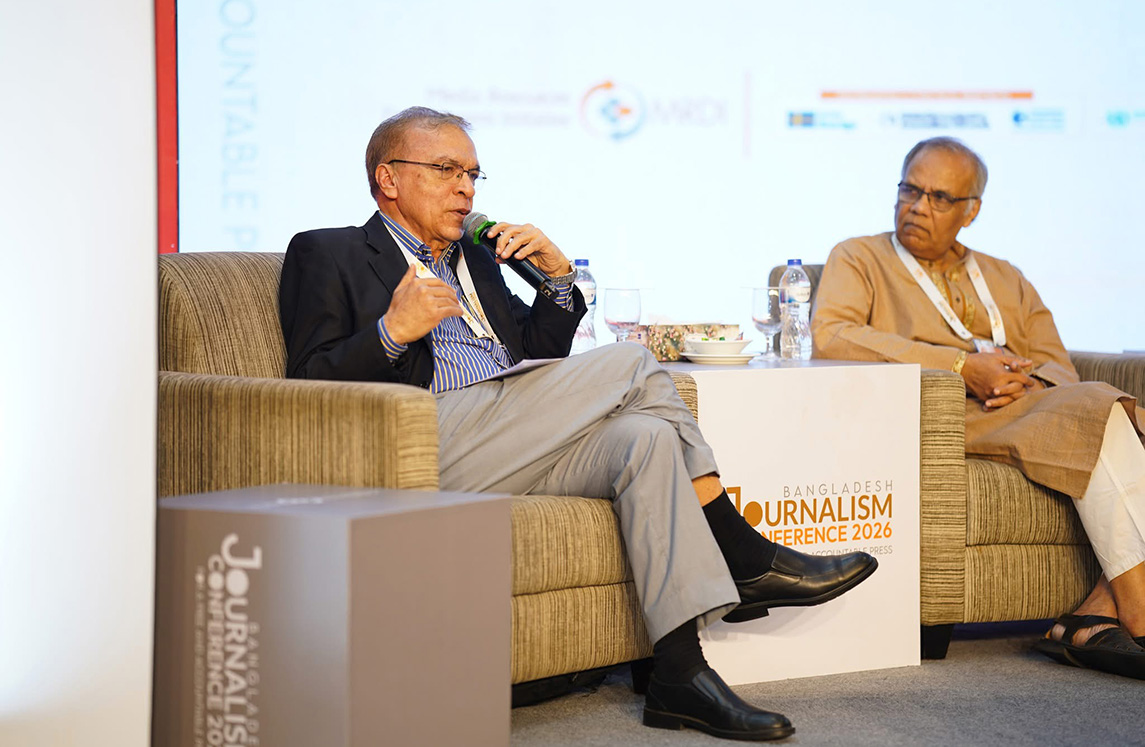
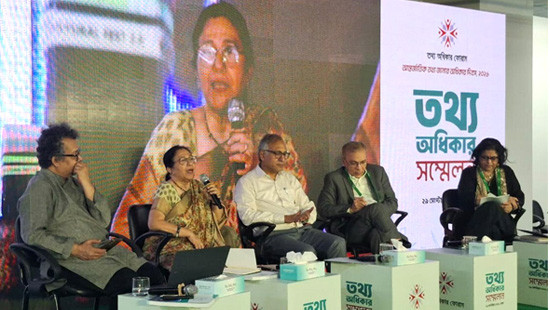
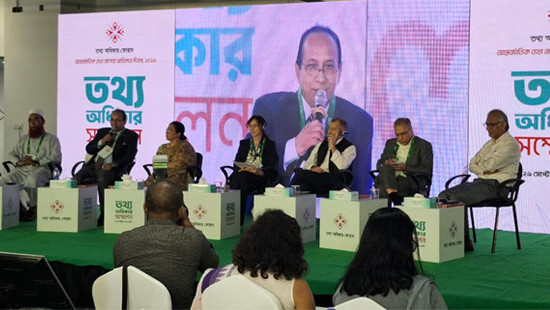
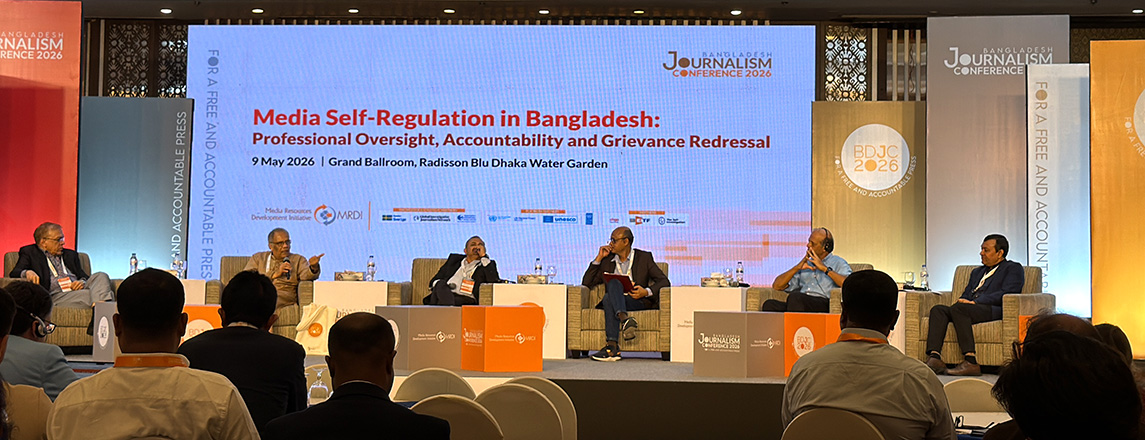
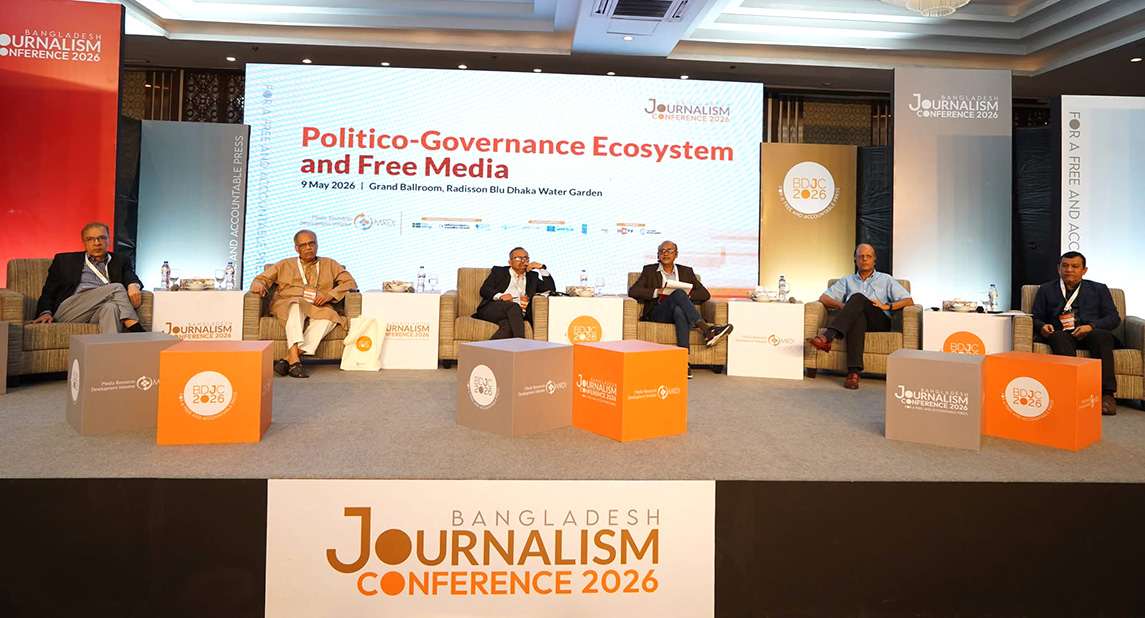
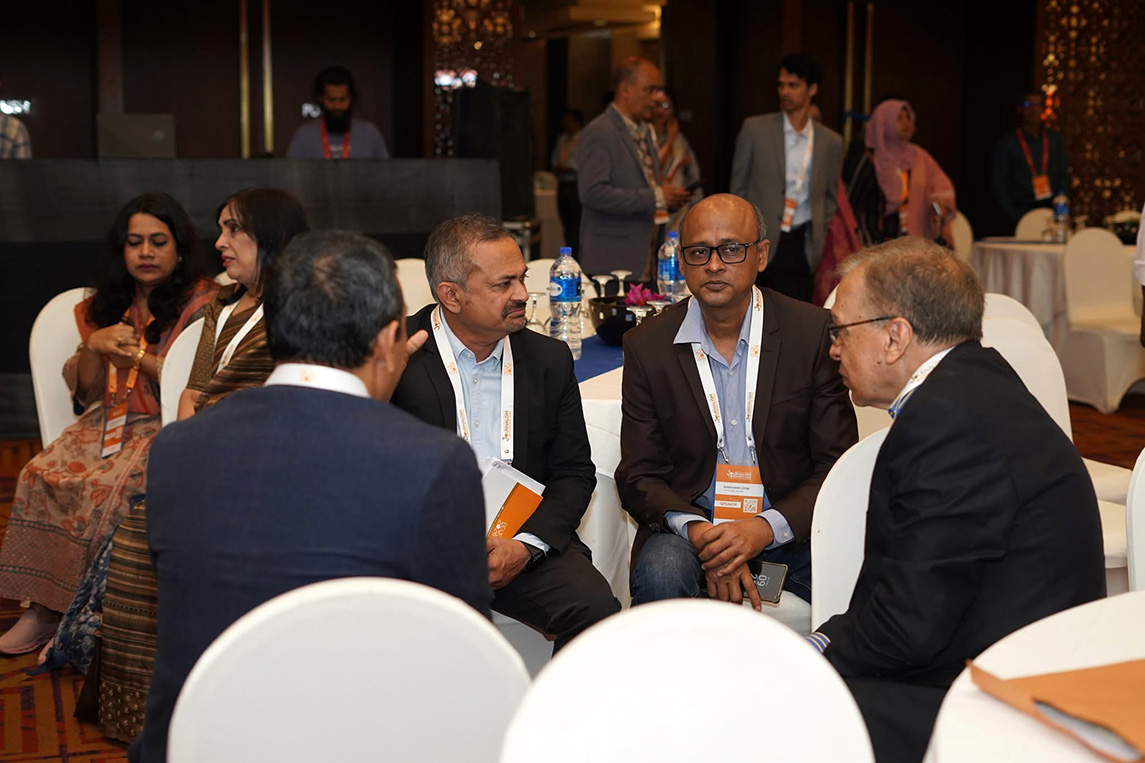
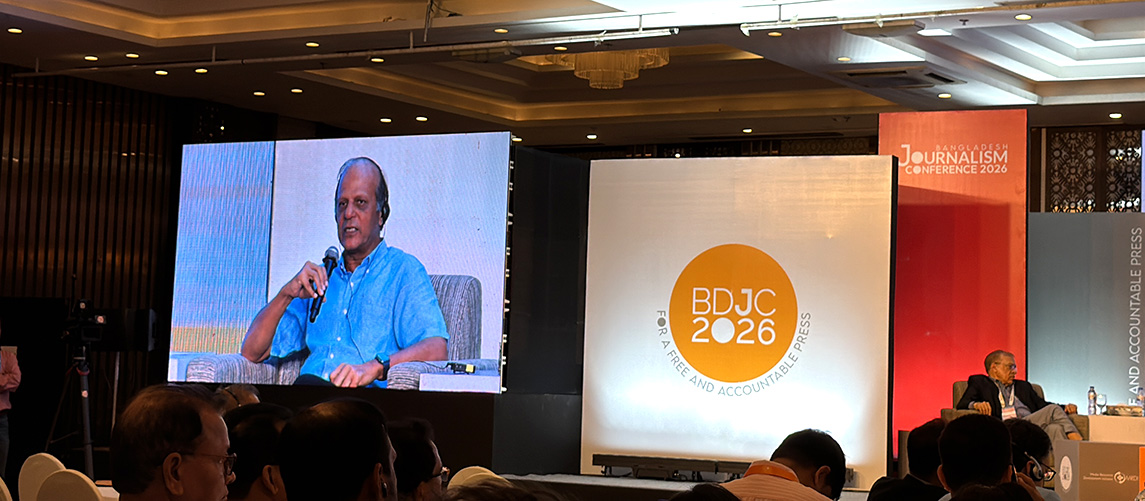
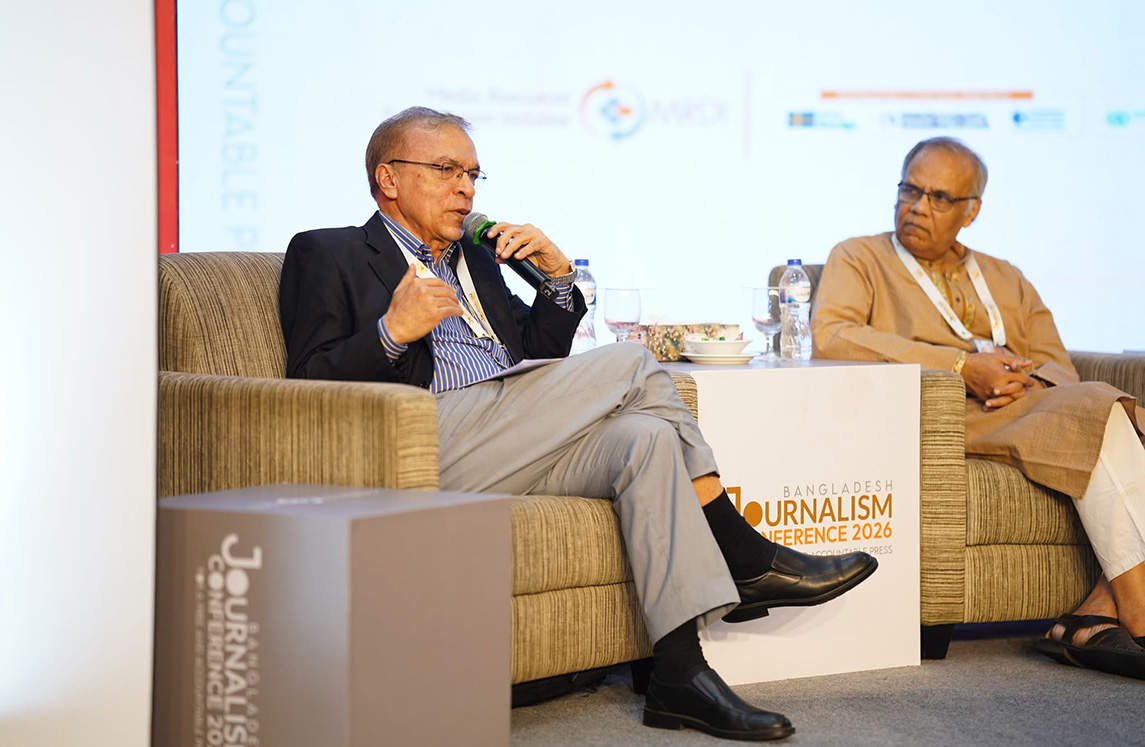
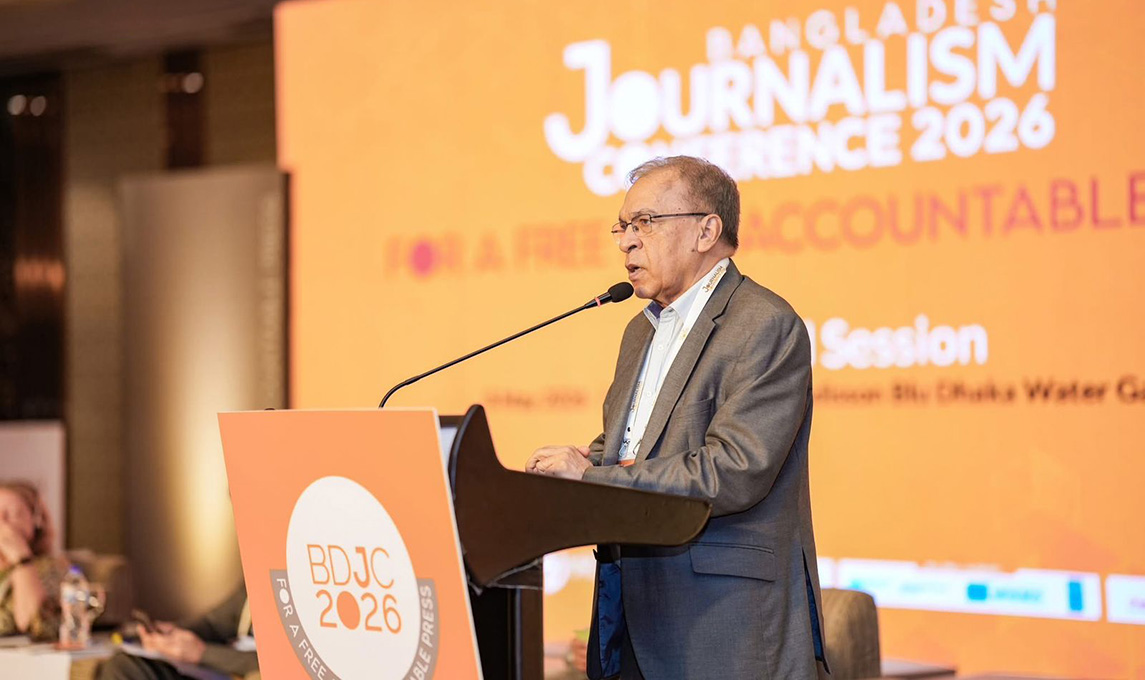
The air inside the Grand Ballroom of the Radisson Blu on May 9 carried more than the weight of another policy discussion. As editors, journalists, and governance experts gathered to discuss the “Politico-Governance Ecosystem and Free Media,” the conversation gradually unfolded into something deeper: an examination of how Bangladesh’s democratic institutions have weakened together, leaving the media increasingly exposed and vulnerable.
What emerged from the discussion was not simply concern over media freedom, but a broader warning about governance itself. The shrinking space for independent journalism, participants argued, reflects the steady erosion of accountability, institutional balance, and democratic tolerance within the state.
When State Institutions Collapse, Media Cannot Remain Free
Consulting Editor of The Daily Star Kamal Ahmed argued that media freedom cannot survive in isolation. According to him, the last 16 years have witnessed the weakening of the executive, judiciary, and legislature simultaneously, creating what he described as a “zero-sum” destruction of institutional balance.
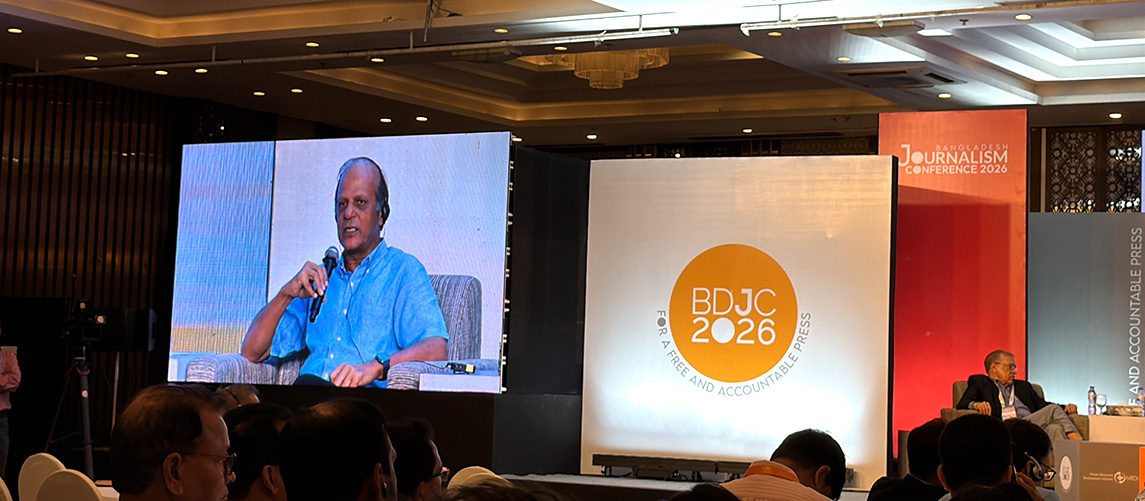
He warned that Bangladesh has increasingly moved away from pluralistic democratic practices toward a form of “majoritarianism,” where dissenting voices are treated not as participants in democracy, but as obstacles to power. Political parties themselves, he observed, often fail to practice internal democracy while expecting unquestioned loyalty from institutions and citizens alike.
Kamal Ahmed also expressed concern over the declining credibility of the media. State pressure alone, he suggested, is not responsible for this crisis. Political influence, ownership concentration, and dependence on powerful business interests have also weakened editorial independence and public trust.
The Human Cost of Suppressing Journalism
TIB Executive Director Dr. Iftekharuzzaman grounded the discussion in stark realities. Since 2009, around 45 journalists have reportedly been killed and more than 1,300 injured while carrying out their professional duties. Alongside physical violence, legal intimidation has become another major instrument of control.
More than 250 journalists have faced cases under the Digital Security Act and related legal frameworks, contributing to what he described as a normalized “culture of fear” within journalism. According to him, these conditions have encouraged self-censorship, weakened investigative reporting, and narrowed democratic discourse.
Dr. Iftekharuzzaman also questioned the effectiveness of institutions that are meant to protect press freedom. Bodies such as the Press Council, he argued, have increasingly failed to function independently and, in some instances, appeared to legitimize politically motivated actions against media organizations instead of safeguarding freedom of expression.
For TIB, the issue extends far beyond journalism itself. A weakened media environment ultimately weakens citizens’ right to information and reduces public oversight over corruption, abuse of power, and governance failures.
The Quiet Politics of Bureaucratic Control
One of the most revealing moments of the discussion came from Daily Samakal Editor Shahed Muhammad Ali, who spoke about the use of administrative mechanisms to quietly shape newsroom decisions.
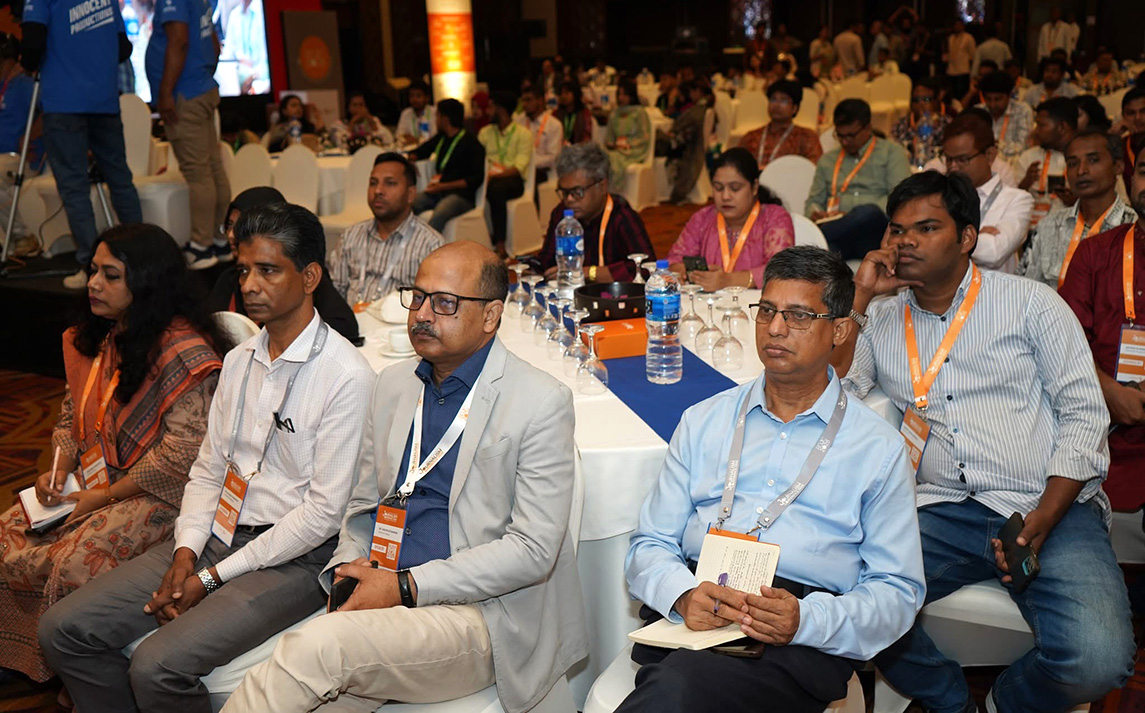
He described how the mandatory “SD pass,” required for access to the Prime Minister’s Office, often functions less as a security protocol and more as an informal political filter. According to him, requests are sometimes made to remove particular reporters from sensitive beats because they are not viewed as the “right” individuals for coverage.
These requests may not arrive as formal directives, but the implied pressure behind them remains widely understood inside media circles.
Participants noted that in countries with stronger democratic institutions, politically motivated restrictions on journalists can be challenged through parliamentary committees or judicial review. In Bangladesh, however, the weakness of institutional safeguards leaves little room for remedy when bureaucratic authority is misused.
Political Ownership and the Commercial Capture of Media
The discussion also focused on the growing overlap between political power, business influence, and media ownership.
Participants expressed concern that politically connected corporate groups are increasingly shaping Bangladesh’s media landscape. The influx of black money and politically motivated investments into media institutions, they argued, has transformed parts of the industry into instruments of influence rather than platforms for public accountability.

The reported attempt by the S. Alam Group to take control of The Daily Prothom Alo before the political transition of August 5 was discussed as an example of how ownership struggles are often tied to broader political interests. In such an environment, independent journalism becomes financially vulnerable, while editorial freedom turns into an increasingly expensive principle to maintain.
Global Trends, but Bangladesh’s Vulnerabilities Are Deeper
Former BBC journalist Shakeel Anwar observed that hostility toward the press is no longer unique to Bangladesh. Across many parts of the world, governments have become more aggressive toward critical journalism.
The difference, however, lies in institutional resilience. In many democratic countries, courts, parliamentary oversight bodies, and independent regulatory systems continue to provide at least some protection against political overreach.
Bangladesh’s challenge, participants argued, is that these institutional counterbalances have gradually weakened. As a result, pressure on journalists and media institutions becomes easier to normalize.
Rebuilding Public Trust Is the Only Sustainable Protection
Despite the bleak picture, the discussion concluded with a measure of consensus: rebuilding public trust remains the media’s strongest and perhaps only sustainable defense.
Participants pointed to the parliamentary democratic period between 1991 and 2006 as a time when stronger institutional practices created greater space for independent journalism. But they also stressed that legal reform alone will not restore media credibility.
Professionalism, ethical reporting, factual accuracy, and public-interest journalism must remain central if the media hopes to regain citizens’ confidence.
Ultimately, the discussion reinforced a broader truth emphasized by TIB throughout the session: media freedom is not a standalone issue. It is deeply connected to democratic governance itself. When journalism weakens, citizens lose access to credible information, accountability declines, and the space for unchecked power inevitably expands.