Published: 29 March 2026
In a democratic system, the right to know is not a privilege but a fundamental right of citizenship. In Bangladesh, however, this right continues to be weakened by an inactive information commission, limited engagement with civil society in reform efforts, and a legal framework that keeps political parties beyond public scrutiny.
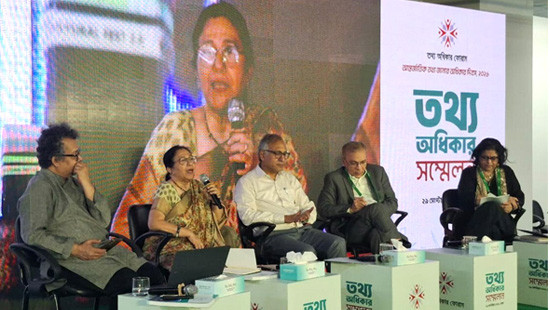
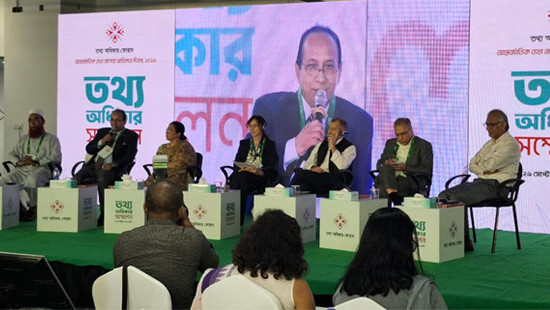
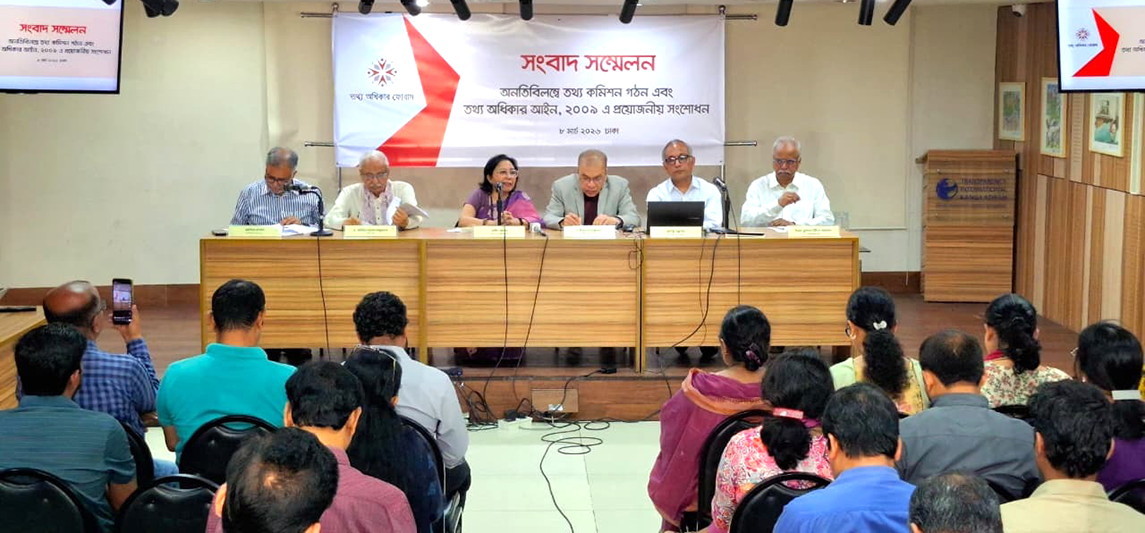
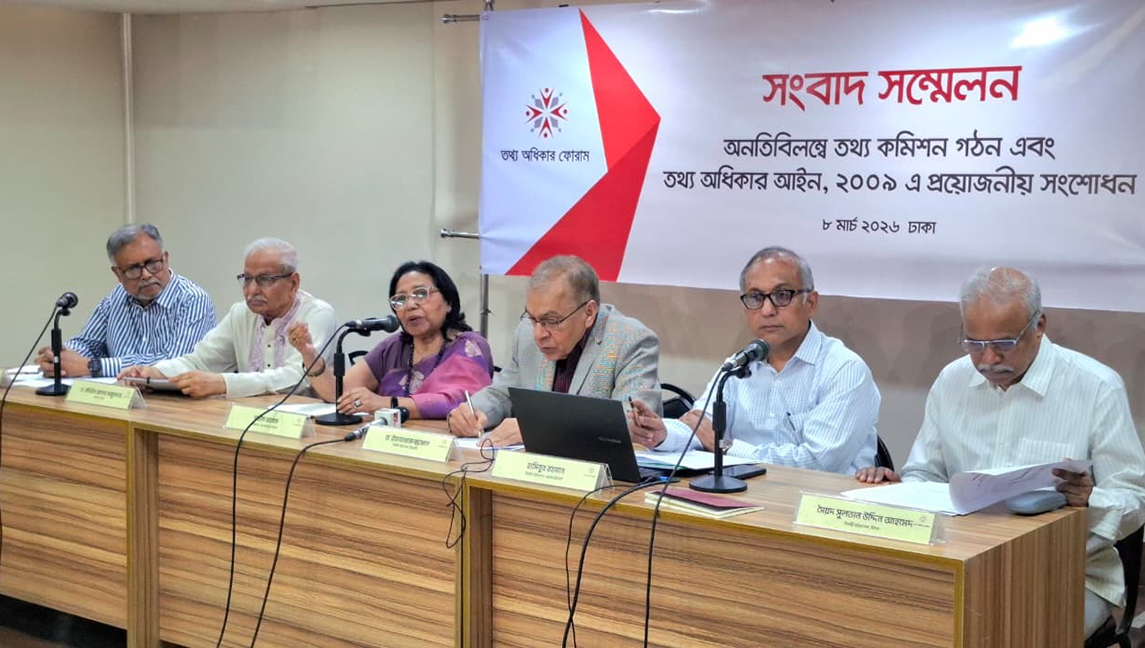
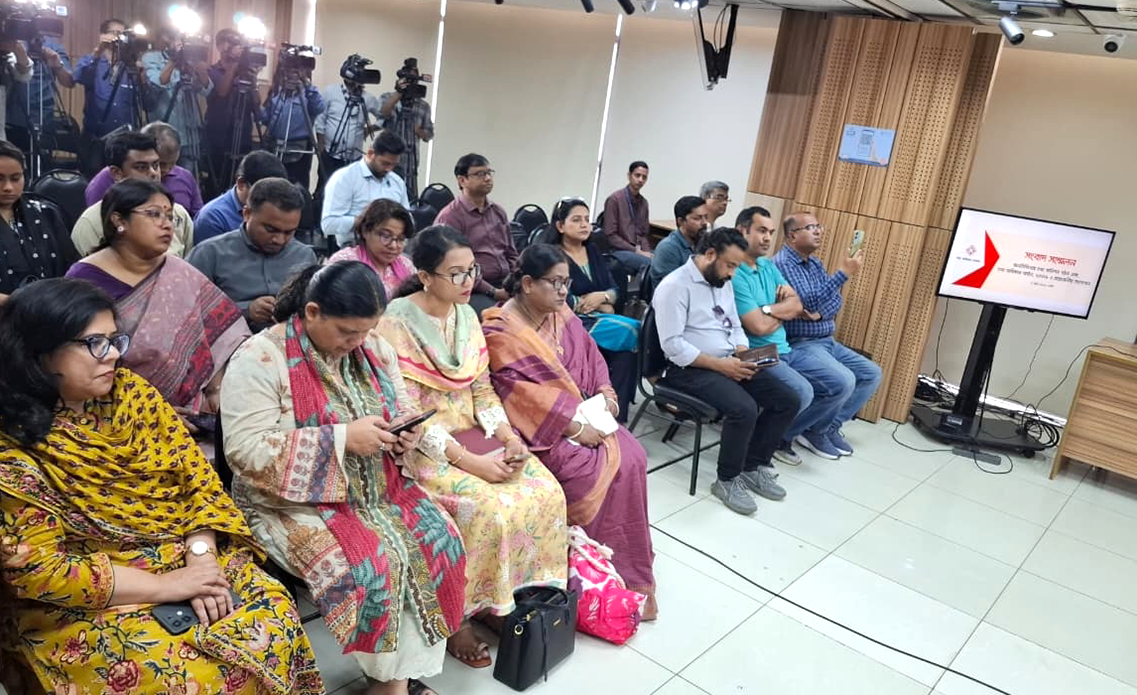
In this backdrop. the RTI Forum organized a press conference on 8 March at the TIB office to address these concerns. Civil society leaders, legal experts, and transparency advocates came together to call for urgent reform of the Right to Information Act, 2009, and to highlight the widening gap between the law’s intent and its implementation. TIB is one of the important members of the forum.
Even after sixteen years, the RTI Act still fails to recognize political parties as public authorities. As a result, parties that contest elections, shape national policy, and influence public life are not legally required to disclose their finances, internal processes, or institutional records publicly. This gap has allowed a culture of opacity to persist, weakening accountability across successive governments.
Speaking at the event, TIB Executive Director Dr Iftekharuzzaman noted that the normalization of limited transparency has become a growing concern. He also pointed to the continued absence of the Information Commission, the statutory body responsible for resolving RTI complaints, as a clear indicator of institutional failure. Since the political developments of July to August 2024, the Commission has remained unformed for nearly one and a half years, leaving more than a thousand complaints unresolved and citizens without a functioning avenue for redress.
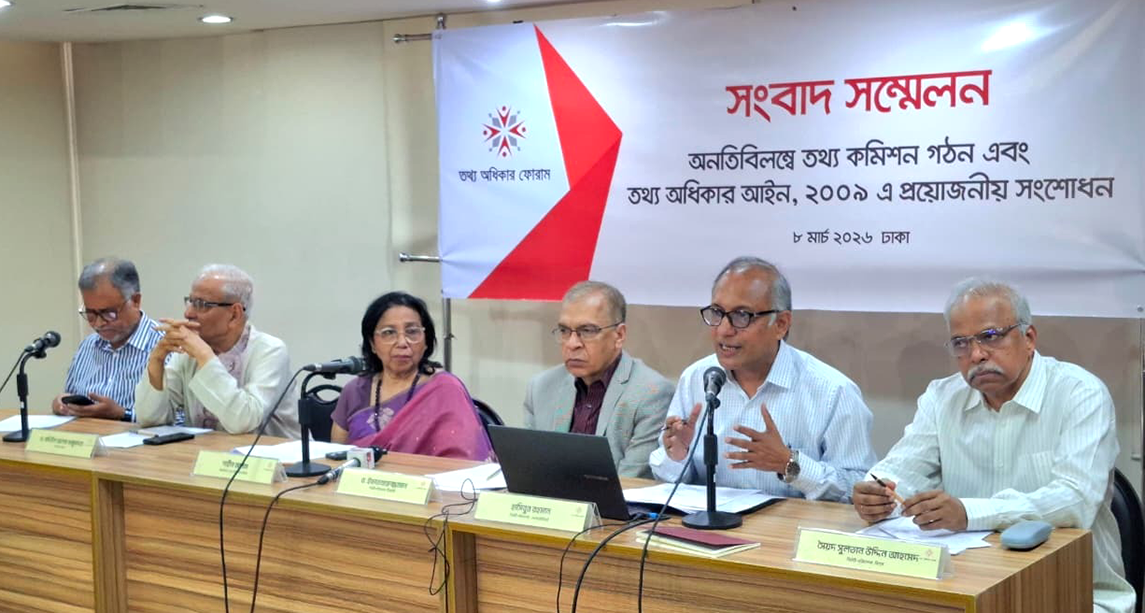
The recently introduced amendment ordinance drew sharp criticism from civil society representatives. RTI Forum Convener and Executive Director of Manusher Jonno Foundation, Shaheen Anam, expressed concern that key recommendations from consultations were not reflected in the draft, stressing the need for further dialogue before it proceeds to the parliamentary session. Adding to the discussion, MRDI Executive Director Hasibur Rahman presented a detailed analysis of the proposed amendments. He noted that the amendment ordinance introduced only limited changes, while several key proposals remain unaddressed. These include adding “note sheet” to the definition of information, reviewing Section 7, and bringing local government bodies, private entities under government contracts or licenses, and political parties registered with the Election Commission under the law.
The discussion focused squarely on the urgent need for reform and stronger accountability. At the heart of this was the demand to bring political parties under the RTI framework. Dr Badiul Alam Majumdar, the editor of SUJON (Shushashoner Jonno Nagorik), a civil society organization in Bangladesh working to promote transparency, accountability, and democratic governance, emphasized that the right to information is ultimately the right to know the truth and that no institution should be beyond accountability. Political parties operate using public resources, participate in publicly funded elections, and, when in power, shape the functioning of state institutions. Excluding them from transparency obligations creates a structural inconsistency that undermines democratic governance.
The demands raised at the press conference outlined a coherent and principled agenda for strengthening the right to information. These include the immediate formation of the Information Commission, meaningful revision of the amendment ordinance through inclusive consultation, and necessary changes to the RTI Act to ensure that political parties are brought within its scope. These are not extraordinary demands but essential steps toward restoring a credible and effective right to information regime in Bangladesh.