Published: 28 December 2025
"No one came to help us”! The room fell silent at this line. “We were trapped in our own workplace as flames and smoke filled every corner, and even when we called 999 for help, no one responded. Police stood nearby but said they had no orders to act, leaving us to face death on our own,” said Shamima Rita, a journalist from The Daily Star, recalling the day her office was vandalized and set on fire. She added that survival felt like a matter of chance, and escaping the building did not mark the end of danger but the beginning of new threats outside, where mobs were waiting to attack journalists as they tried to flee the fire. Women, in particular, were singled out, abused, and harassed some of them are targeted simply for being women in journalism!
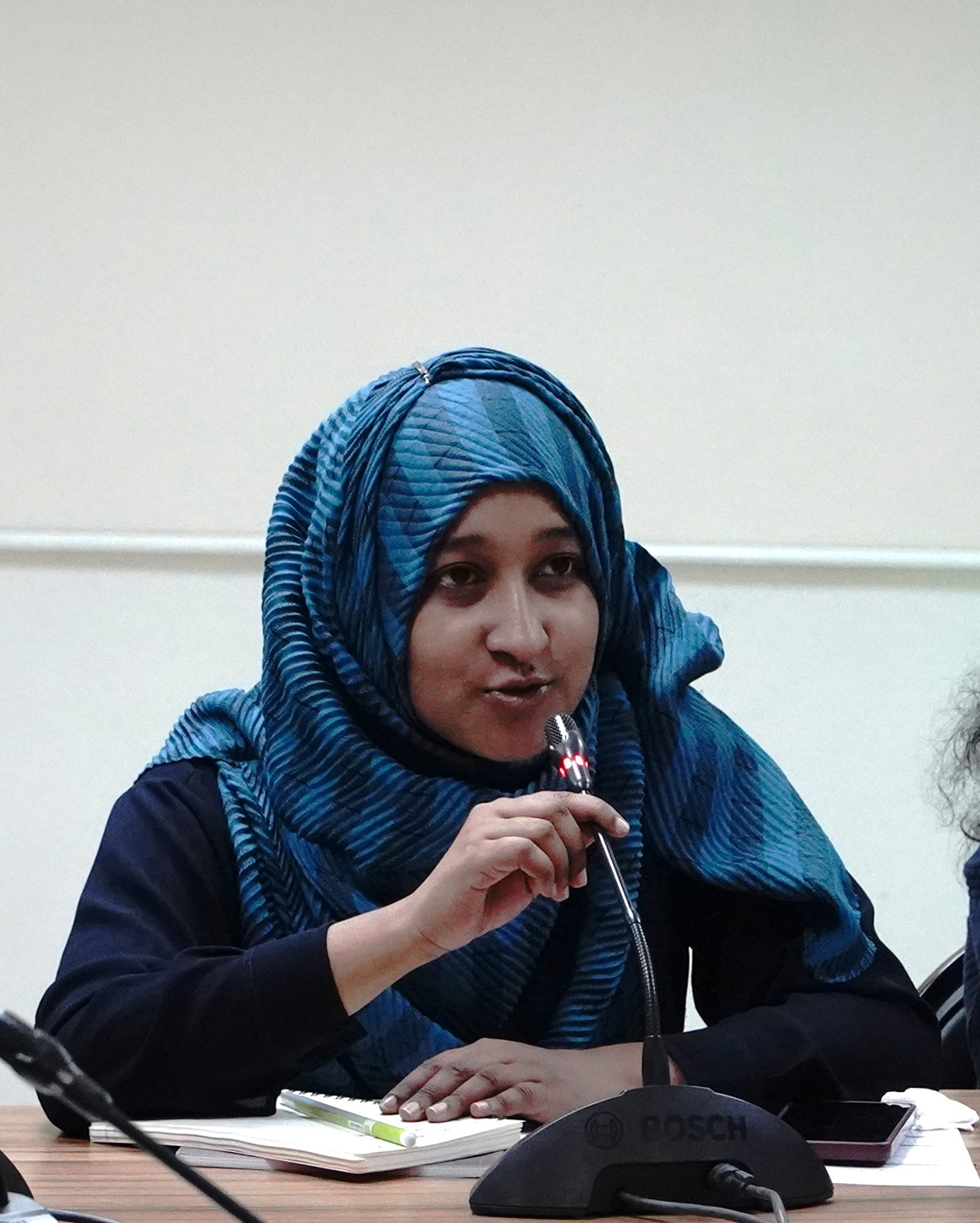
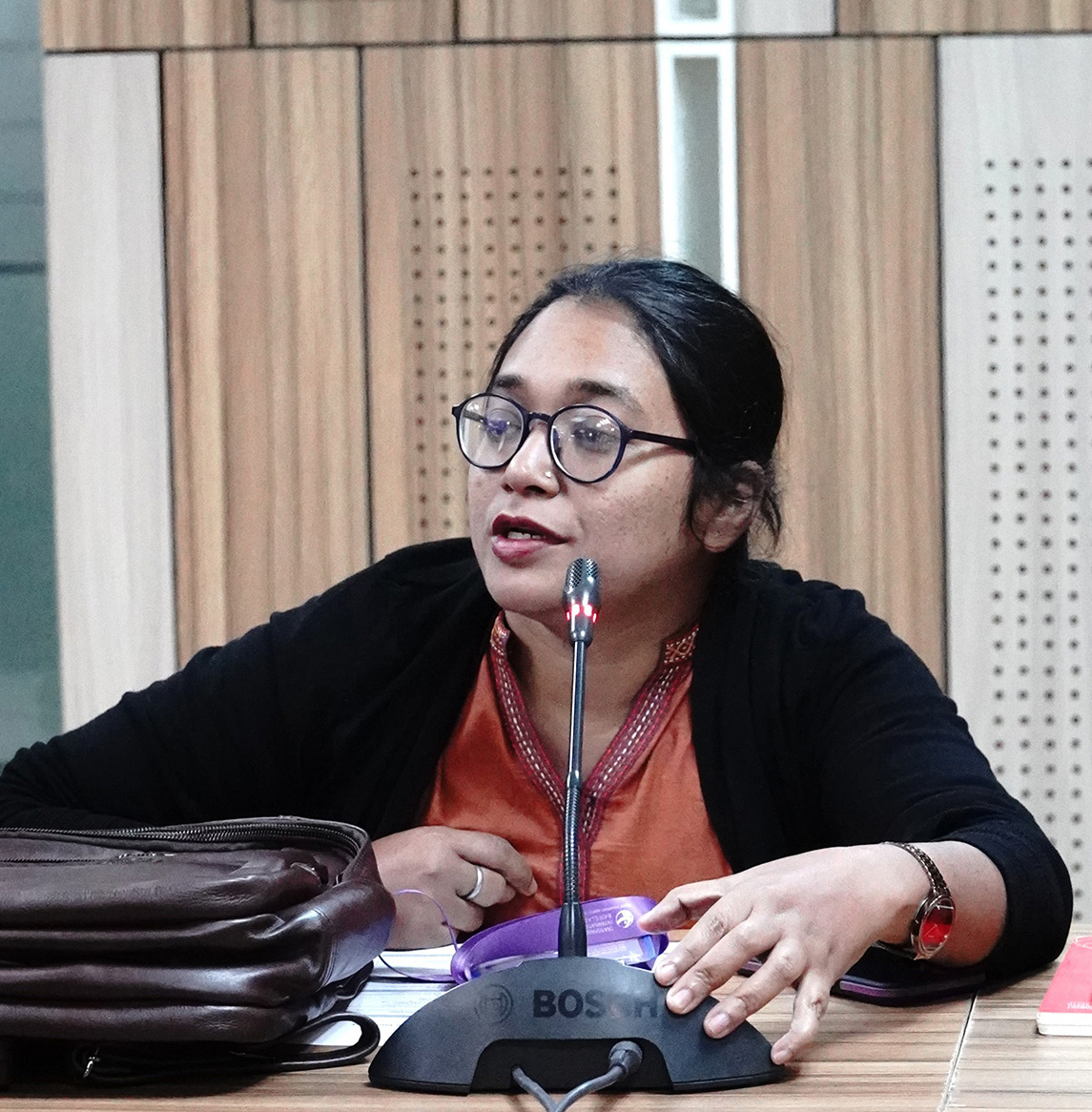
Her story is not an isolated incident but a reflection of the everyday challenges women journalists faces in Bangladesh, where professional responsibility intersects with gendered vulnerability. Other participants echoed similar experiences, highlighting persistent barriers in their daily work. Invitations to press conferences or political events are often withheld. Female reporters are asked to leave or excluded altogether from some political party’s events, forcing them to constantly negotiate access and legitimacy simply because of their gender. These obstacles compel them to confront hostility not only from external actors but also from structural biases embedded in professional spaces meant to support, not impede, journalism.
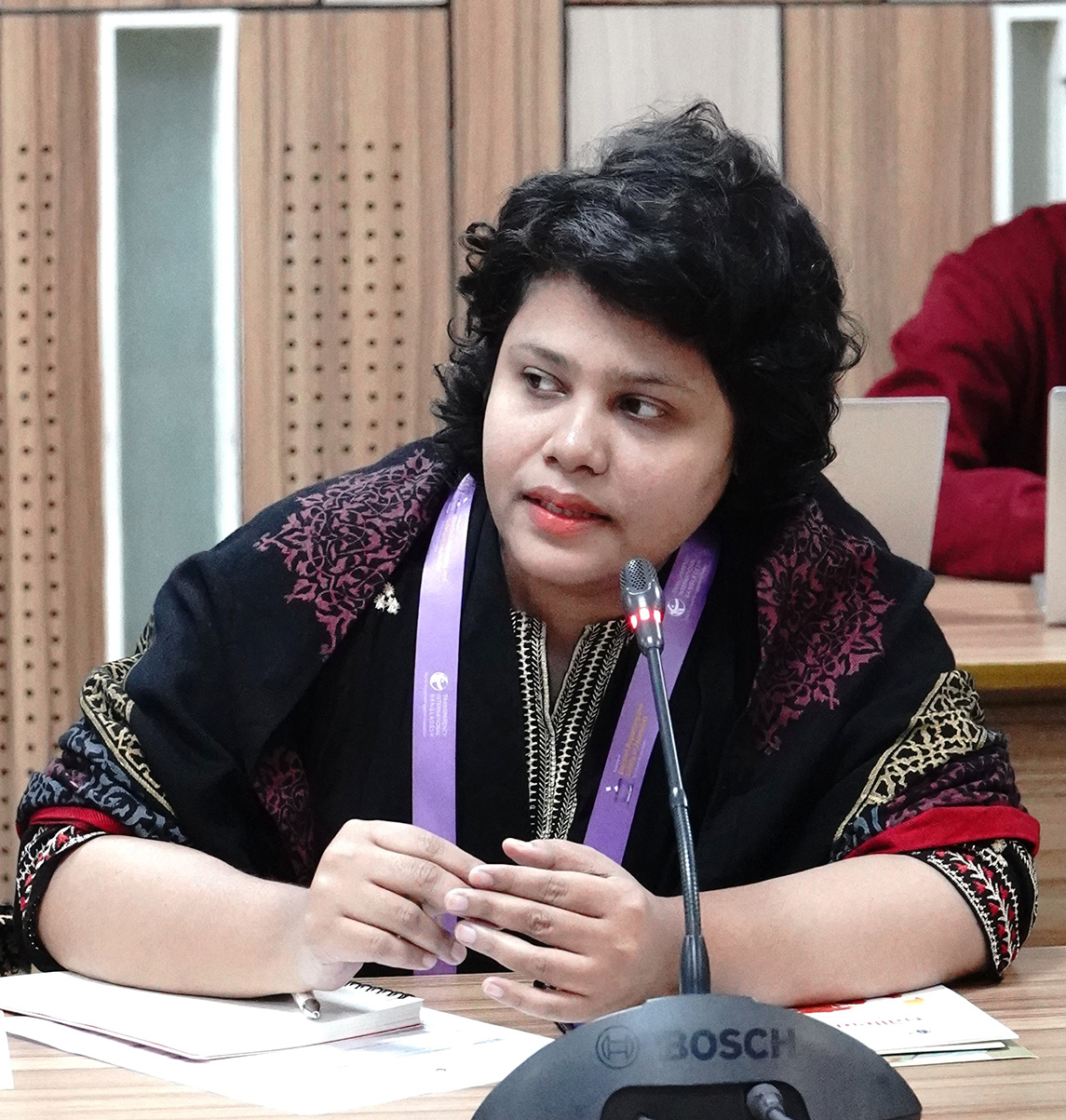

As the nation approaches a critical national election following the fall of an authoritarian regime, these challenges are amplified. Political tension is rising, scrutiny on media intensifies, and risks multiply, making election coverage a high-stakes endeavor where women journalists must navigate harassment, exclusion, and threats while upholding democratic accountability and public trust.
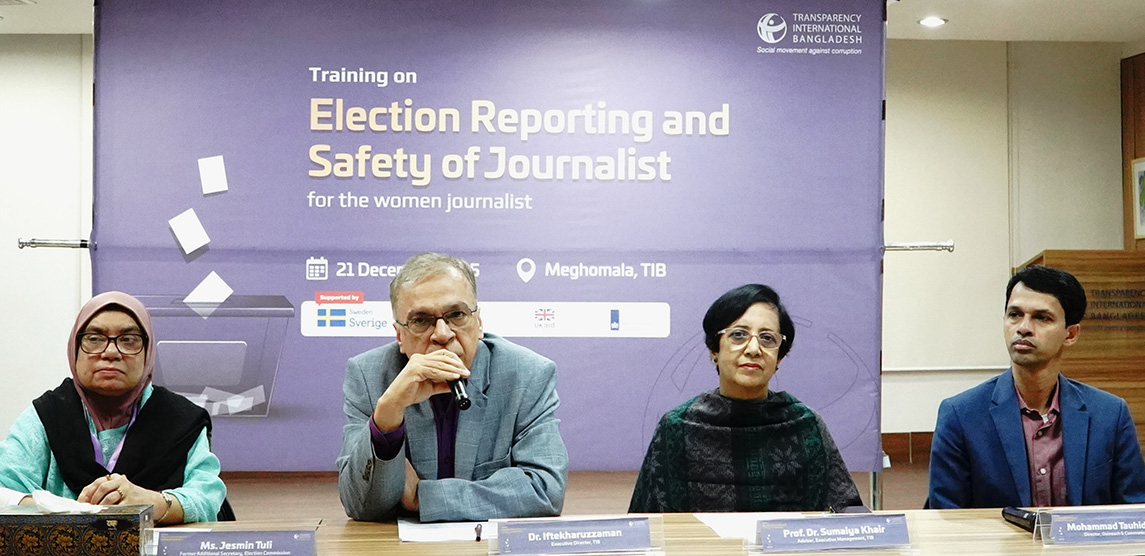
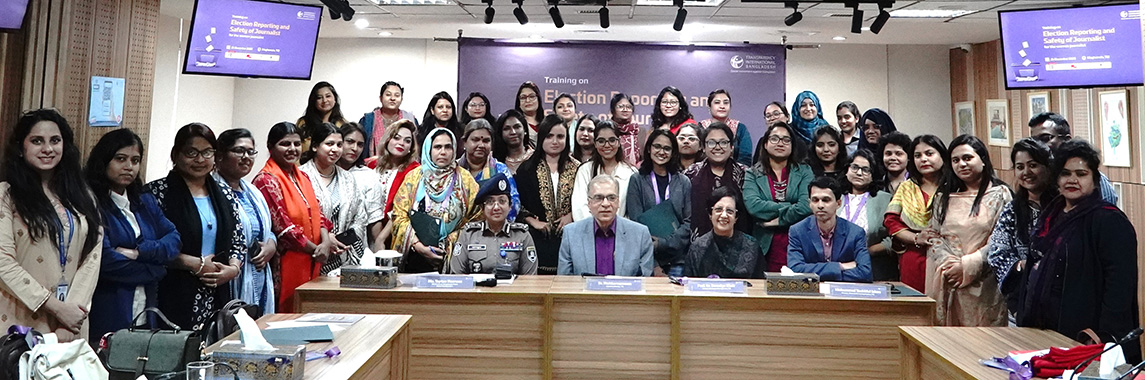
Knowing these realities, Transparency International Bangladesh (TIB) organized a Training on Election Reporting and Safety of Journalists on 21 December 2025, designed exclusively for women journalists. The training reflected the understanding that ethical reporting and personal safety are inseparable, and that protecting democracy requires protecting those who document it.

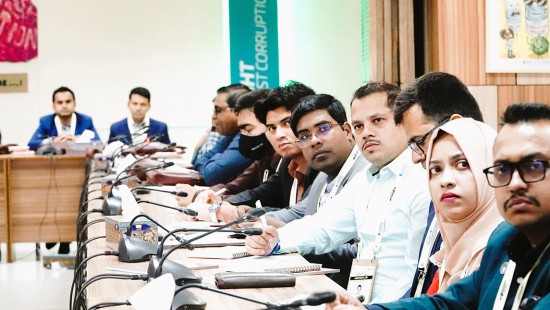
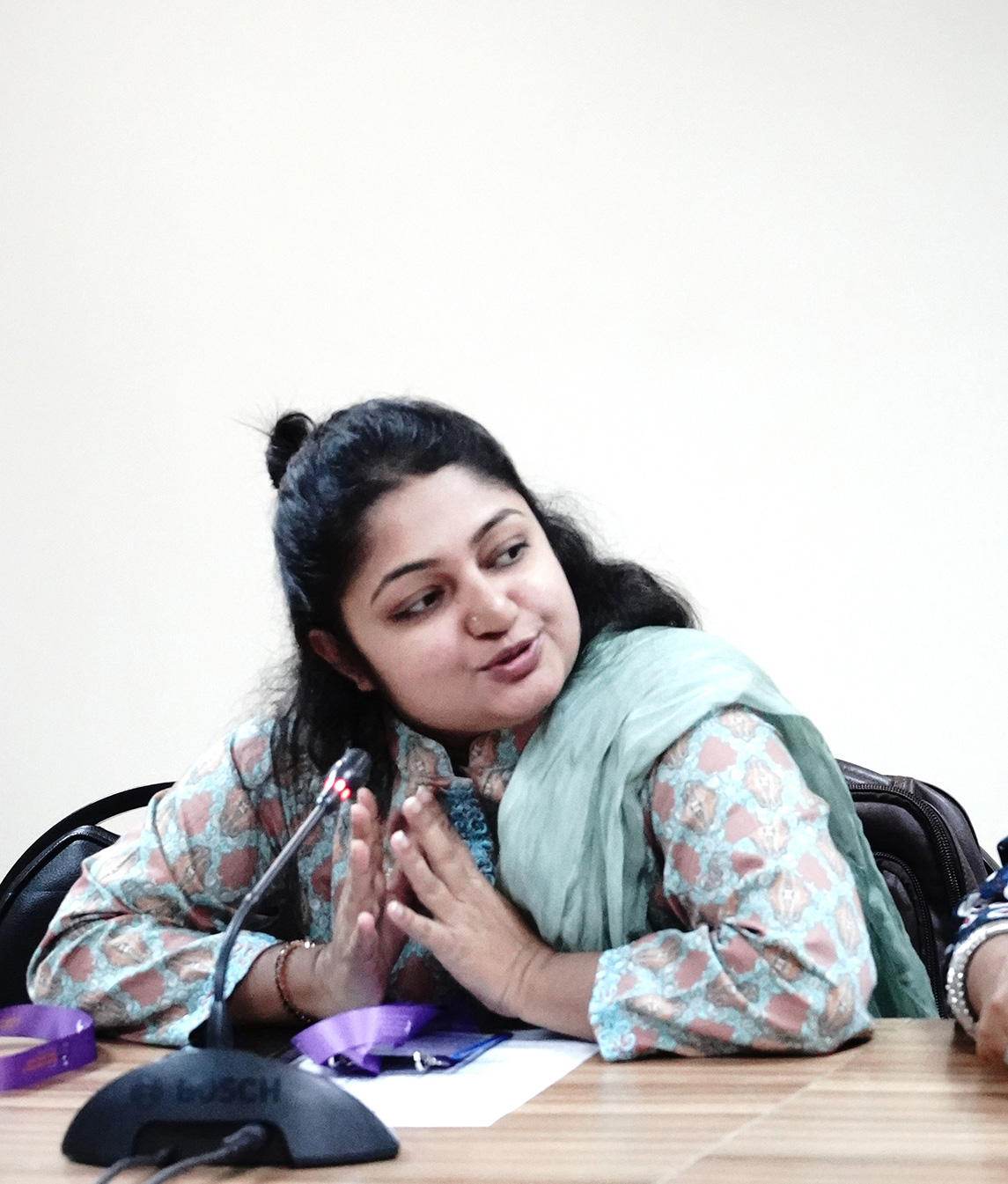
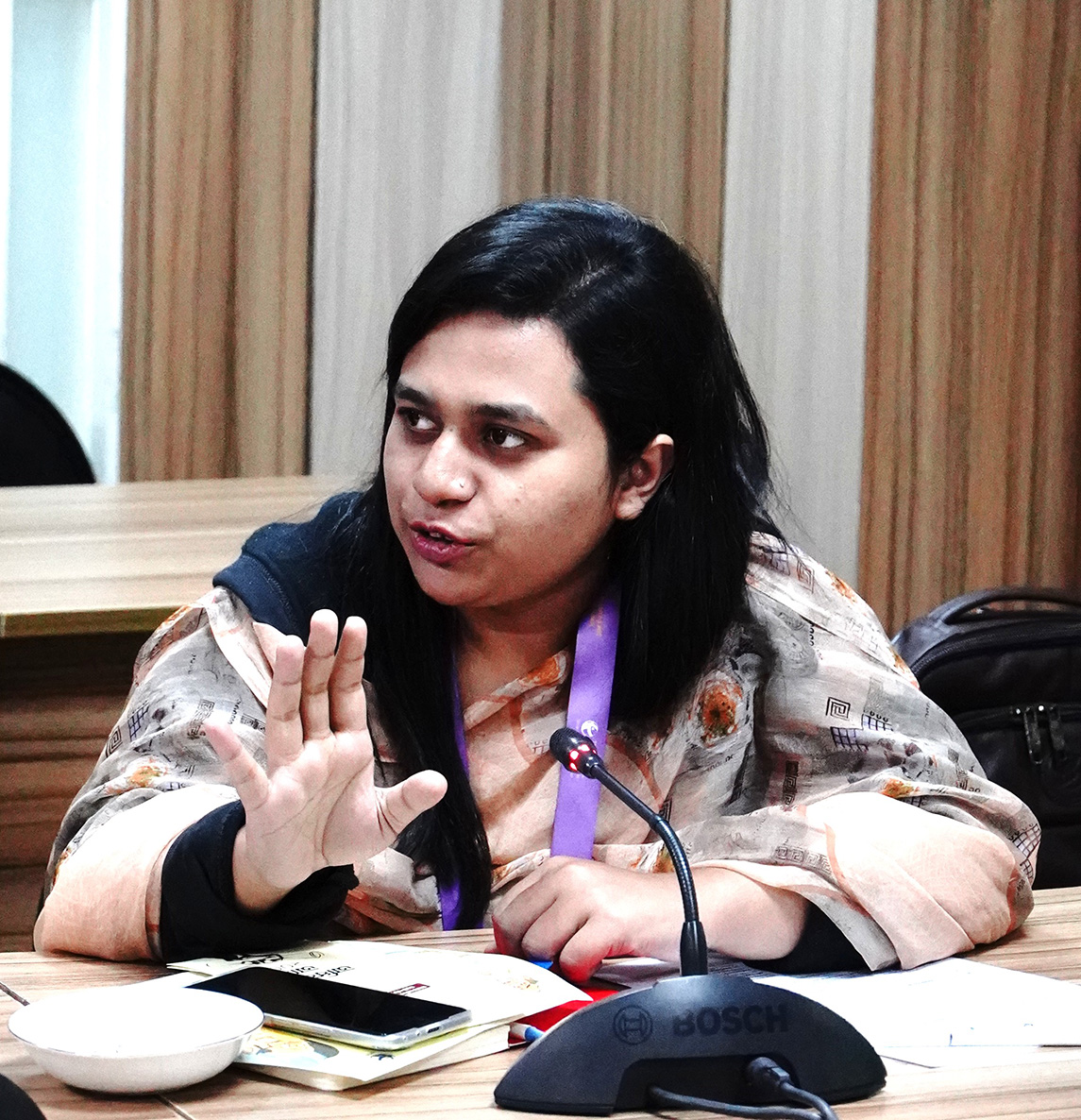
The training brought together around forty women journalists from different media outlets, creating a space where lived experience informed learning and collective resilience replaced isolation. Dr Iftekharuzzaman, Executive Director of TIB, opened the program by emphasizing the growing importance of journalist safety, particularly for women, noting that election reporting exposes them to unique vulnerabilities that require focused institutional response rather than individual endurance. Professor Dr Sumaiya Khair, Adviser, Executive Management at TIB, encouraged participants to actively engage throughout the sessions, reinforcing that meaningful capacity building must reflect real-world challenges. Mohammad Tauhidul Islam, Director of Outreach and Communication at TIB, facilitated the opening session.

Real Solutions for Real Threats
Unlike conventional training programs, the sessions were rooted in lived experiences rather than theory. The training was designed not only to report what happens during elections but also to explore why these challenges persist, their impact on journalism, and how women journalists can navigate them safely and effectively.
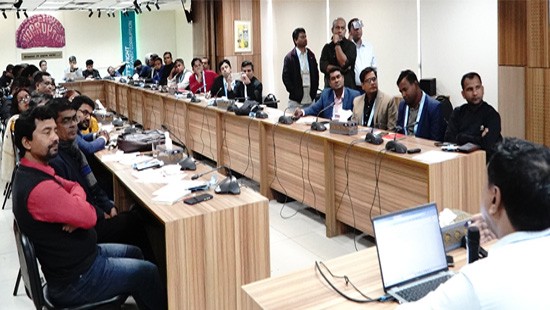
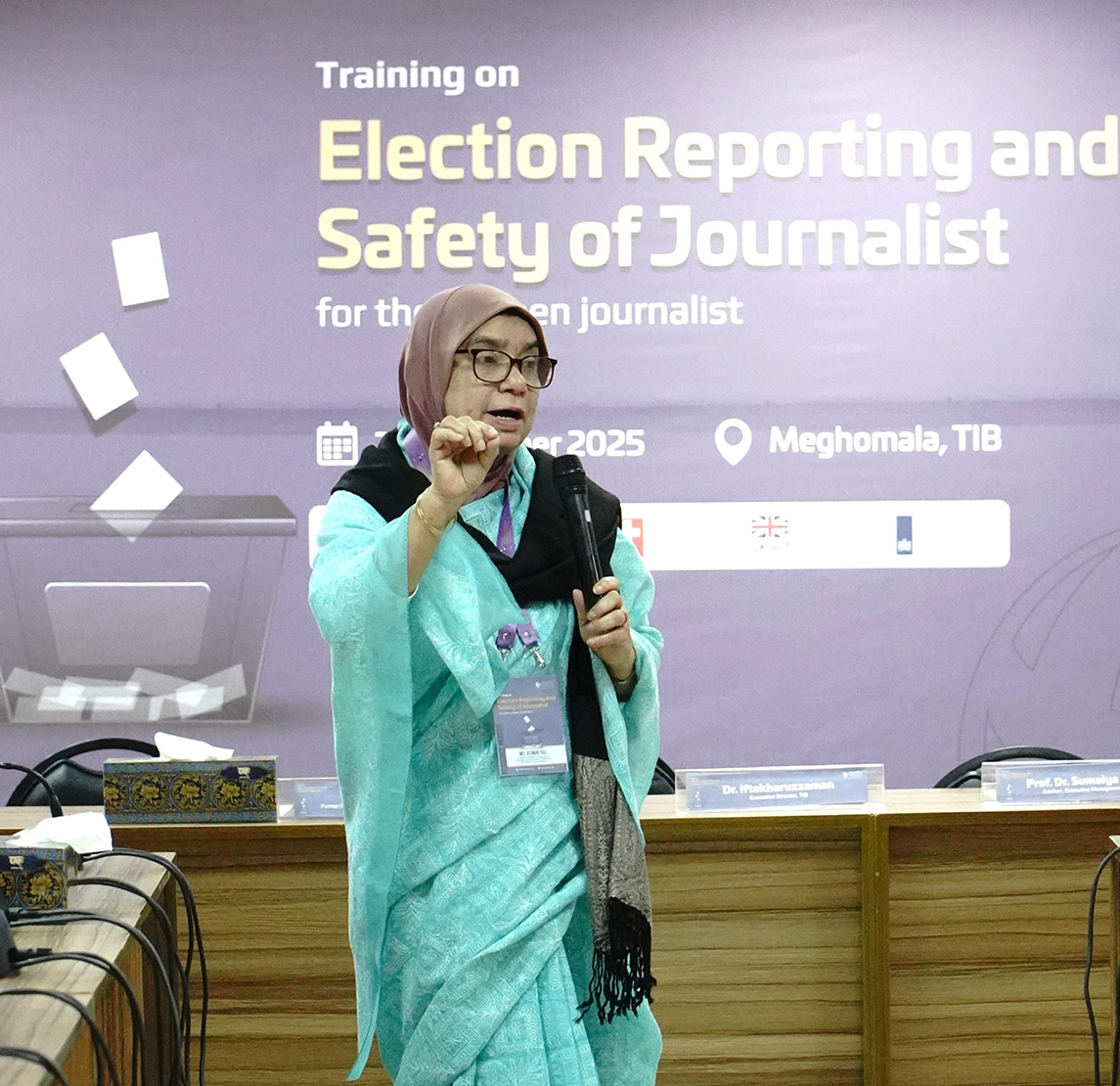
 Jesmin Tuli, Former Additional Secretary of the Election Commission and Member of the EC Reform Commission, explained that political pressure and systemic weaknesses create a hostile environment for journalists, particularly women. She advised understanding election laws deeply, documenting irregularities, and using institutional mechanisms to safeguard both reporting integrity and personal safety. Shakhawat Liton, Executive Editor of The Business Standard, highlighted how harassment and exclusion are often tools of political control. He emphasized that knowledge of the Representation of the People Order (RPO), election codes of conduct, and political manifestos equips women journalists to report confidently and uphold professional integrity.
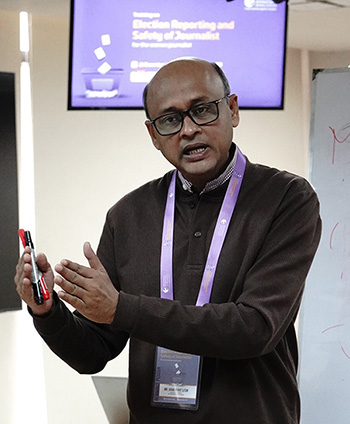
Md Mahfuzul Haq, Senior Research Fellow at TIB, introduced Election Process Tracking (EPT), showing how journalists can use data to verify claims, detect irregularities, and strengthen reporting credibility in challenging environments. Taptun Nasreen, DIG (Finance) Bangladesh Police, focused on women-specific safety measures, covering pre-field preparation, crowd management, digital security, legal rights, and police support. Her session translated policies into actionable strategies, giving women journalists tools to assert their right to report safely.
Moving Forward with Purpose
Through these sessions, the training did more than convey information. It connected systemic causes to practical remedies, transforming experiences of exclusion, harassment, and intimidation into actionable strategies for safer, more effective, and ethically responsible election reporting. Participants left not only with technical knowledge but with a clear understanding of why challenges happen, their impact on democracy, and how to protect themselves while upholding journalistic integrity.
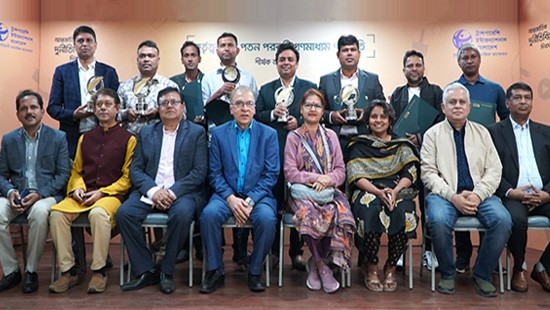
At the closing session, Dr Iftekharuzzaman handed over certificates to the participants, marking not just the end of a training program but a reaffirmation of TIB’s commitment to standing with women journalists as they continue to safeguard truth in an increasingly challenging environment.