Published: 15 December 2025
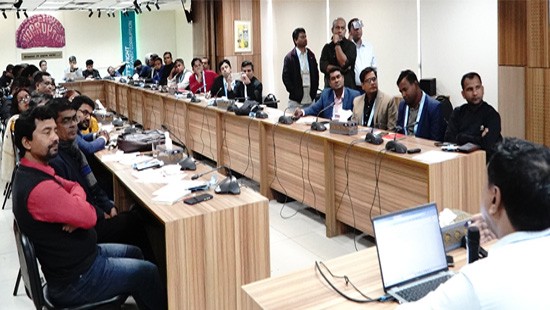
Transparency International Bangladesh (TIB) marked International Anti-Corruption Day (IACD) 2025 with a discussion on "Bangladesh's Media Landscape After the Fall of Authoritarianism" at its Dhanmondi office. The event gathered journalists, media leaders, and civil society representatives to assess press freedom and ongoing reform challenges in the country. The keynote paper was presented by Zafar Sadiq, Deputy Coordinator of TIB’s Outreach and Communication Department. His presentation analyzed the historical trajectory and legal framework of the media in Bangladesh, the challenges facing media institutions and journalism, modes of registration and ownership, and offered an in-depth discussion of the current media environment following the fall of the authoritarian regime.
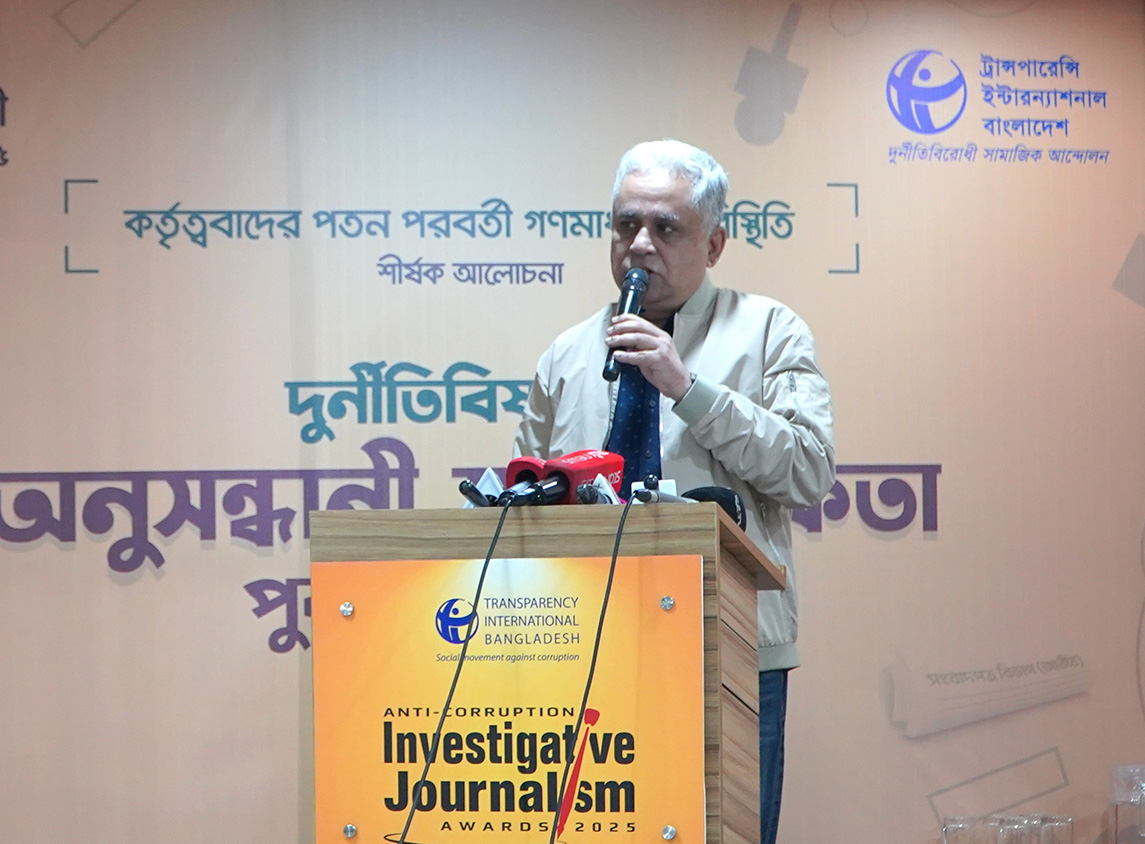
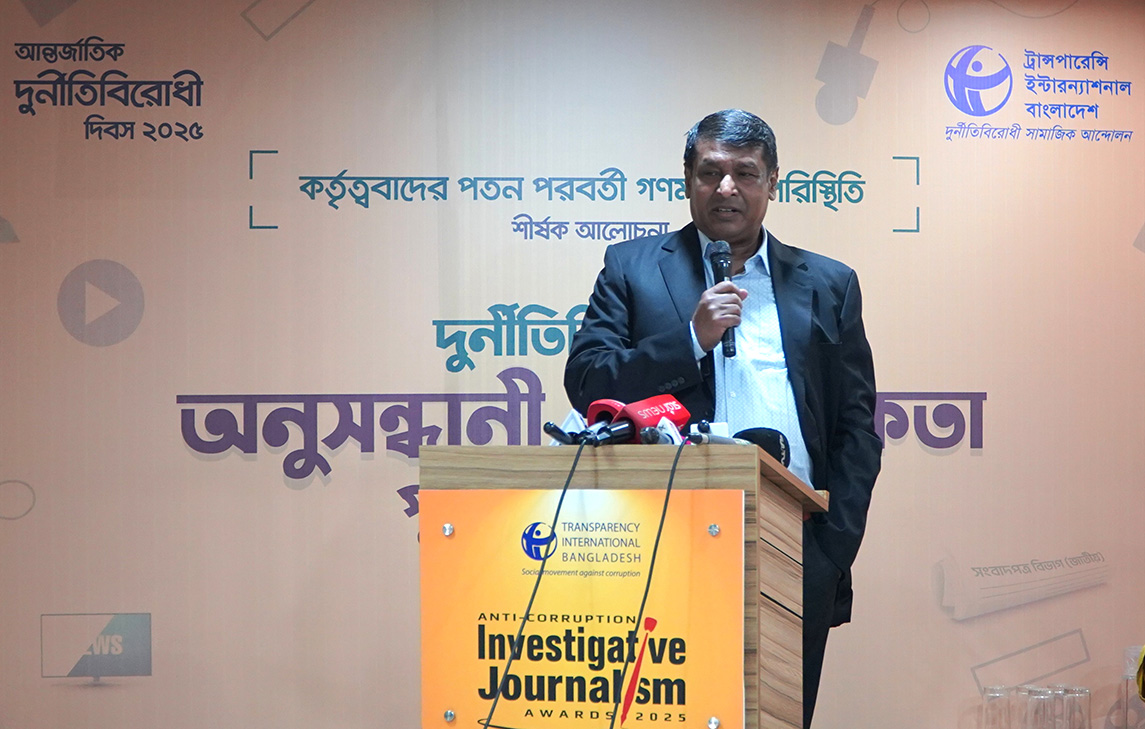
Executive Director Dr. Iftekharuzzaman observed that despite media being a producer of essential public goods, successive governments in Bangladesh have treated journalists as adversaries rather than partners in public service. He traced the country's authoritarian trajectory through a zero-sum political culture that developed over decades and solidified into kleptocracy during the past 15 years.
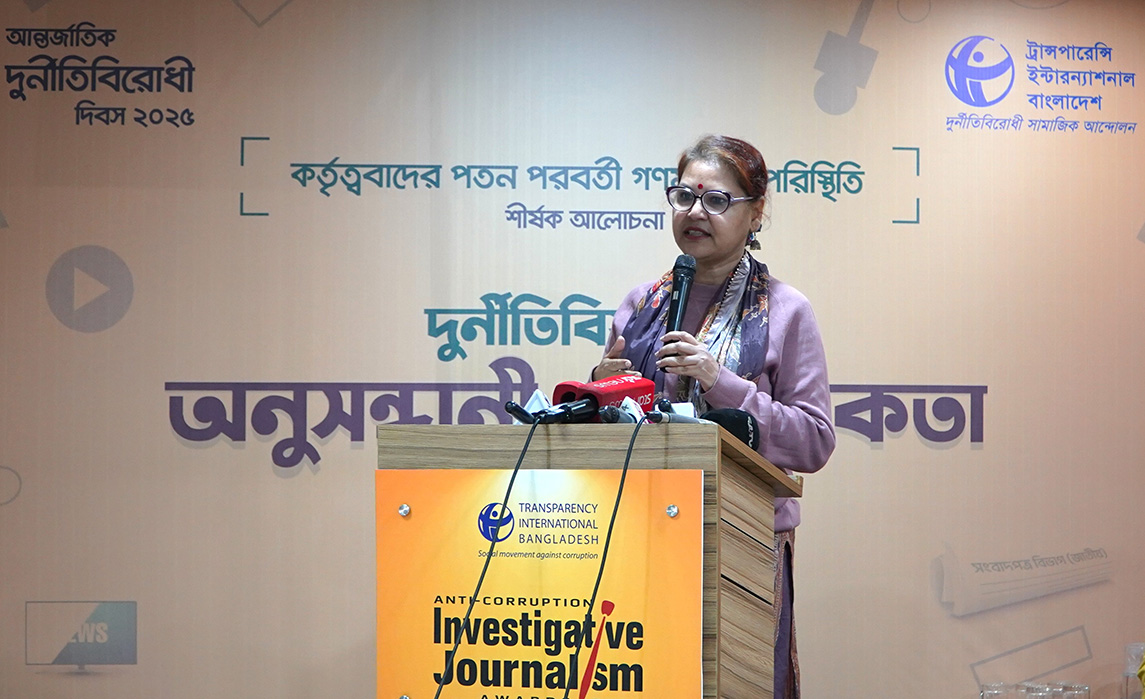
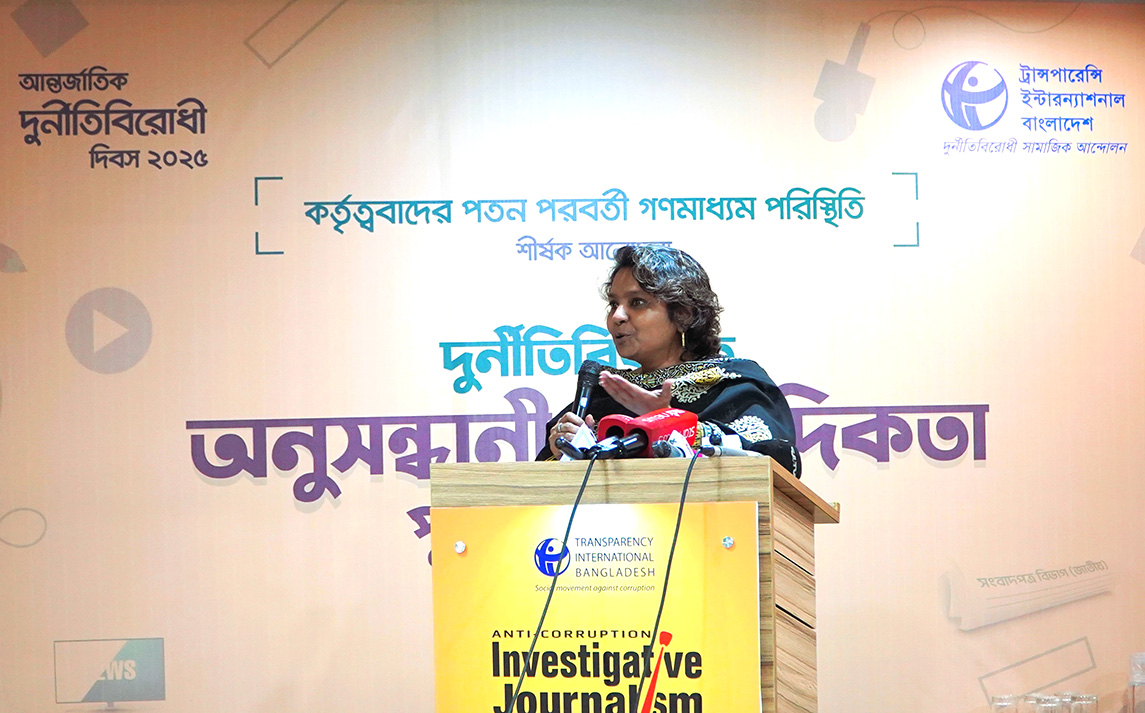
The media landscape provides a microcosm of this larger dysfunction. AFP Bangladesh Bureau Chief Sheikh Sabiha Alam offered a measured optimism, noting that journalism will defeat pseudo-journalism and that strong reporting has persisted despite challenges. Yet her colleagues painted a more troubling picture. Dhaka Tribune Editor Reaz Ahmad spoke of a polluted media environment where licenses are distributed without clear grounds, eroding public trust. The system has become so manipulated that no one can even claim the media is not free, he noted, because a framework exists where anyone can obtain a license.
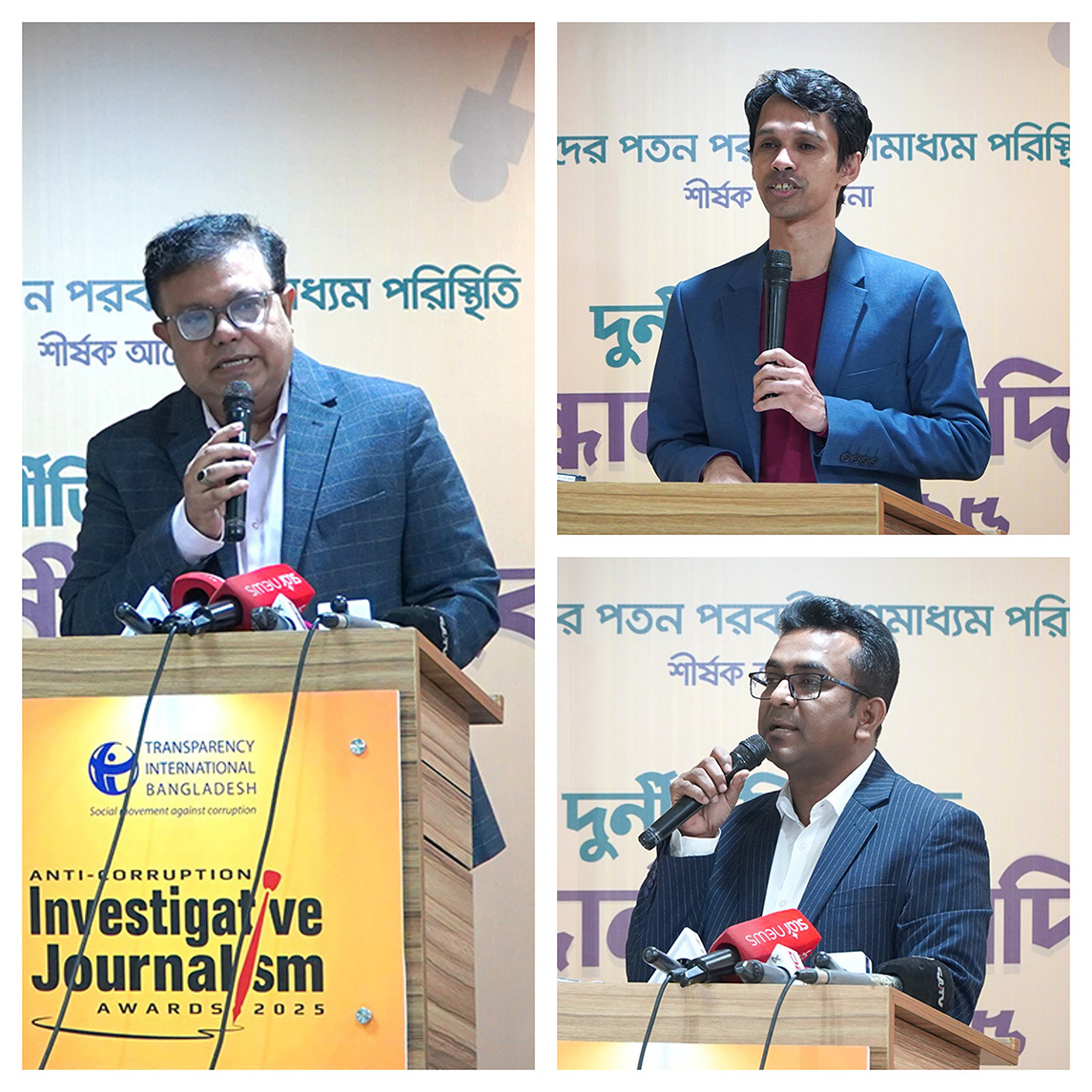
This paradox captures the essence of Bangladesh's reform dilemma. The appearance of openness masks deeper structural rot. Since August 2024, the country has witnessed rampant partisanship, politically motivated arrests, and a continuation of practices that characterized the previous regime. Some within the media who now consider themselves victorious have adopted a mindset of "now it's our turn," desperately trying to perpetuate the same corrupt practices. This mentality, Dr. Iftekharuzzaman cautioned, pushes the emerging possibilities for reform towards failure.
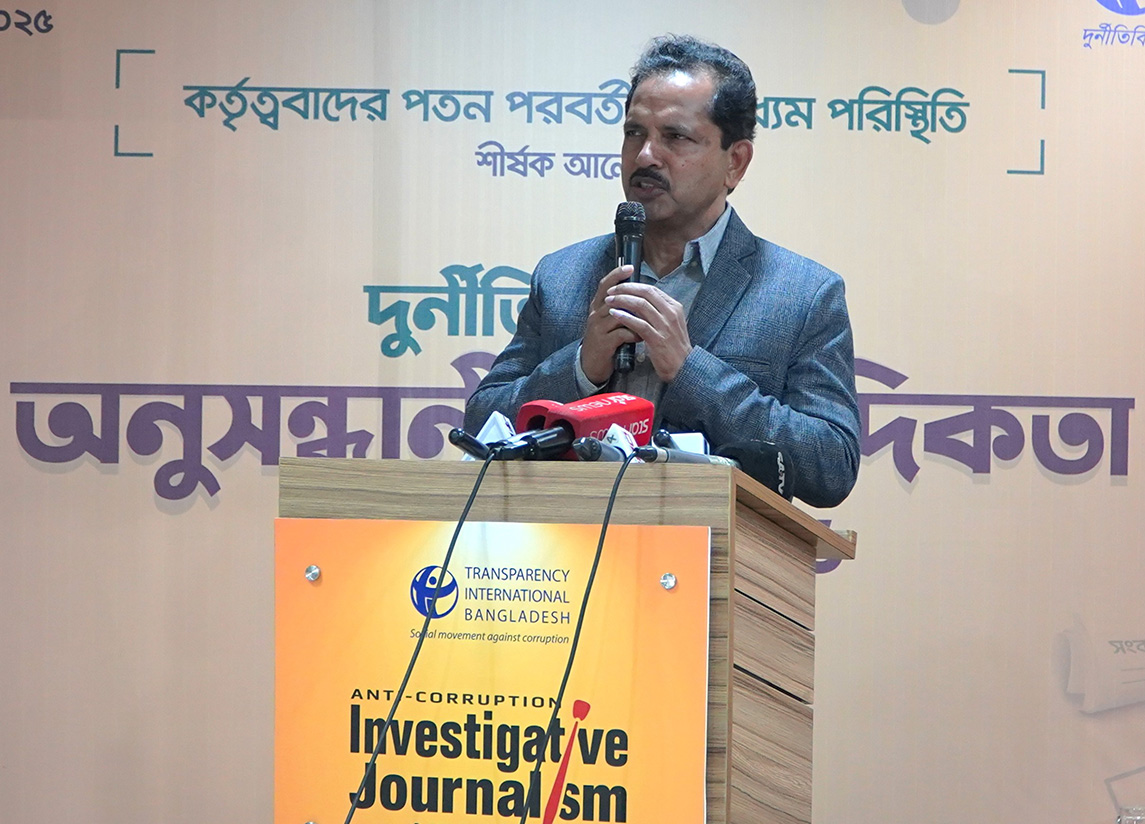
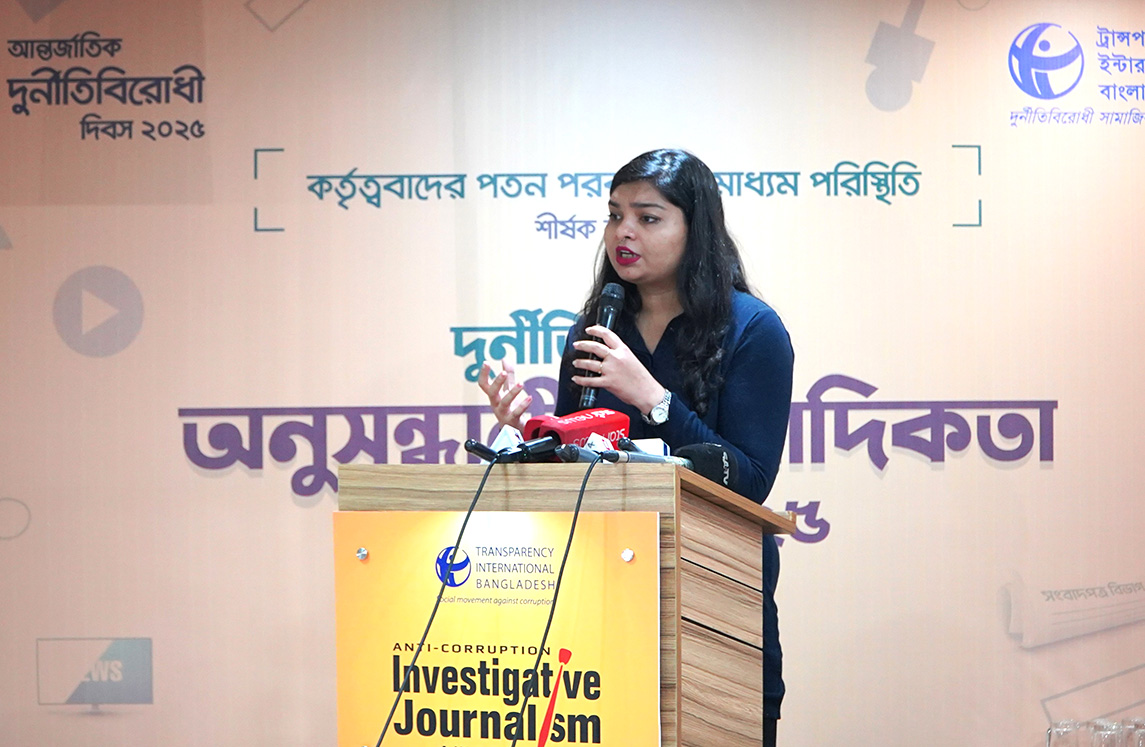
The complicity runs deep. Former Channel 24 Executive Director Talat Mamun acknowledged that after authoritarianism collapses, new forces emerge. Journalists must prepare themselves to deal with those. Senior journalist Shahnaz Munni highlighted that despite discussions about establishing a Media Commission and implementing its recommendations, little progress has been made.
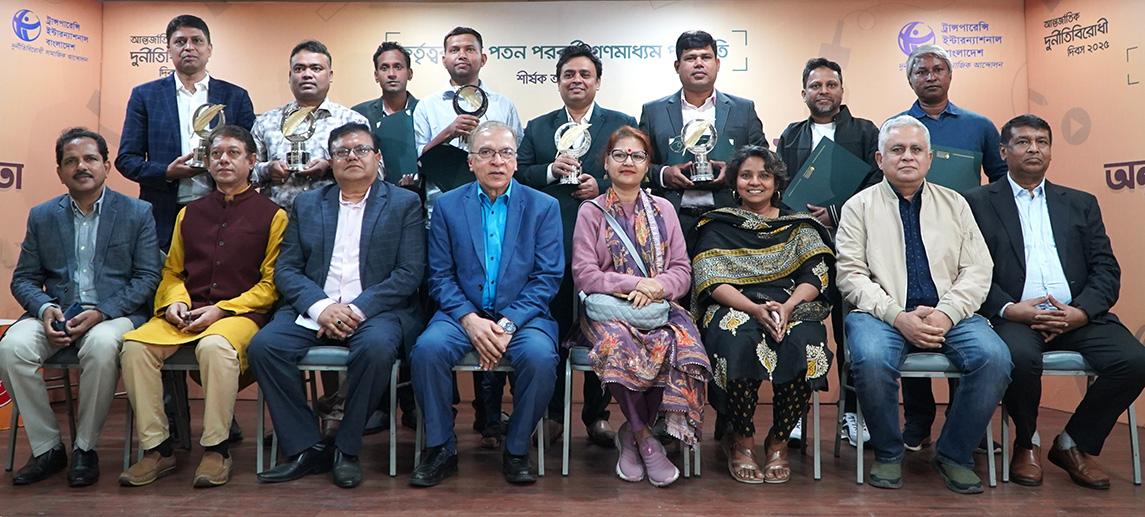
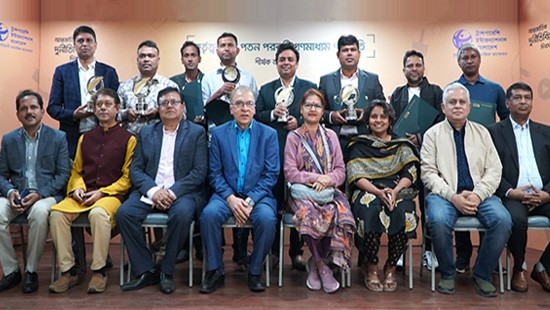
After the discussion session, TIB announced the winners of the Anti-Corruption Investigative Journalism Awards (IJA) 2025. This year, four journalists and one documentary program were honored across different categories. In the Regional Newspaper category, the winners are Faisal Islam, Senior Staff Reporter of Daily Gramer Kagoj (Jashore), and Staff Reporter Ashiqur Rahman Shimul. In the National Newspaper category, the award went to Rashidul Hasan, Senior Staff Reporter of the English daily The Daily Sun. In the Television (Report) category, the winner is Mufti Parvez Nadir Reza, former Special Correspondent of Ekattor Television (currently Head of Input and Planning Editor at Channel One). Each winner received a certificate of recognition, a crest, and a prize of BDT 125,000. In the Television (Documentary Program) category, the winning entry is Searchlight, a documentary program aired on Channel 24. The investigation and presentation were led by Md. Faizul Alam Siddique, former Special Correspondent of the Searchlight team (currently Special Correspondent at Star News). The winning documentary received a certificate of recognition, a crest, and a prize of BDT 150,000.
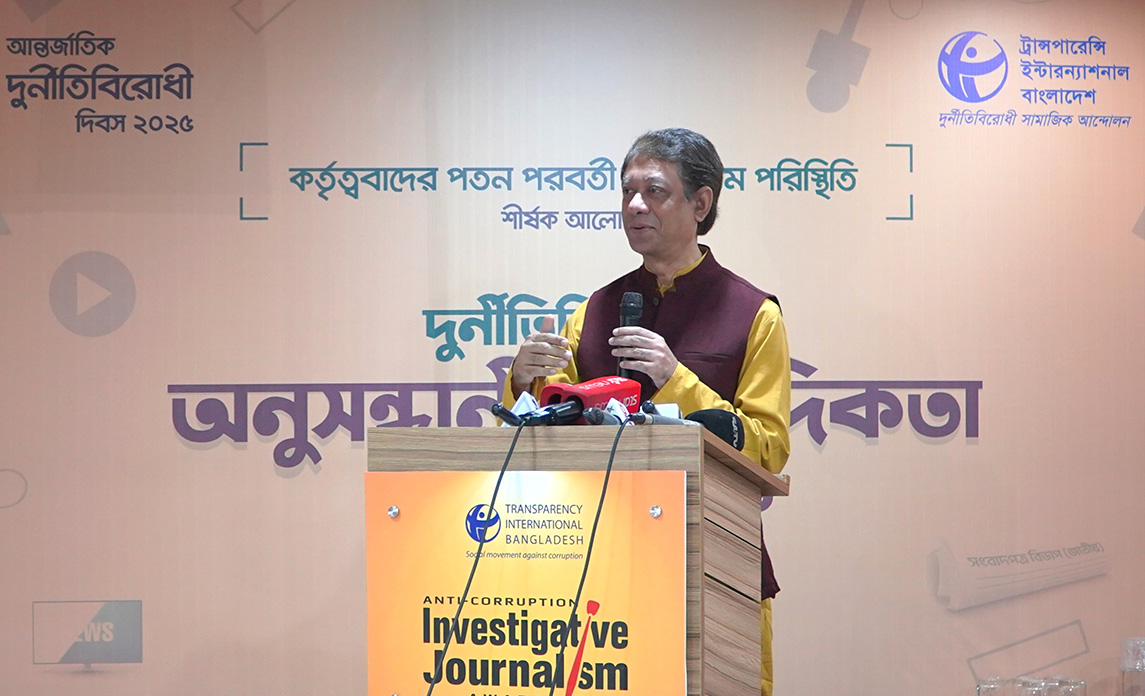
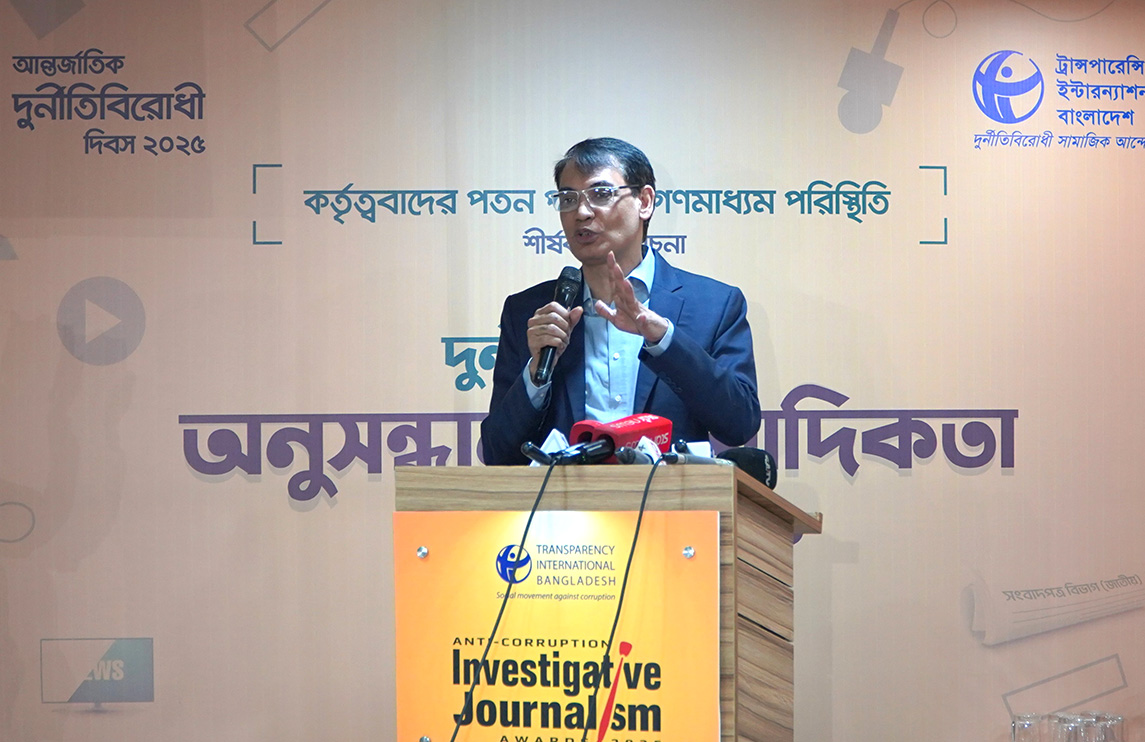
Yet awards and recognition, while essential for inspiring journalists, cannot substitute for systemic transformation. Professor Dr. Shameem Reza from Dhaka University's Department of Mass Communication and Journalism joined other panelists in emphasizing that journalism must continue despite challenges. The more it persists, the more public confidence will grow. It demands an environment where truth-telling is protected rather than punished, where journalists can operate without fear of surveillance or reprisal, and where bureaucratic structures serve rather than obstruct accountability.
Dr. Iftekharuzzaman's conclusion carried both cautioning and challenge. For true reform to take root, he contended that both the political culture and the bureaucratic structure must change. Without that fundamental transformation, the cycle will repeat. Citizens who rose up to demand accountability will find themselves once again needing to unite against a system that has merely changed its facade while preserving its essence. The technical aspects of reform, the policies and procedures and commissions, matter less than the underlying shift in how power operates and for whose benefit.
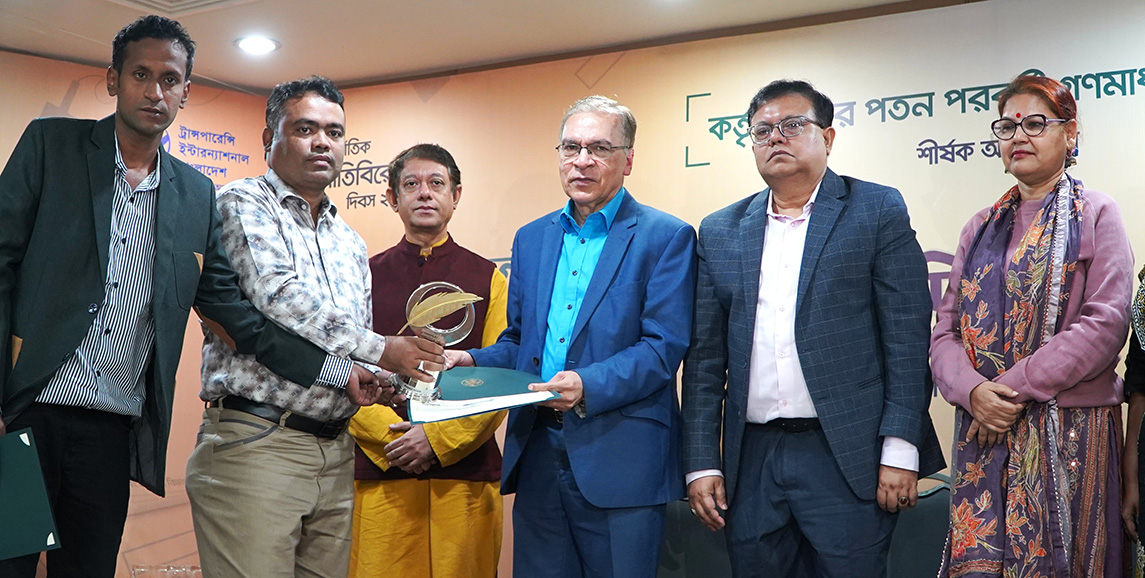
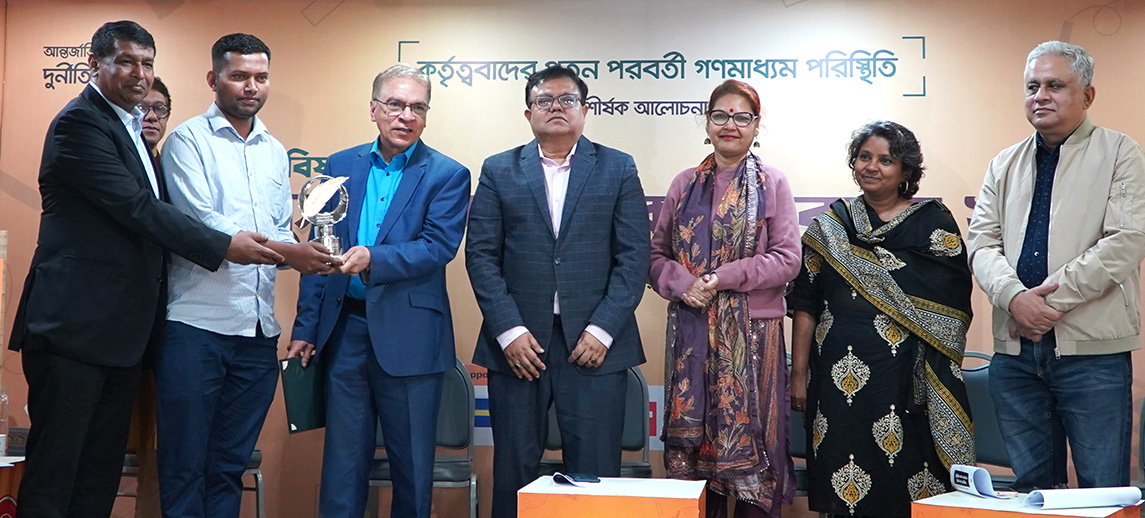
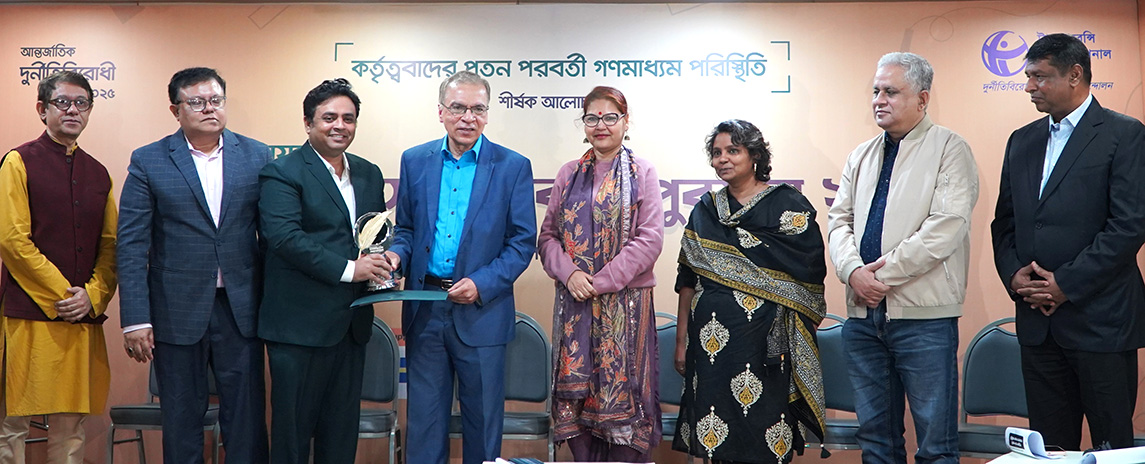
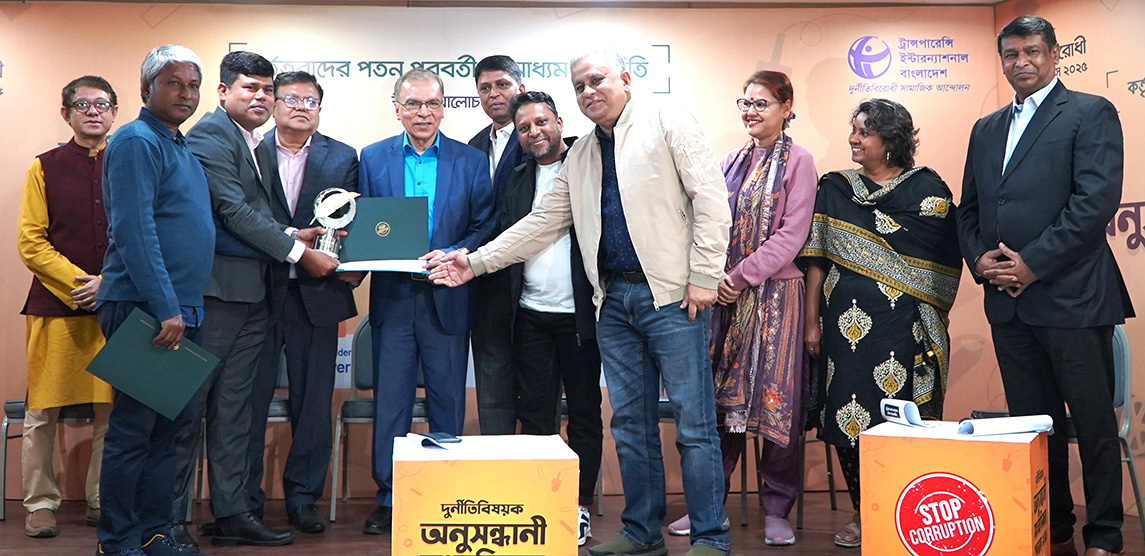
The journalists honored by TIB demonstrate that individual courage and professional commitment can illuminate dark corners of power. The transformation of political and bureaucratic culture will not happen quickly or easily. IACD 2025 thus marked not a celebration of achievement but a clear-headed assessment of how far the journey remains.