Published: 14 December 2025
In a country where climate change is not a distant threat but a present reality—where floods, cyclones, and rising seas reshape lives annually—the judiciary's role in environmental protection has never been more critical. Yet Bangladesh ranks among countries with the most significant gaps in environmental law enforcement, according to national research and international analysis including from the United Nations Environment Programme (UNEP).
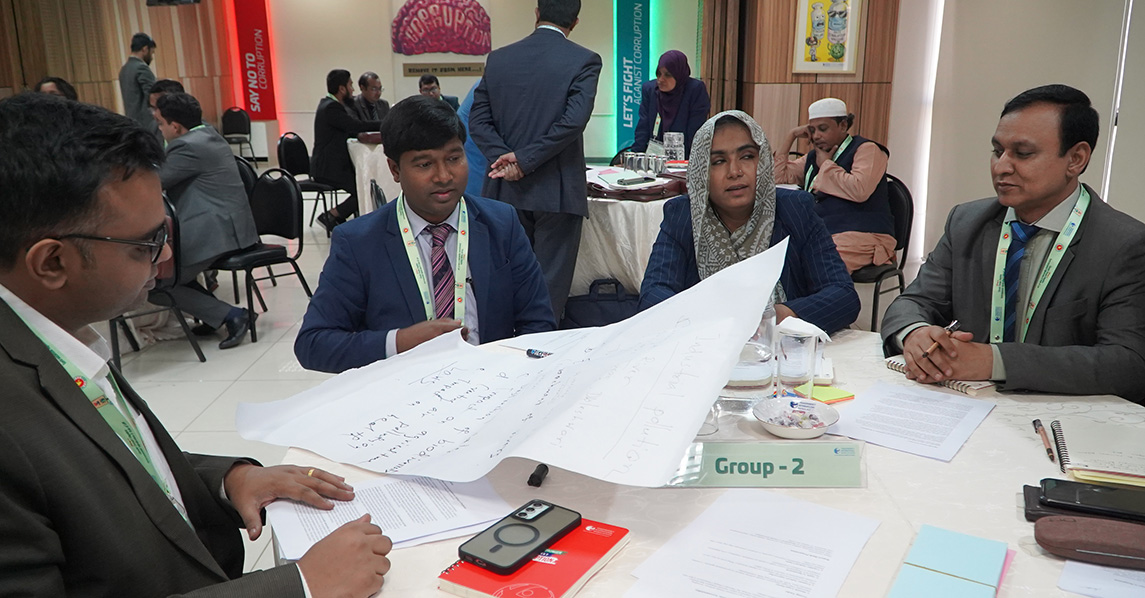
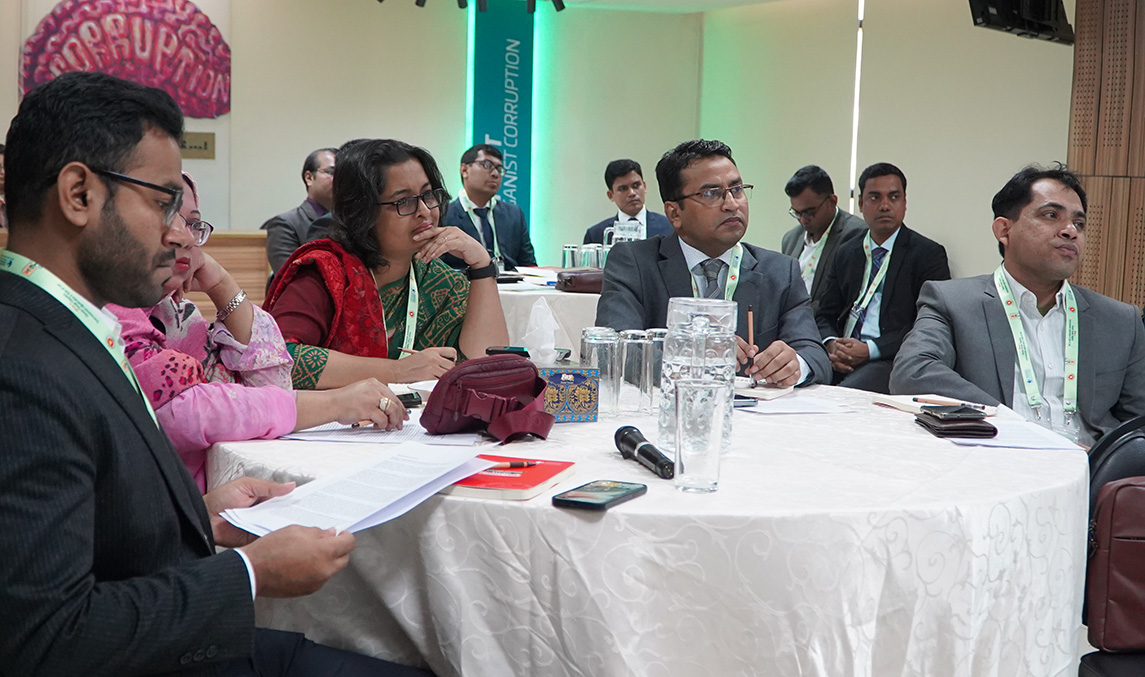
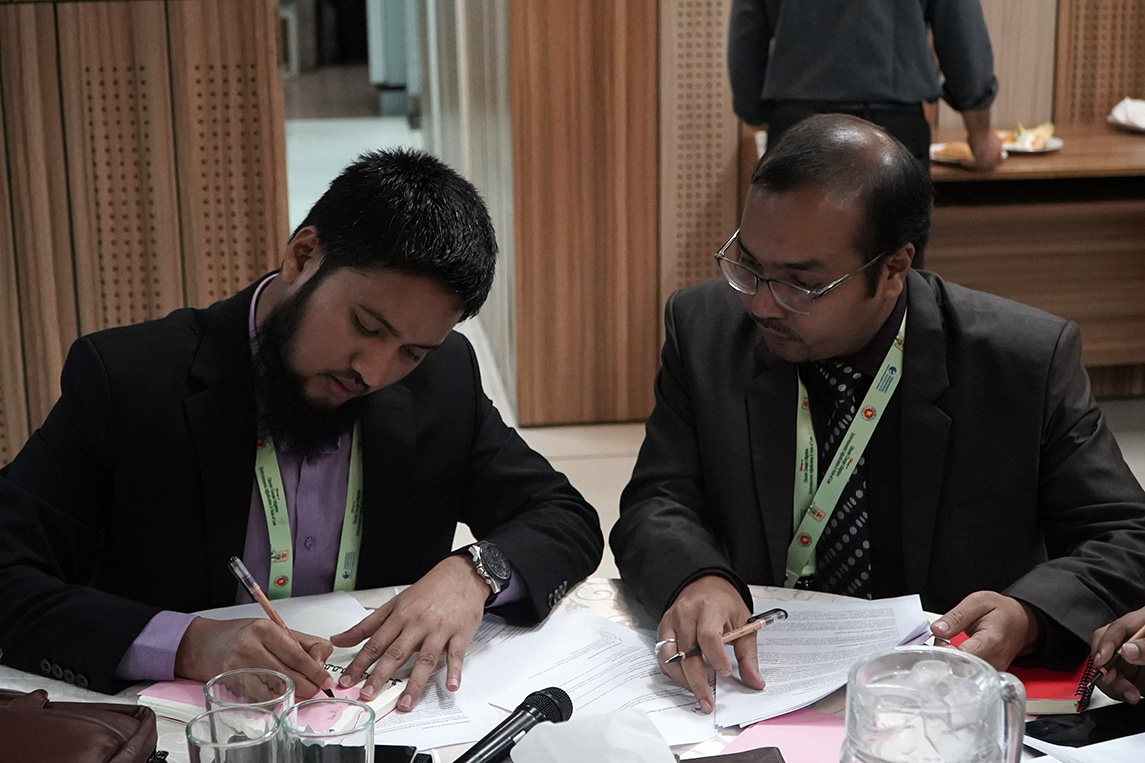
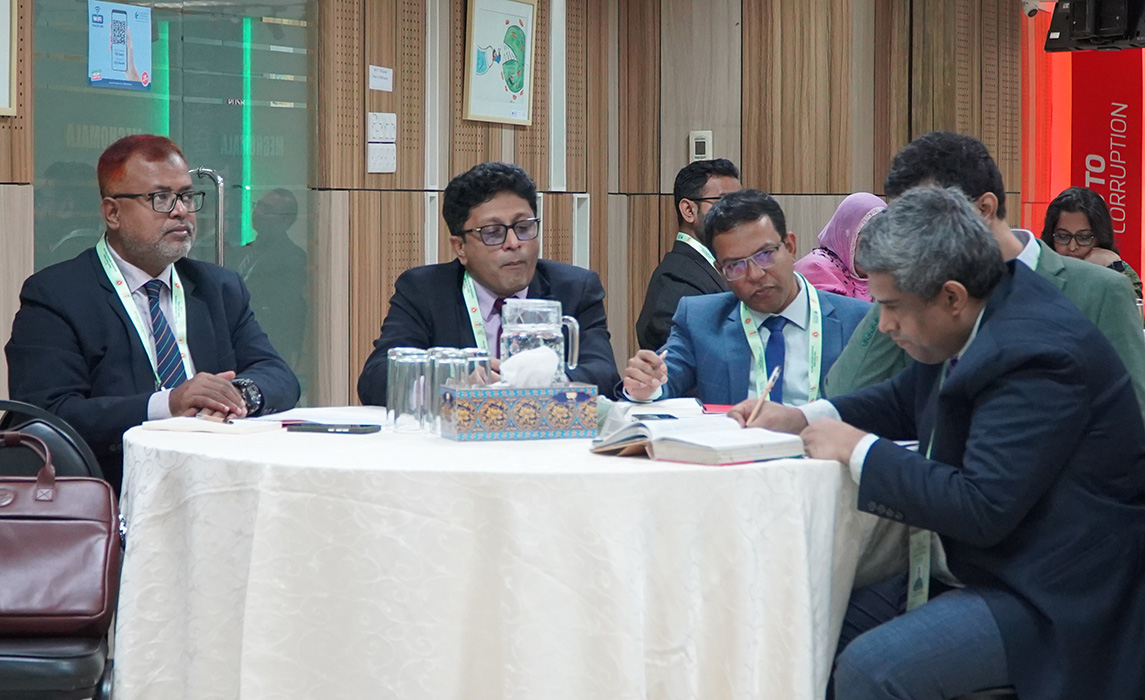
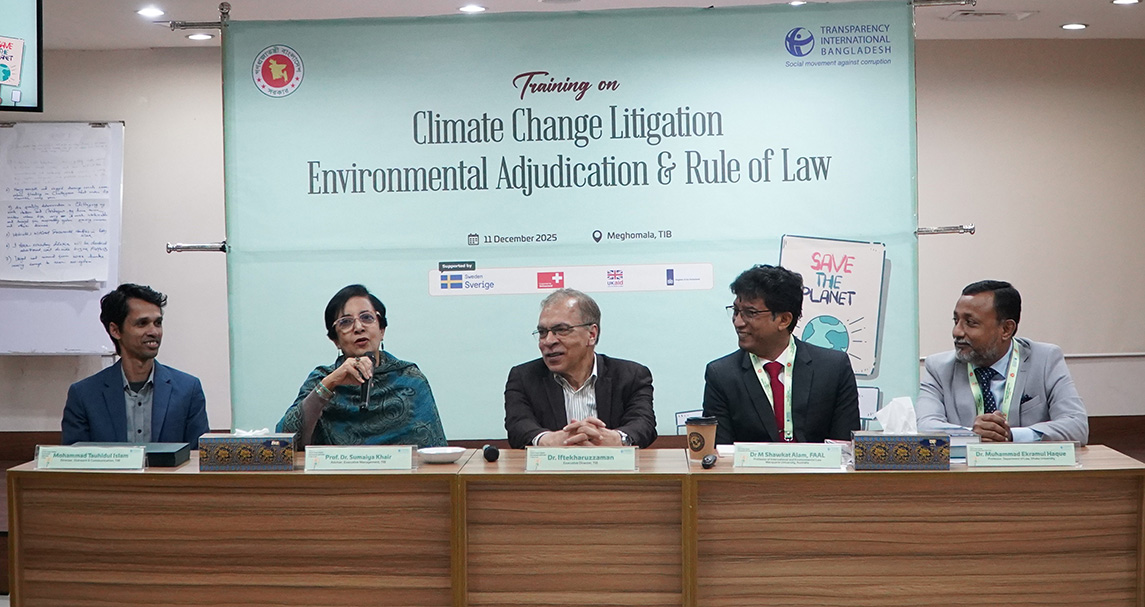
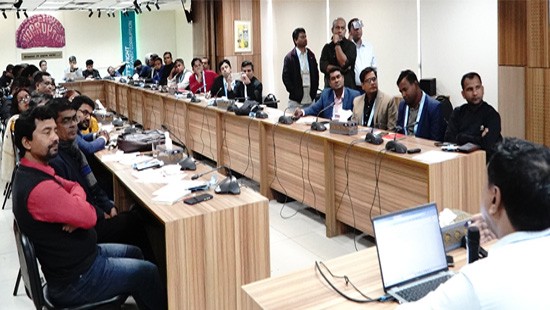
"We have the laws," stated a judge at a training workshop in Dhaka last Thursday. "What we require is the knowledge to implement them effectively." To address this knowledge shortfall, Transparency International Bangladesh (TIB) Organized a day-long training workshop in consultation with the Bangladesh Supreme Court and the Ministry of Law that convened 25 judges on climate change litigation and environmental adjudication on 11 December at its Dhaka office. The workshop featured two expert trainers of law background - Professor Shawkat Alam from Australia's Macquarie University, who provided international perspectives on climate litigation, and Professor Muhammad Ekramul Haque from Dhaka University, who offered insights grounded in Bangladesh's legal framework.
Dr. Iftekharuzzaman, TIB's Executive Director, in his opening remarks said, "National research and international analysis, including from UNEP, indicate that Bangladesh faces considerable challenges in environmental law enforcement. Recognizing the importance of enhancing judicial capacity through global experience and international best practices, we have organized this workshop."
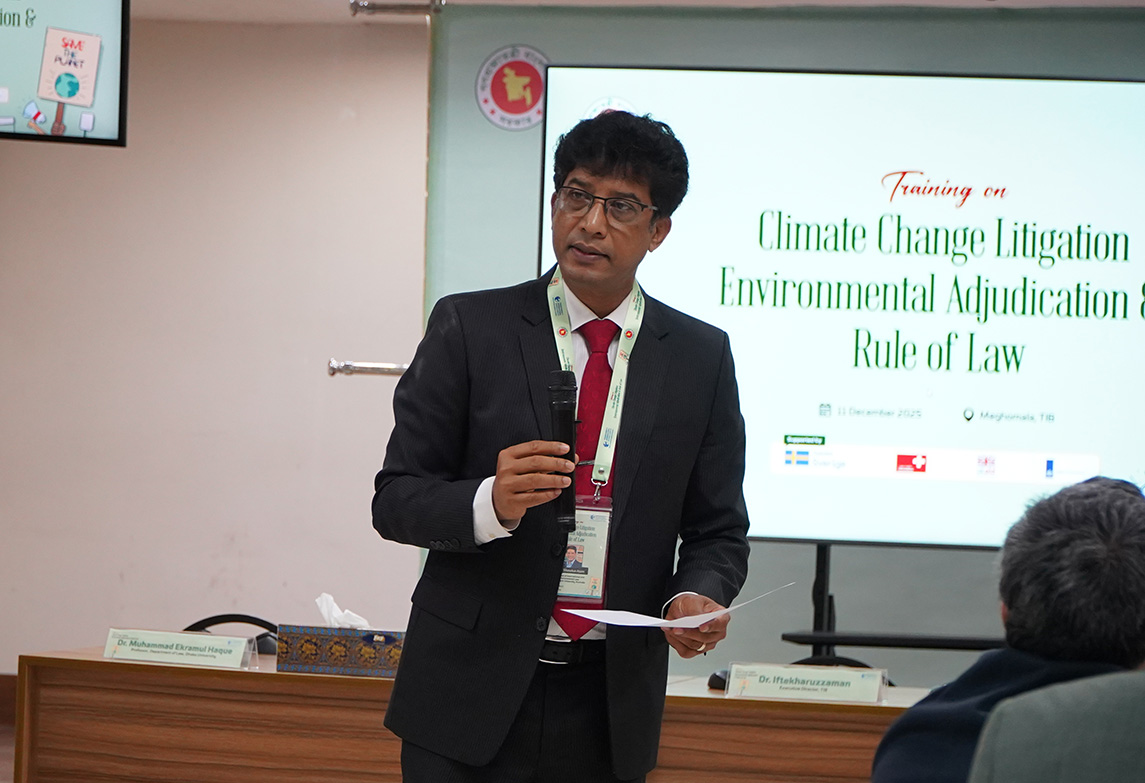
Throughout the day, Professors Alam and Haque guided participants through the complexities of constitutional and international environmental law, rule of law principles, and good governance frameworks. They examined climate change litigation practices globally and in South Asia, and explored judicial remedies within Bangladesh's legal system. More significantly, they facilitated candid discussions about the practical challenges judges encounter in their courtrooms.
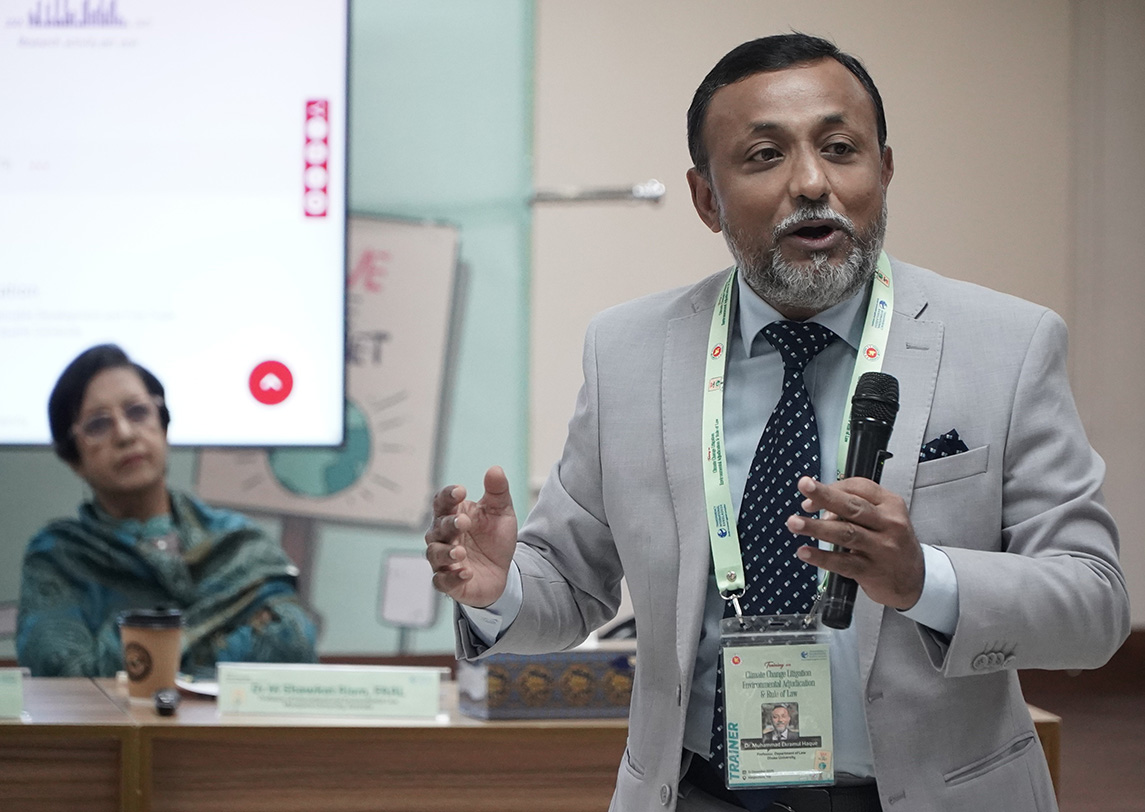
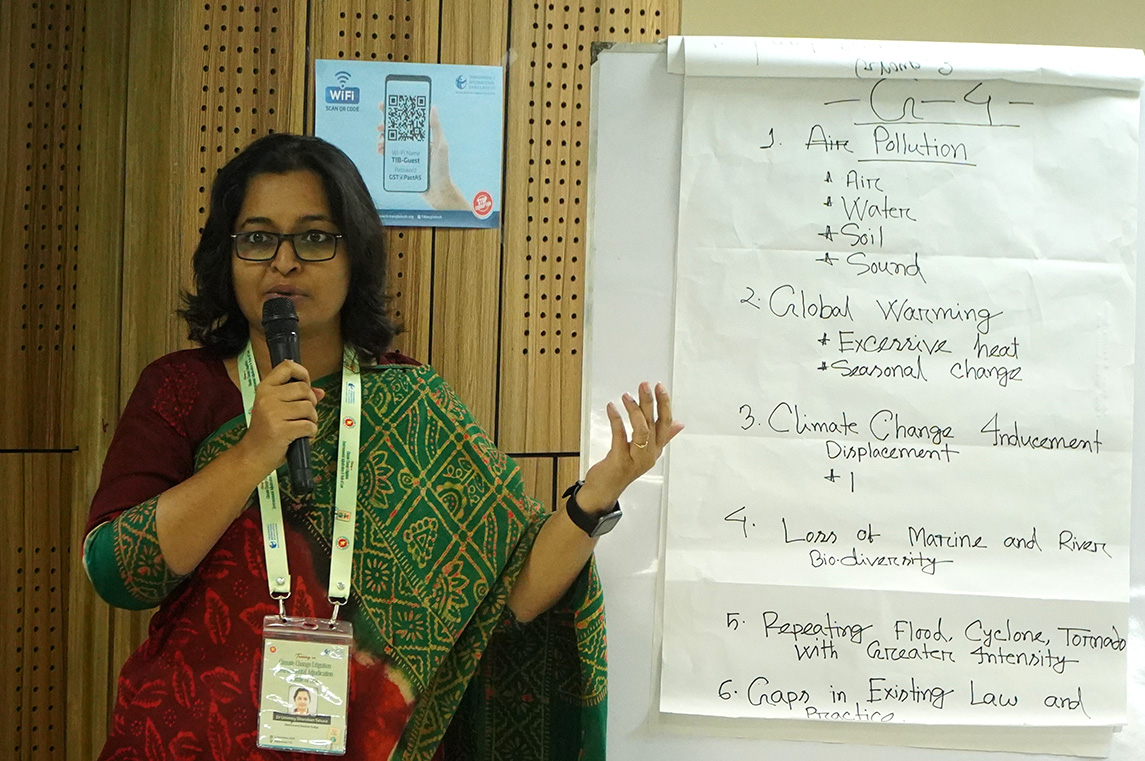
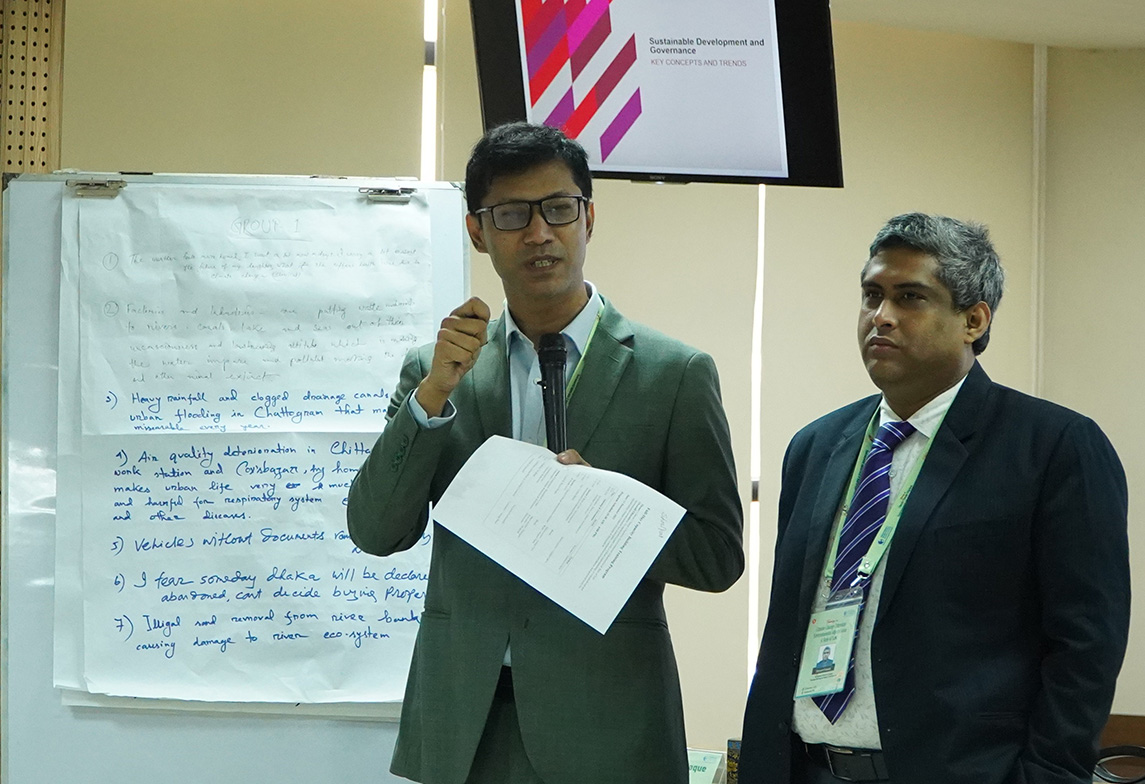
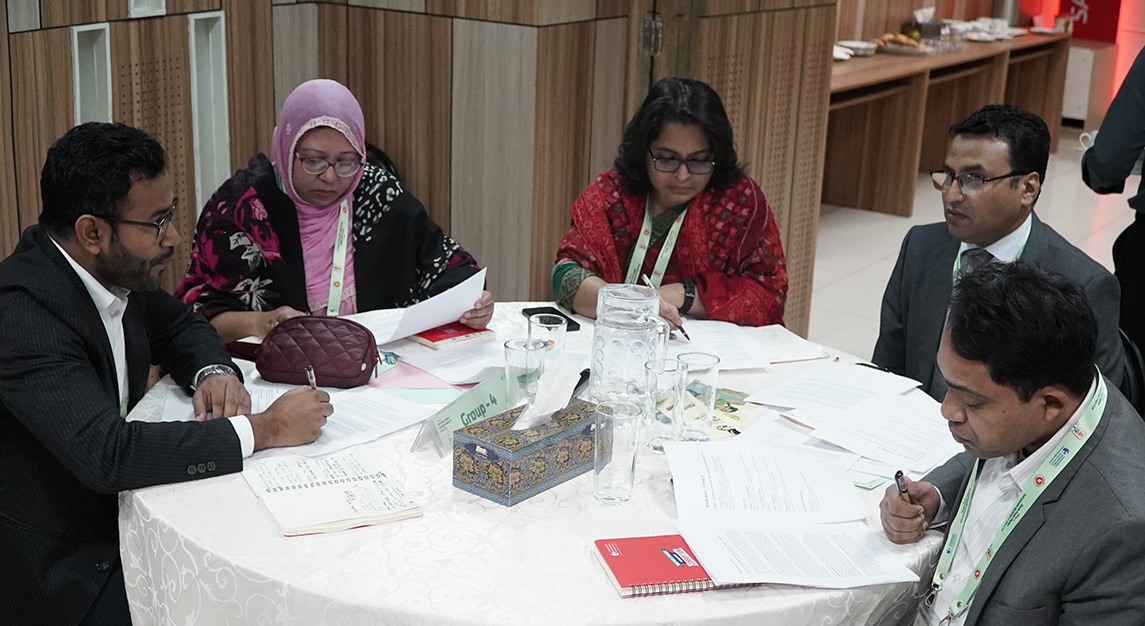
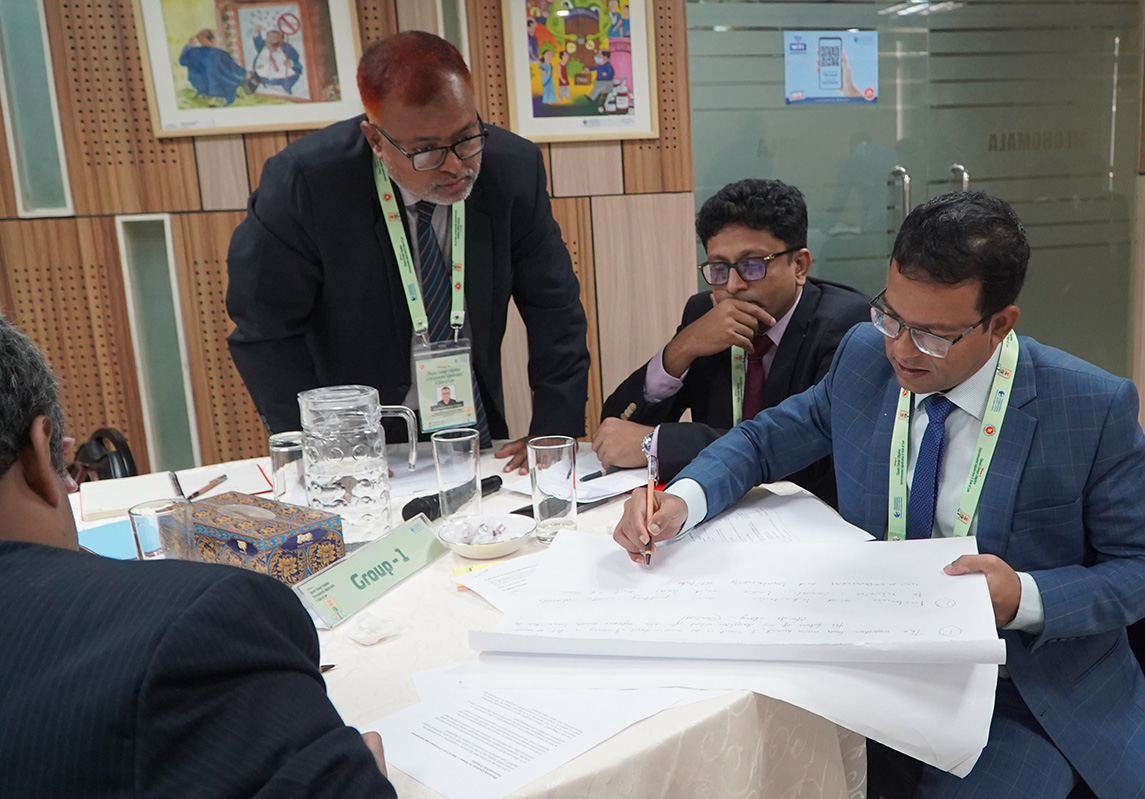
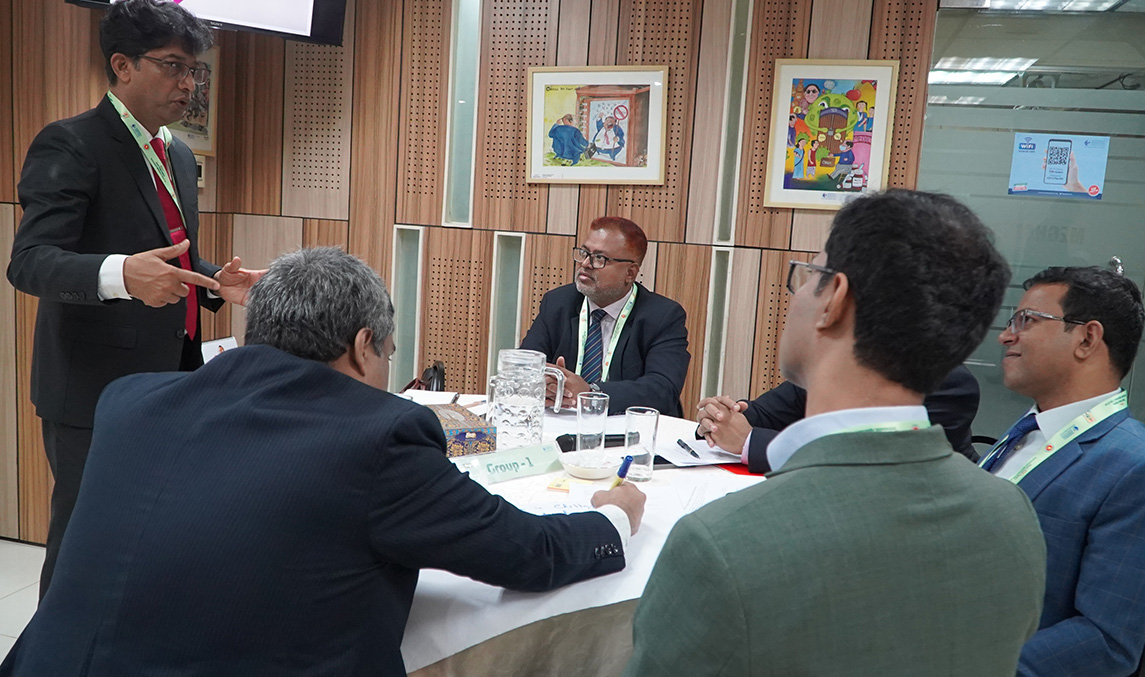
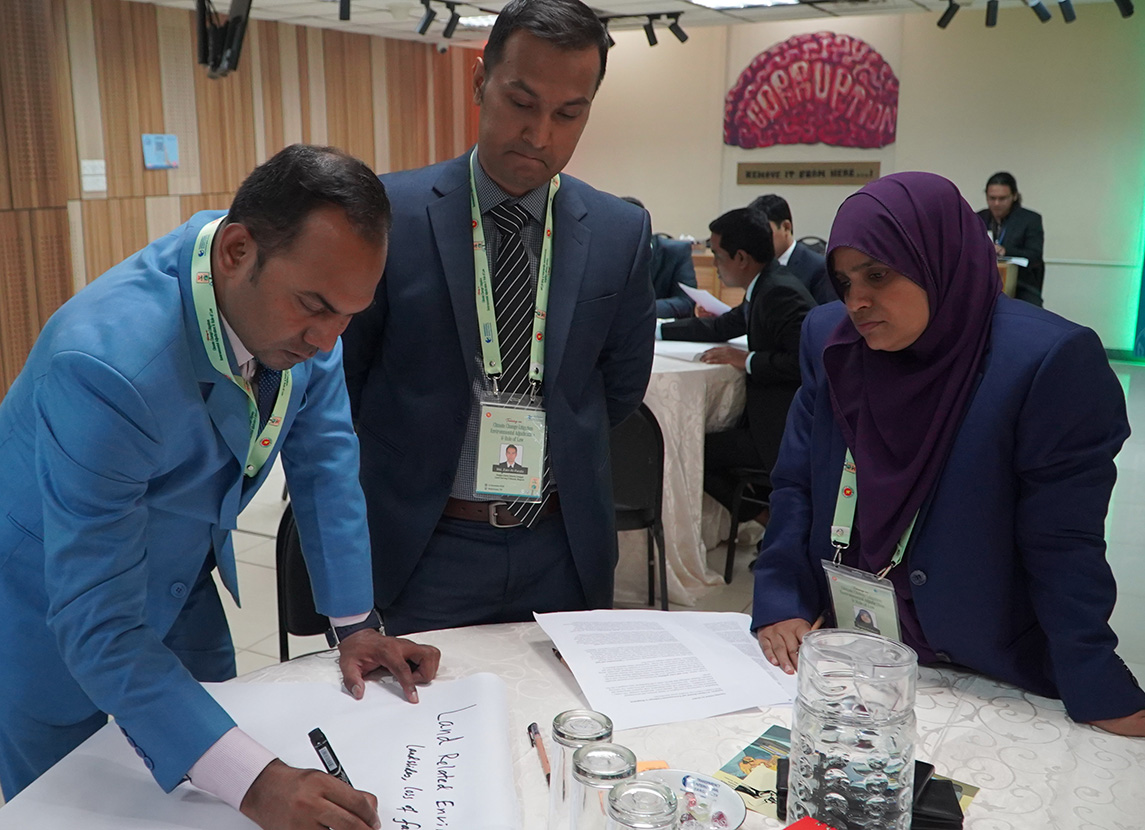
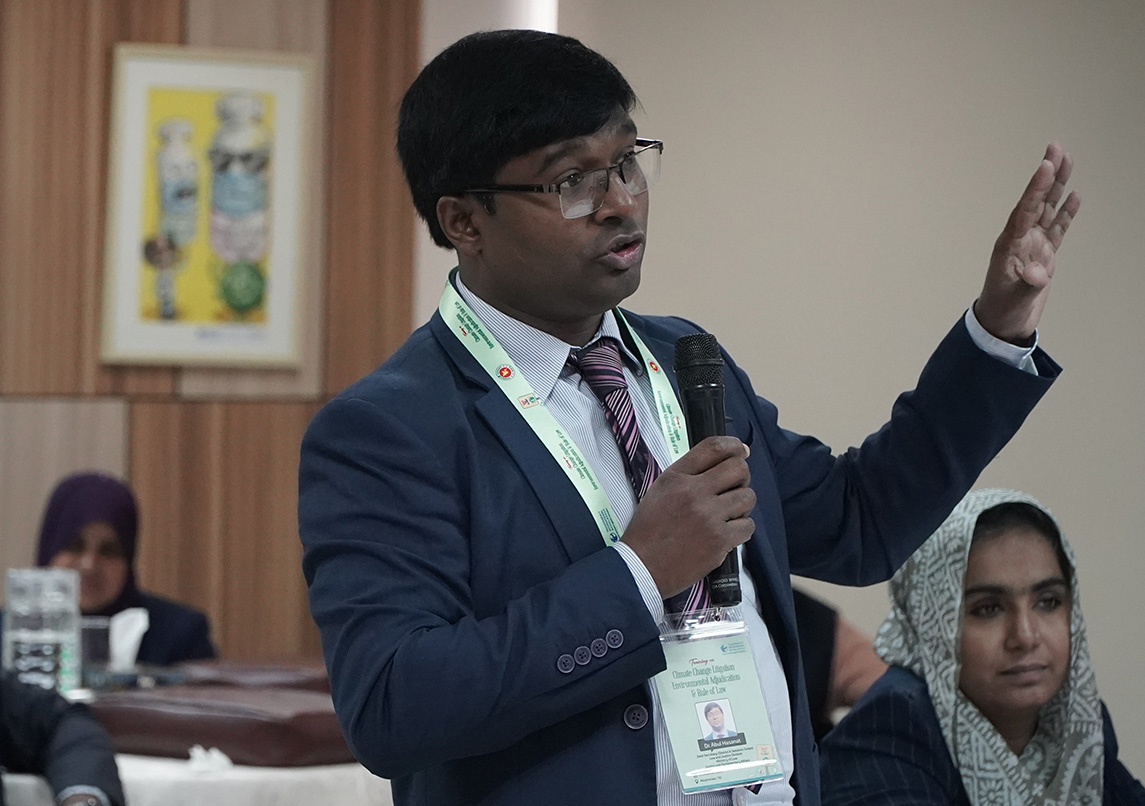
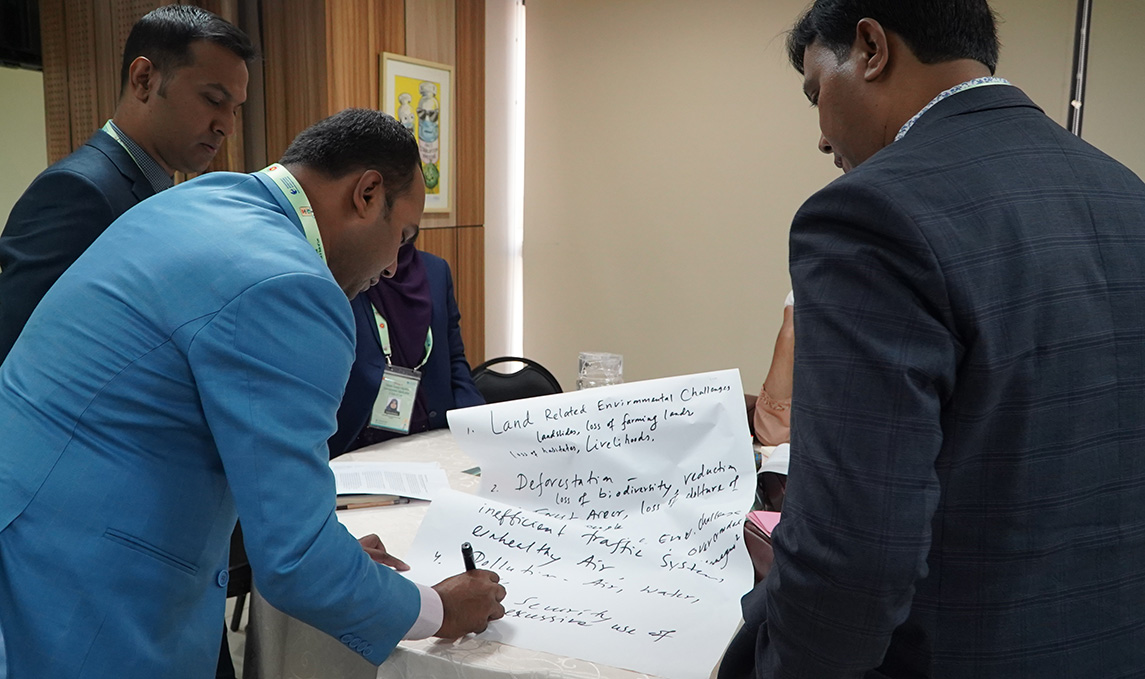
The group exercises revealed the true scope of these challenges. A senior judicial magistrate described industries that routinely disregard pollution standards, aware that enforcement remains inconsistent. Another participant judges recounted climate-displaced communities appearing in court with limited legal recourse, their cases falling into regulatory gray zones. One more judge discussed the frustration of issuing orders that executive agencies fail to implement by stating that, "Weak law enforcement, institutional complexity, and systemic limitations create barriers to effective environmental protection. However, the judiciary has a crucial role in addressing these problems."
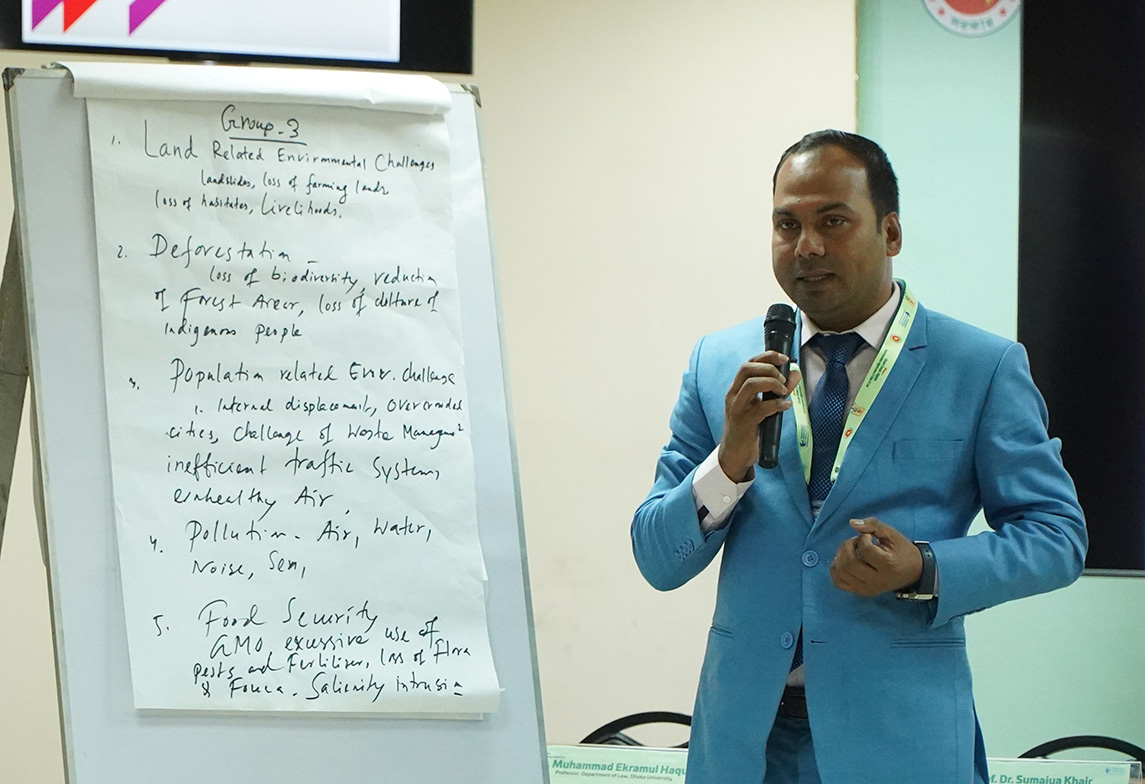

The workshop extended beyond theoretical instruction. Participant judges emphasized engaging local communities in forest conservation efforts to combat deforestation, they advocated for increased investment in modern waste management systems in urban areas to prevent waterlogging and stressed the urgent need for climate adaptation and rehabilitation programs for coastal and vulnerable populations.
Judges also learned about innovative legal approaches, precautionary principles, and environmental justice frameworks that how courts internationally employ creative interpretations of constitutional rights to protect the environment. They explored methods to expedite environmental cases and ensure compliance with judicial orders.
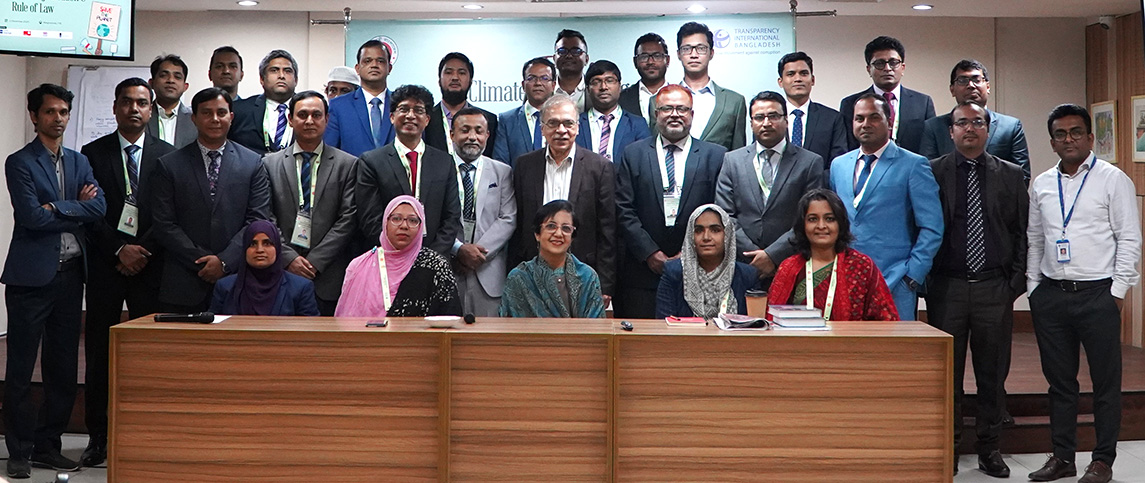
As the day concluded and certificates were distributed by Dr. Iftekharuzzaman, Professor Sumaiya Khair (TIB's Advisor-Executive Management). Professor Khair stated that, "Building judicial capacity in environmental law cannot be accomplished in a single day. It requires sustained effort, continuous learning, and institutional support.”
One participating judge expressed optimism about applying newly acquired knowledge to pending environmental cases in his district, equipped with fresh frameworks and international precedents. "We now possess better tools to enforce environmental protection," he stated.