Published: 30 November 2025
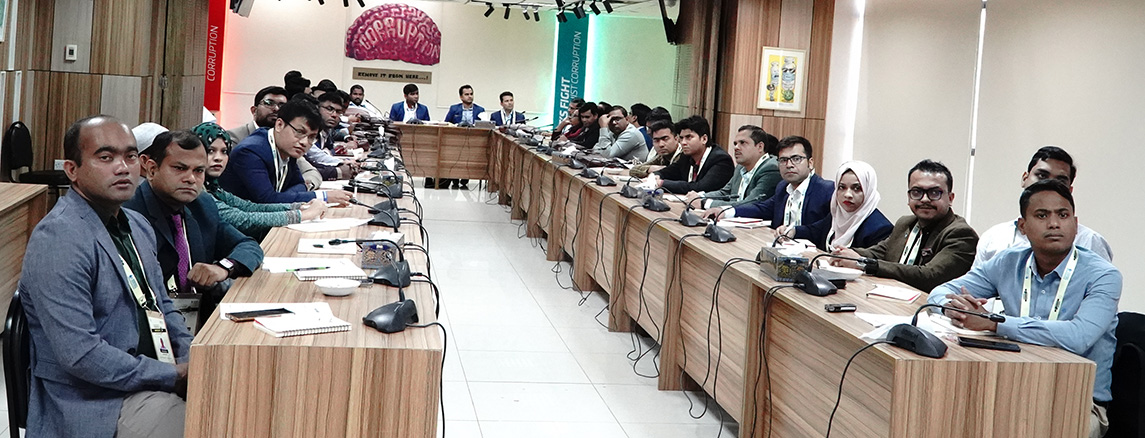
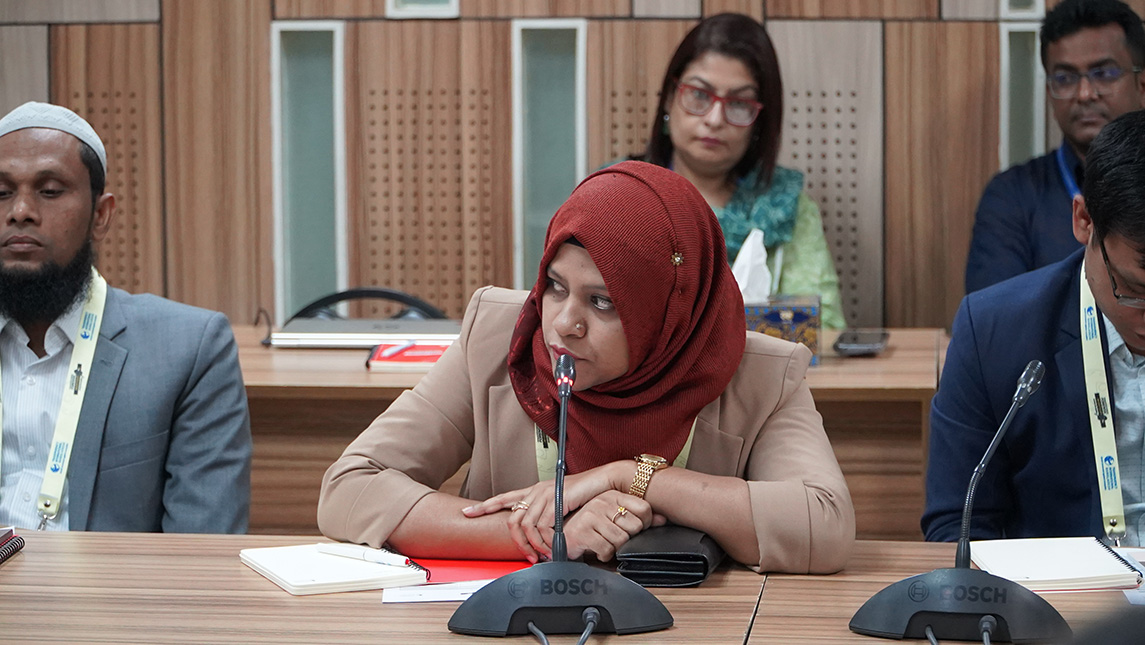
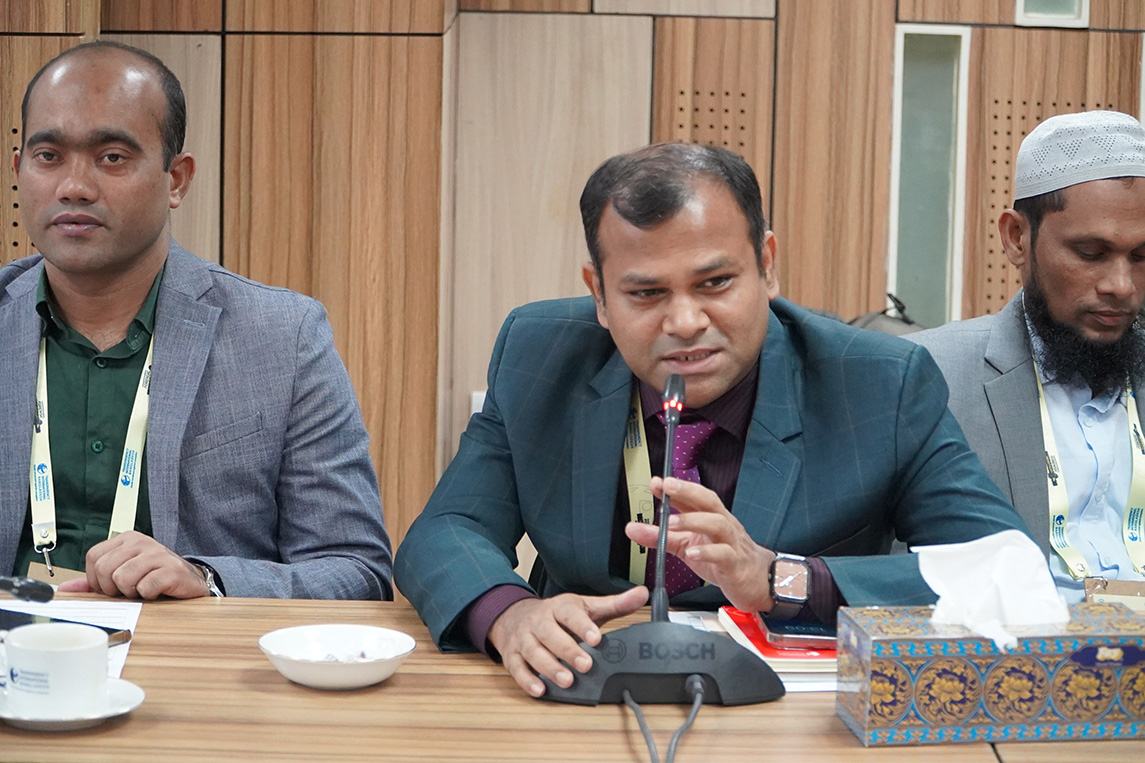
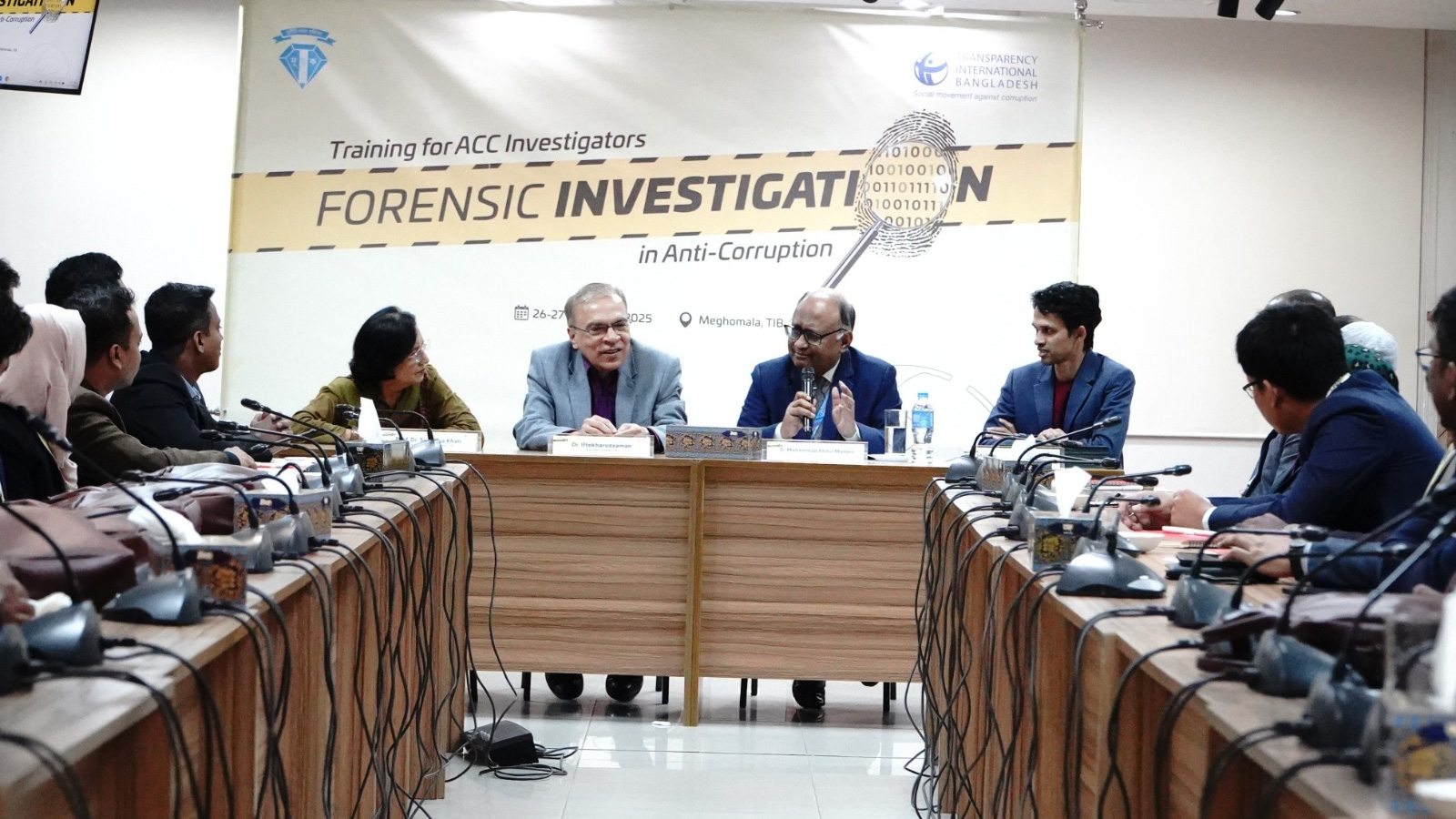
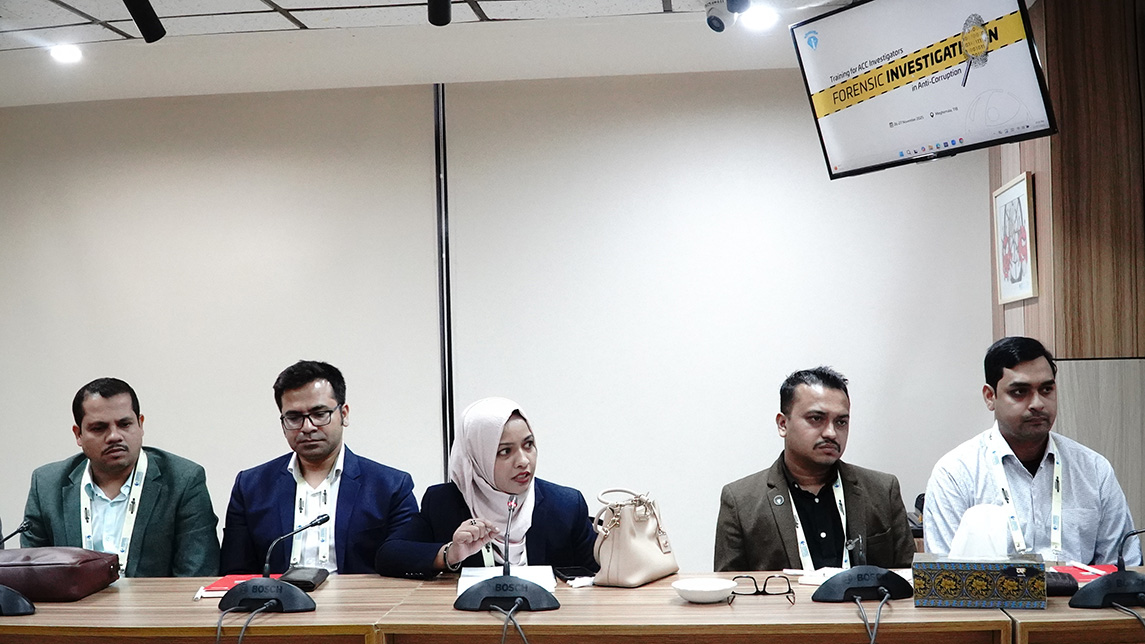
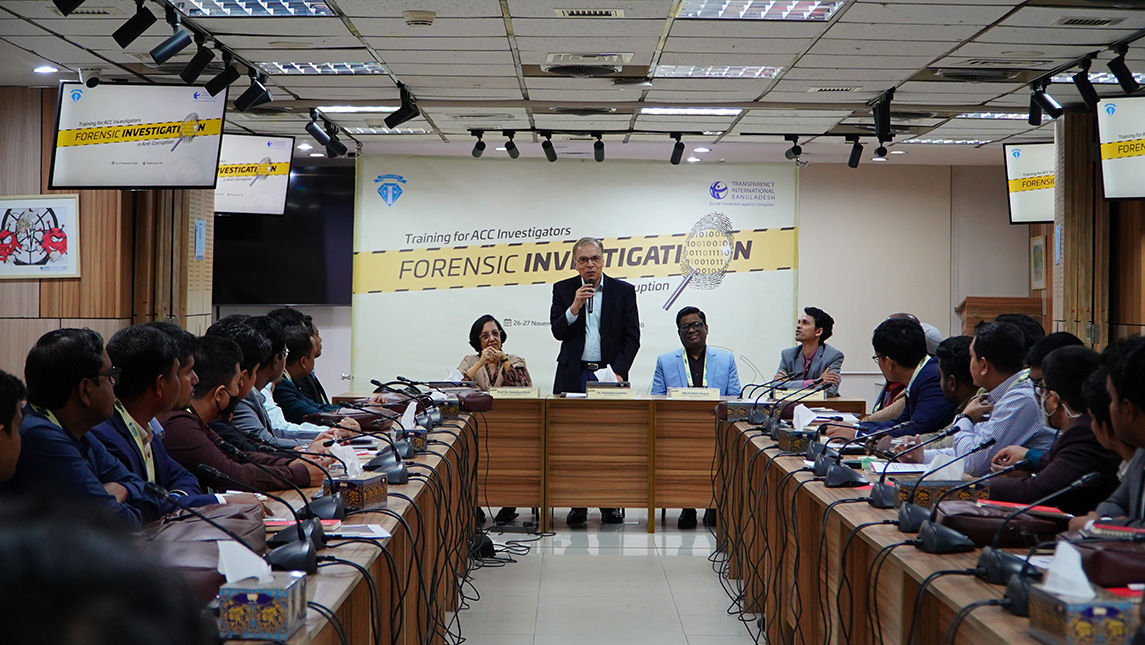
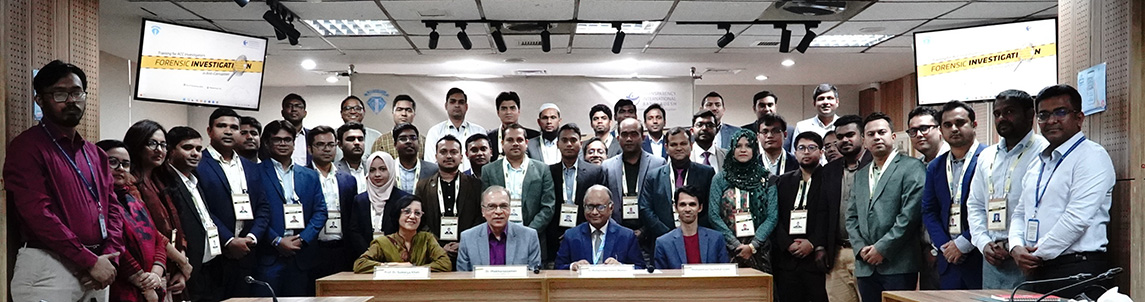
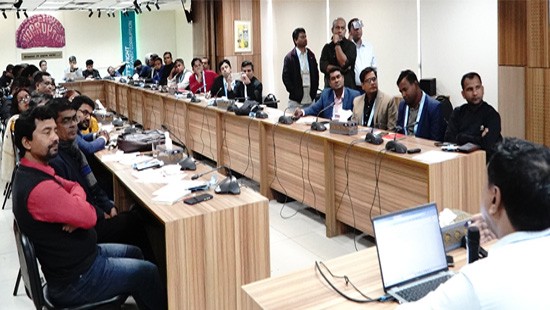
In an era where digital currencies are reshaping the financial landscape, the issue of money laundering has taken on new dimensions. The anonymity and decentralized nature of cryptocurrencies make them attract illegal activities, allowing people to hide where their money/assets come from. Globally, money laundering and corruption through digital means are on the rise. In Bangladesh, the number of such crimes is also on the rise. In addition, the process of investigating such crimes, identifying criminals, and bringing them to justice is becoming increasingly complex. Consequently, it is necessary to increase the capacity of government officials responsible for combatting corruption. Taking this context under consideration, Transparency International Bangladesh (TIB) organized a specialized two-day training program on ‘Forensic Investigation in Anti-Corruption’ from November 26 to 27, 2025. This training was conducted under the ongoing memorandum of understanding with the Anti-Corruption Commission (ACC), aimed to enhance the professional capabilities of forty dedicated investigation officers. The training, hosted at TIB's Dhanmondi office, brought together twenty-four officers from Dhaka and sixteen officers from across the country, to equip them with essential forensic skills and knowledge.
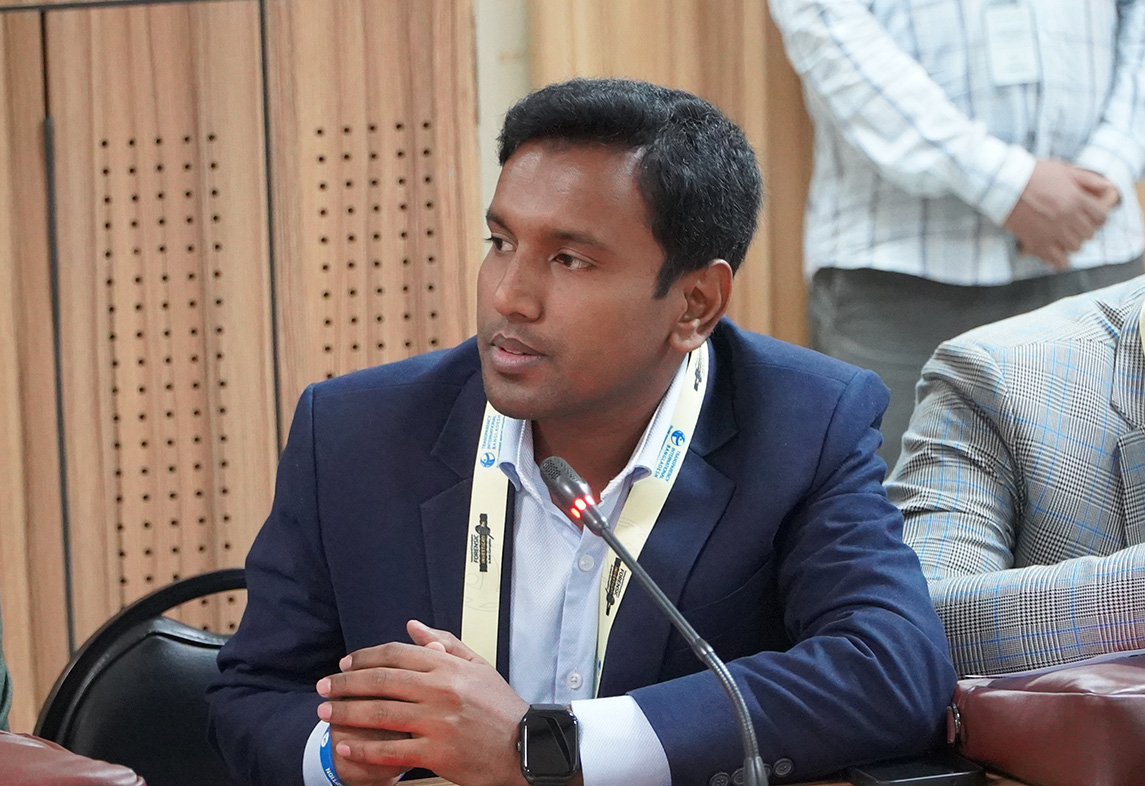
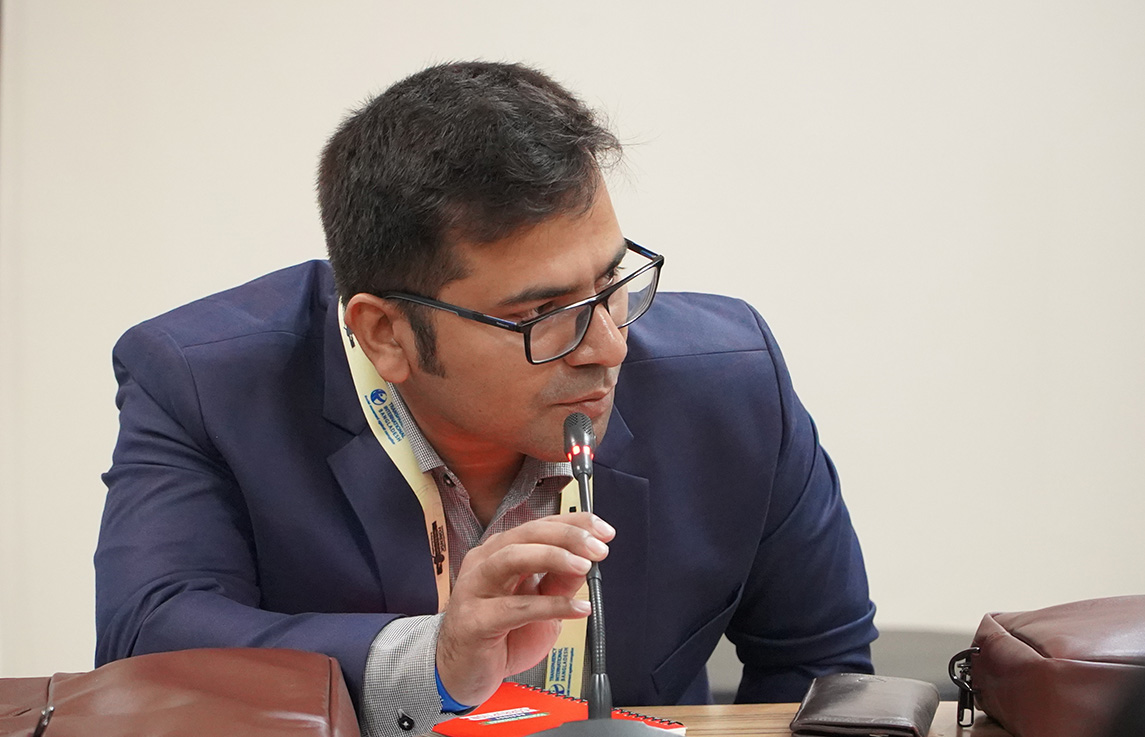
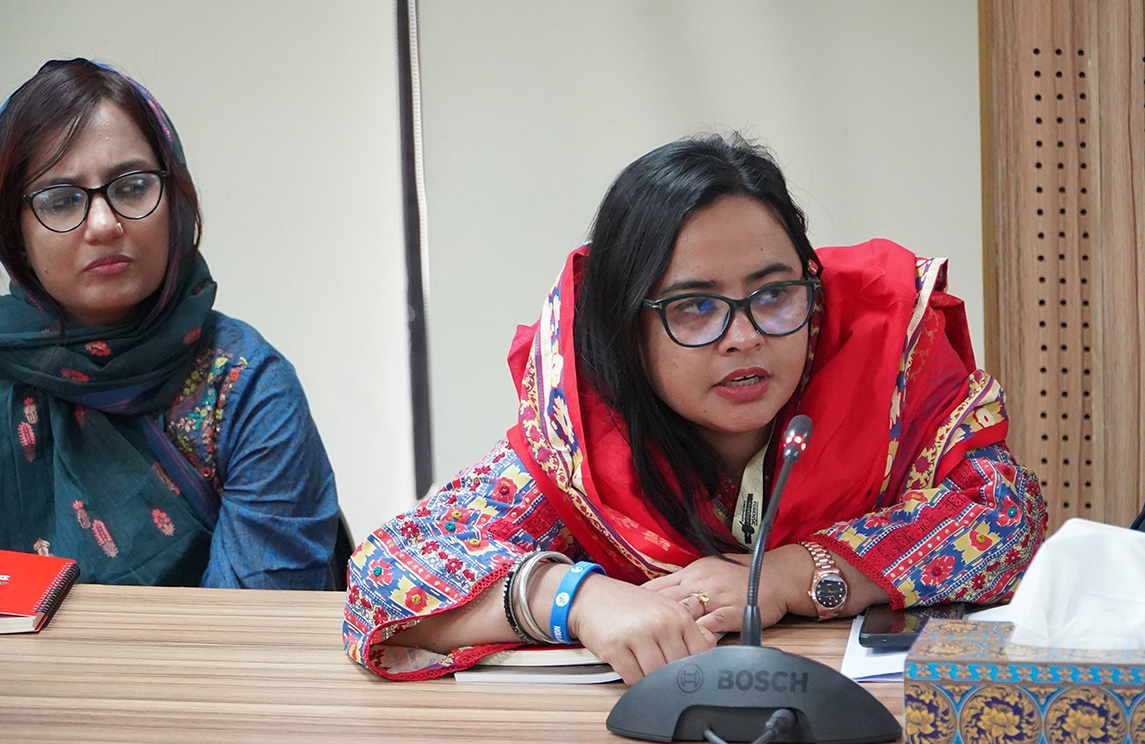
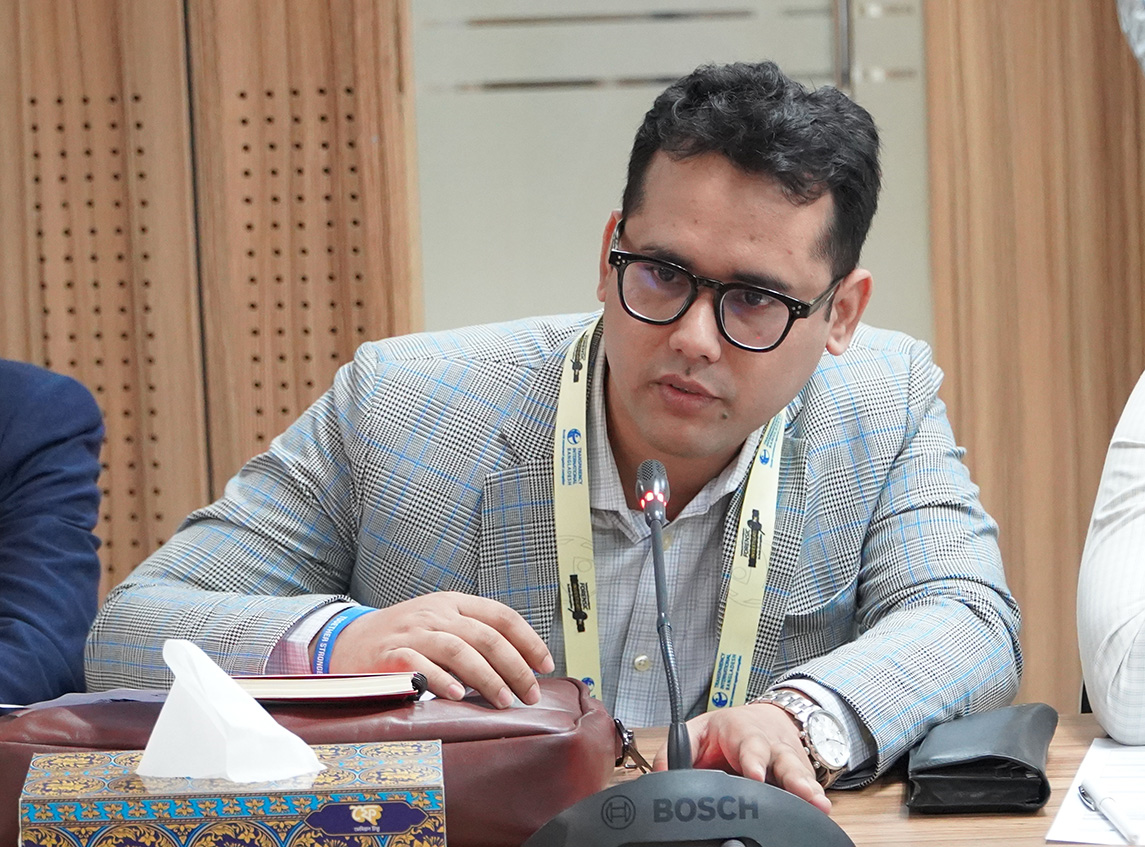
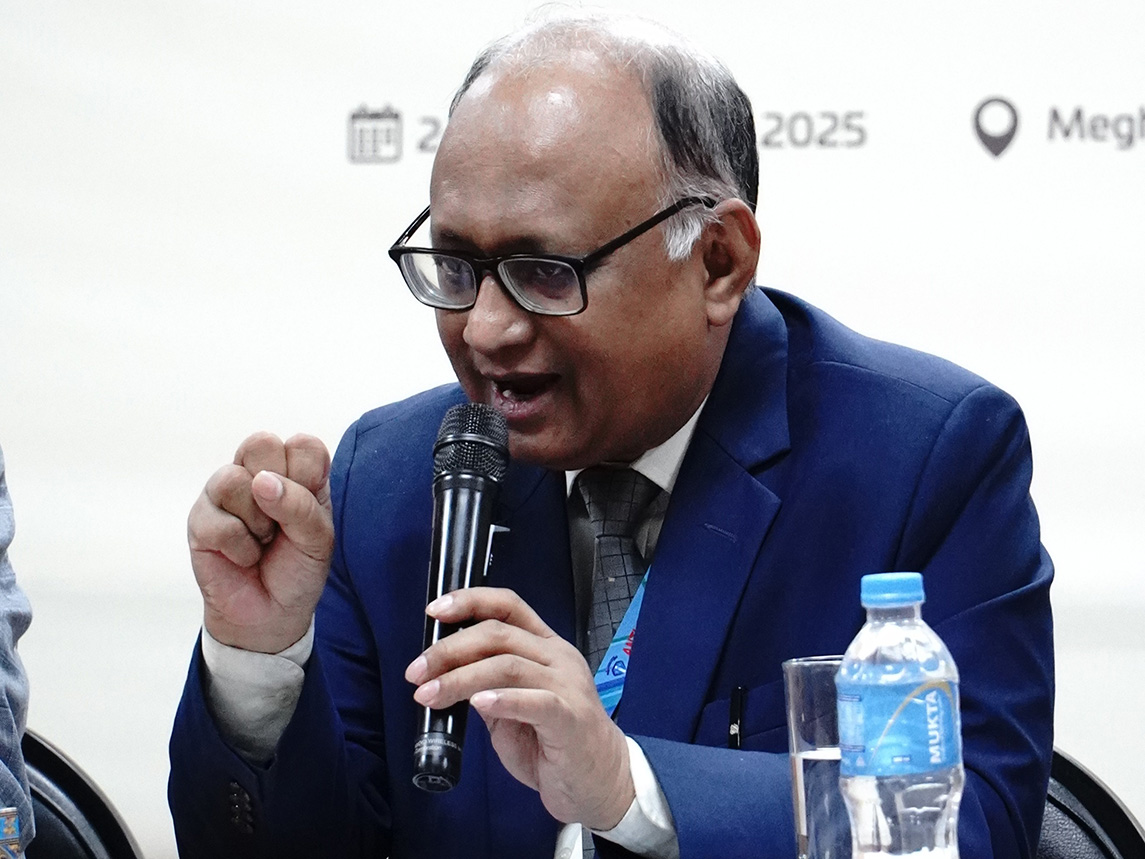
"The training we have undertaken is crucial in equipping us with the necessary tools to combat these emerging financial threats. By identifying specific areas, we can develop a more robust framework for investigation. This proactive approach not only enhances our ability to detect suspicious activities but also strengthens our overall financial integrity." On behalf of thirty-nine of his colleagues, an investigation officer of the Anti-Corruption Commission (ACC) spoke these words.
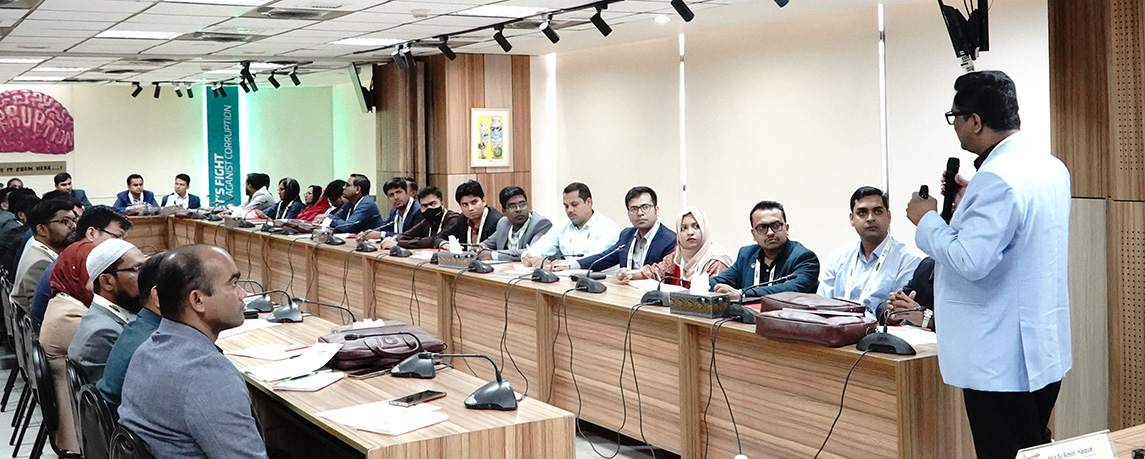
On the first day of the training, field-level ACC officers were trained up on forensic accounting, digital fraud detection and investigation, and digital manipulation and illegal influence in the capital market. The day-long sessions moderated by Mr. Al-Amin, Associate Professor of the Department of Accounting, University of Dhaka. While conducting the session on capital market fraud, Mr Al-Amin, who is also the Director of the DU BBA Program, and a member of the Bangladesh Securities Exchange Commission Reform Task Force, highlighted the influence of vested interests using digital means as the reason for the downward trend of the capital market in Bangladesh and said, "In the past, general traders of the capital market have lost everything due to such crimes. Therefore, public confidence in the capital market has not yet fully returned." He stressed the need to enhance the capacity of ACC officers to overcome this situation.
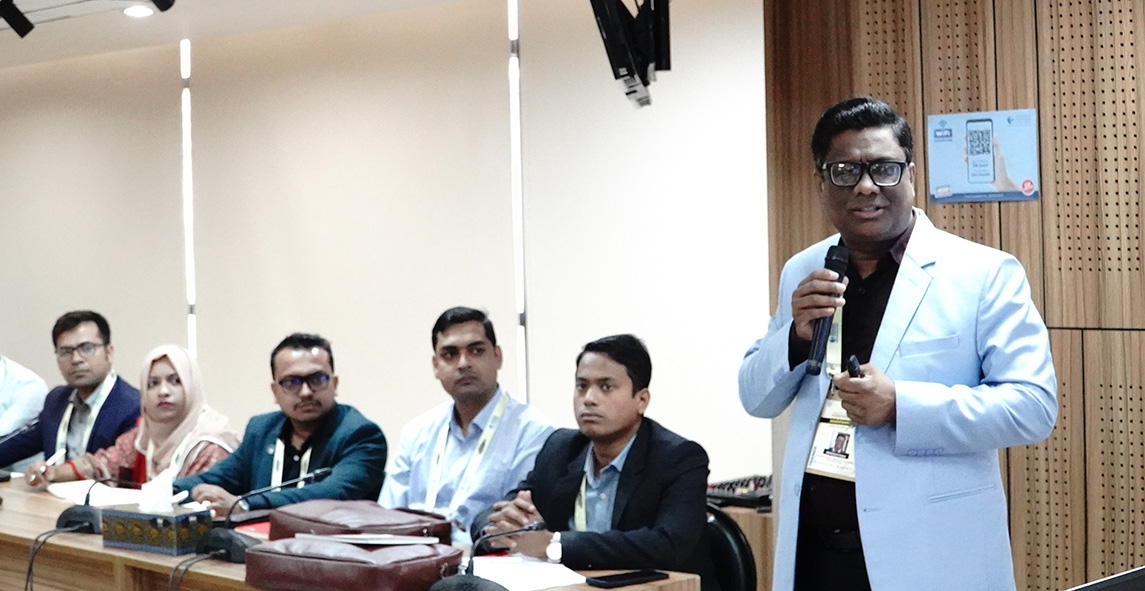
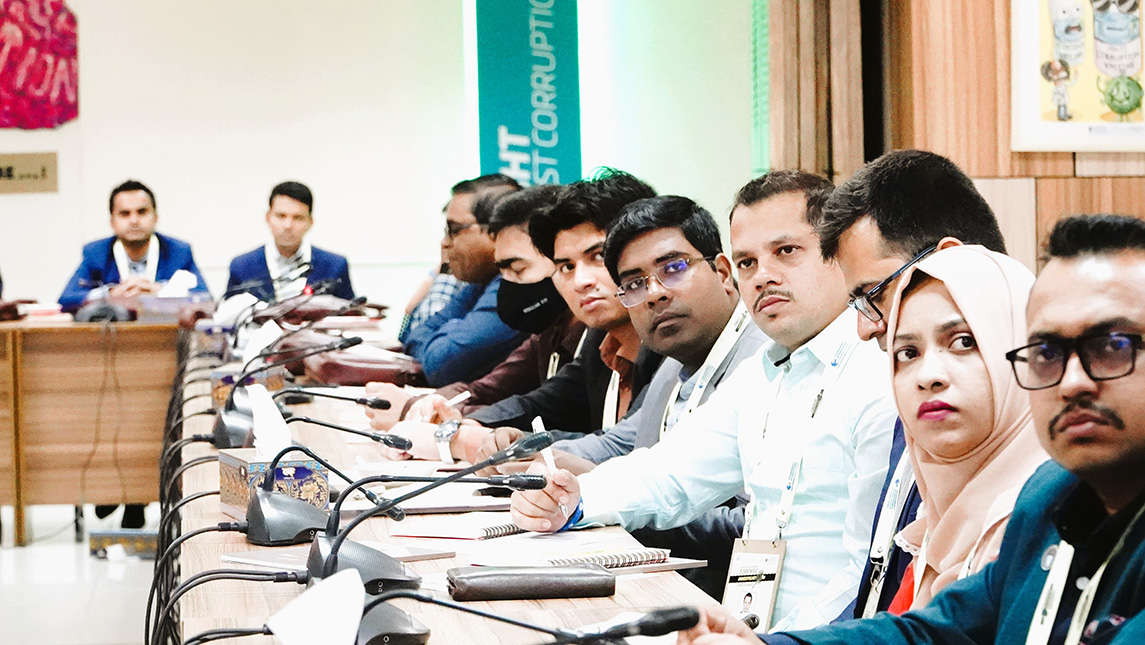
Agreeing with the resource person, Mr. Al-Amin, an ACC officer said that "it is important to broaden the scope of knowledge of investigating officers to identify corruption related to the capital market. Such training is effective in fighting corruption because it makes it easier to uncover illegal transactions, especially strategies to influence the market". The officer and other training participants learned new information in each session and shared their experiences related to the topics.
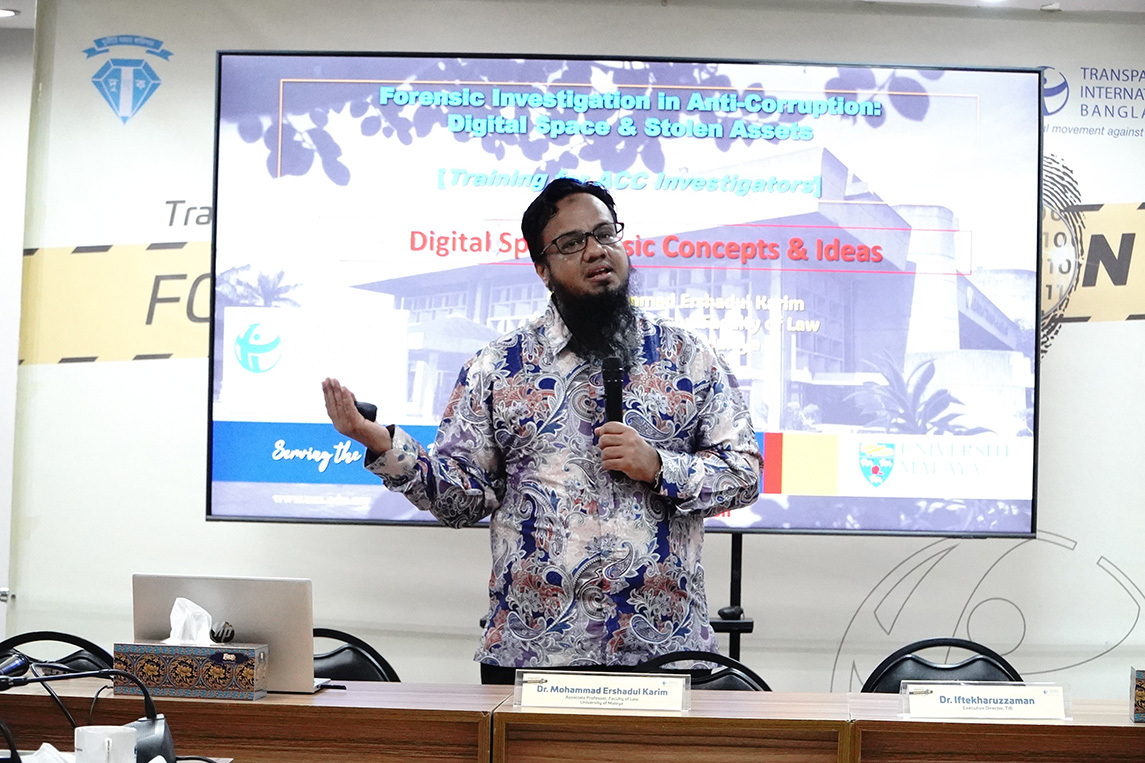
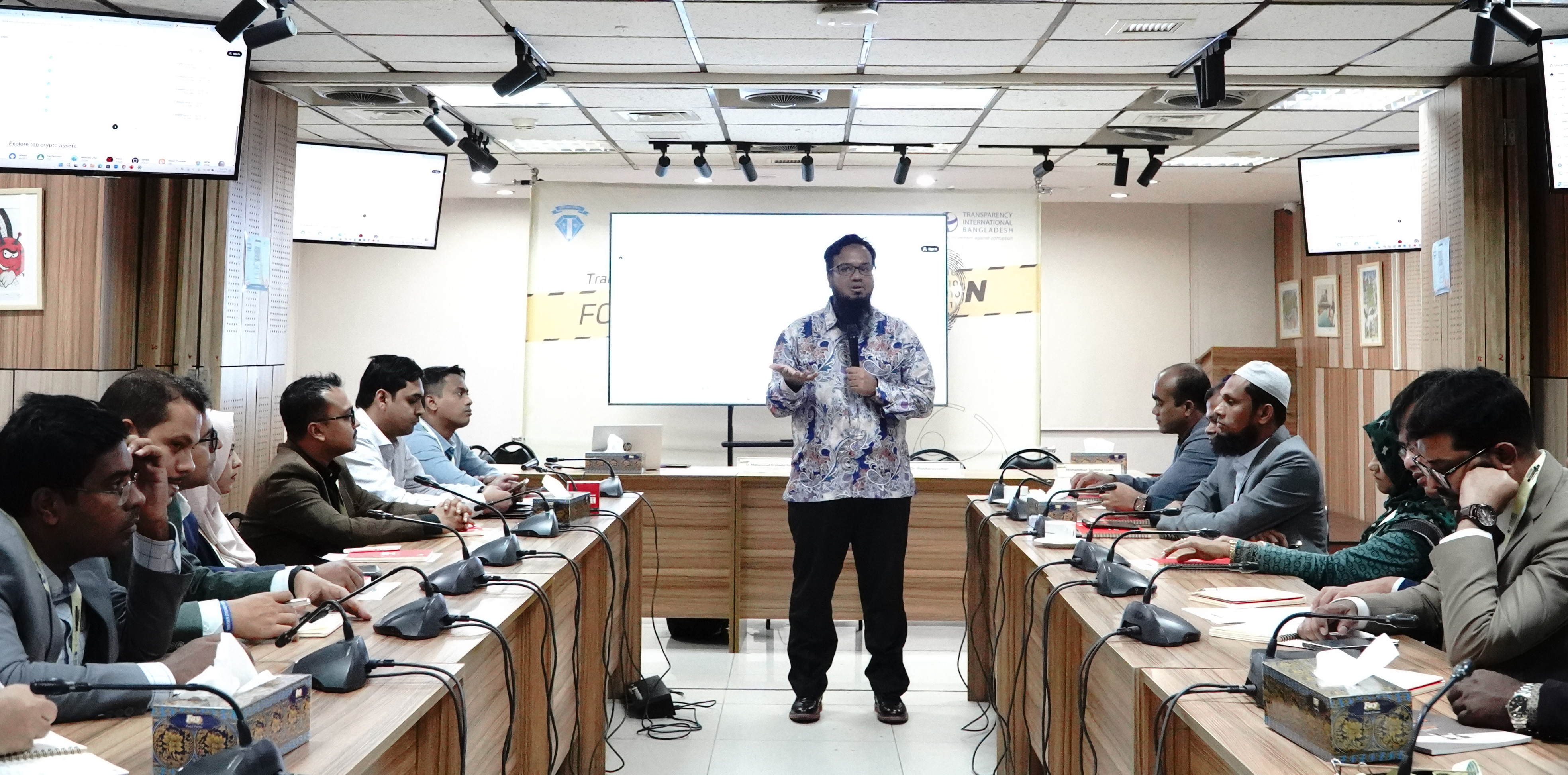
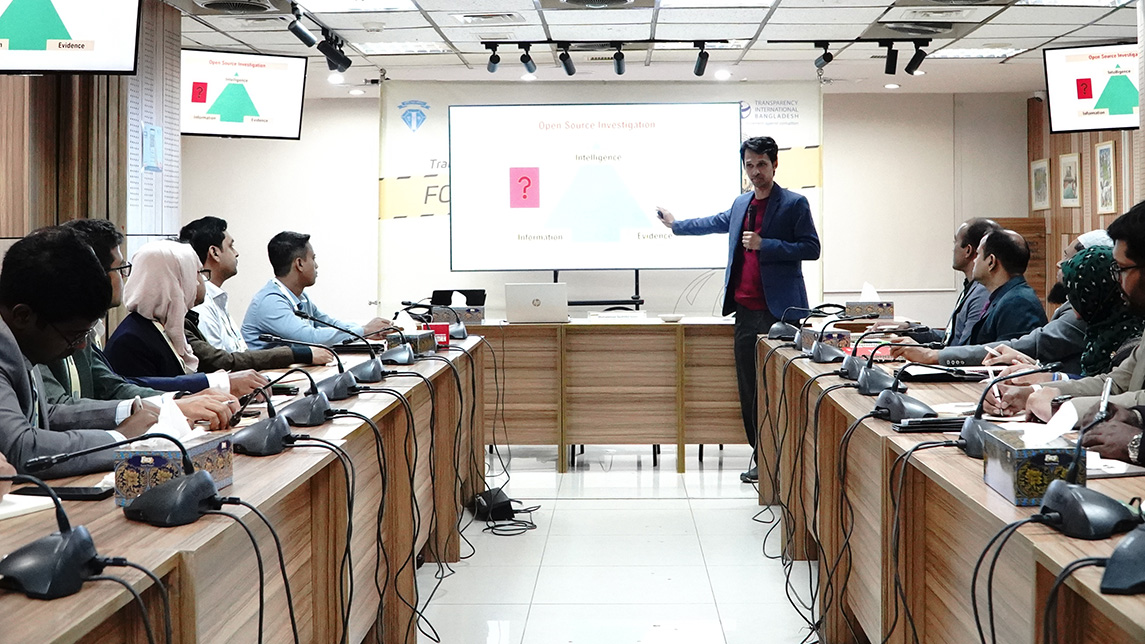
On the second day, Dr. Mohammad Ershadul Karim, Associate Professor of Law, University of Malaya, conducted sessions on digital space, money laundering through cryptocurrencies and the dark web. After learning about how former bureaucrats and ministers of Bangladesh have laundered money from outside the country using digital currencies, especially cryptocurrencies like Bitcoin, a participant from outside Dhaka said, "We usually do not have to deal with such huge amounts of corruption at the district level, i.e. in the Integrated District Offices. However, we now have a huge amount of information on corruption of former ministers and local MPs, we can use the tools that we learned about in this training to further investigate and bring them under the law." The last session of the workshop on the techniques of identifying illicit assets using open sources and various databases of open data was conducted by TIB Outreach and Communication Director Mohammad Tauhidul Islam.
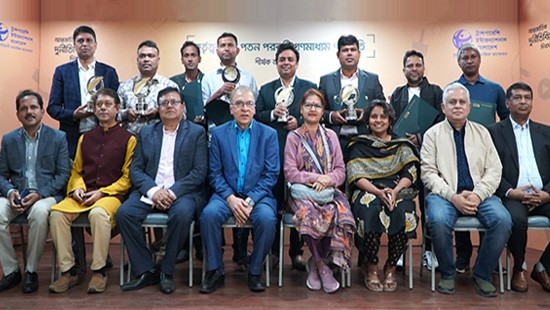
Praising the enthusiasm of the participant officers, in the concluding ceremony, TIB Executive Director Dr. Iftekharuzzaman addressed them saying, "Your dedication and passion are commendable, and I encourage you to carry this spirit forward in your future endeavors." TIB is making efforts to enhance your skills that are required especially in performing the duty of combatting corruption that is entrusted to you by this country. TIB is always ready to provide all kinds of cooperation to increase the capacity of ACC. TIB has been involved since the birth of ACC. We want ACC to introduce itself as an effective institution in the fight against corruption, to meet the expectations of the people, to establish itself by achieving effective results. Let the message go to the people that ACC is playing its expected role."
Dr. Mohammad Abdul Momen, Chairman of ACC, thanked TIB for their ongoing partnership and emphasized the need to broaden their joint efforts. He said, "The ACC will take all necessary steps and provide support to accelerate such initiatives. TIB is one of the strongest allies of ACC in combating corruption. The better TIB can do its job, the easier ACC's work will be."
In the future, fighting financial corruption will depend more on digital tools. "Using artificial intelligence and machine learning in our monitoring systems will help us spot and react to suspicious activities quickly. By adopting these new technologies, we can build a stronger financial system that is harder to exploit" one investigation officer shared his optimism about how this training will help them investigate cases more effectively".
While the challenge of money laundering through digital means is significant, this training has provided the officers with a solid foundation to address it. By focusing on specific monitoring issues, utilizing advanced technologies, and fostering a culture of vigilance, it is hoped that ACC officials can work towards a future where financial corruption is minimized. The journey ahead may be complex, but with the right tools and knowledge, they are well-equipped. Under this collaboration, the participating ACC officials expressed a desire to engage in more comprehensive training focused on combating corruption, guided by TIB in the future. The two-day specialized training concluded with the distribution of certificates among the participants.