Published: 17 October 2026
Our day begins and ends with the glow of a screen in the palm of our hand. From the phone that wakes us to the laptop in our bag and the tangle of chargers around our homes, technology shapes the rhythm of our lives. Yet behind this convenience, a silent threat is building up in our homes—one we pass by every day without a second thought.
When a phone slows down or a favorite gadget stops working, we rarely throw it away right away. Instead, we slip it into a drawer or the back of a cupboard, assuming it is harmless clutter. But inside these devices are toxic substances such as lead, mercury, and cadmium. As the forgotten devices eventually make their way from drawers to open dustbins, their toxic contents seep into the soil, water, and the air we breathe. What begins as a small habit at home is quietly becoming a nationwide environmental and public health crisis.
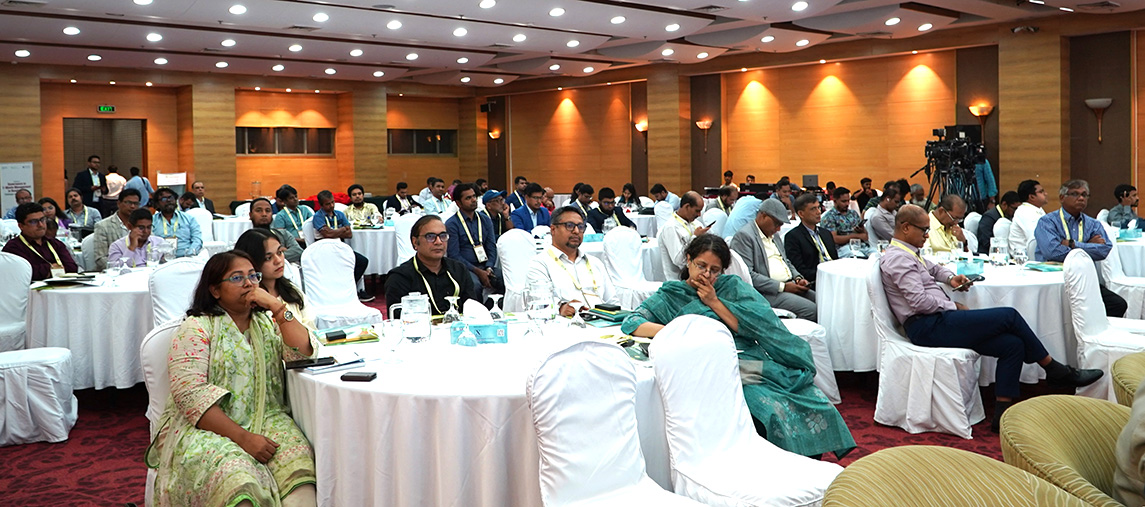
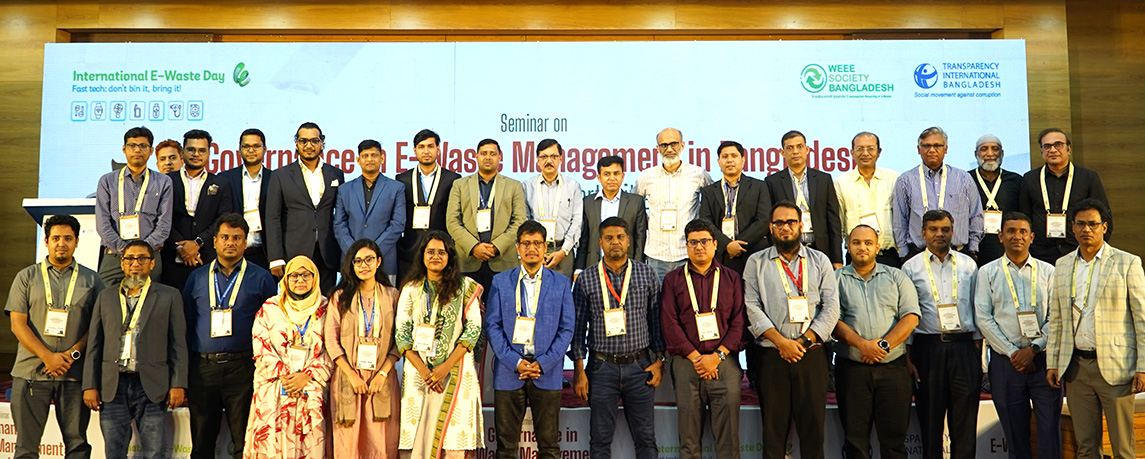
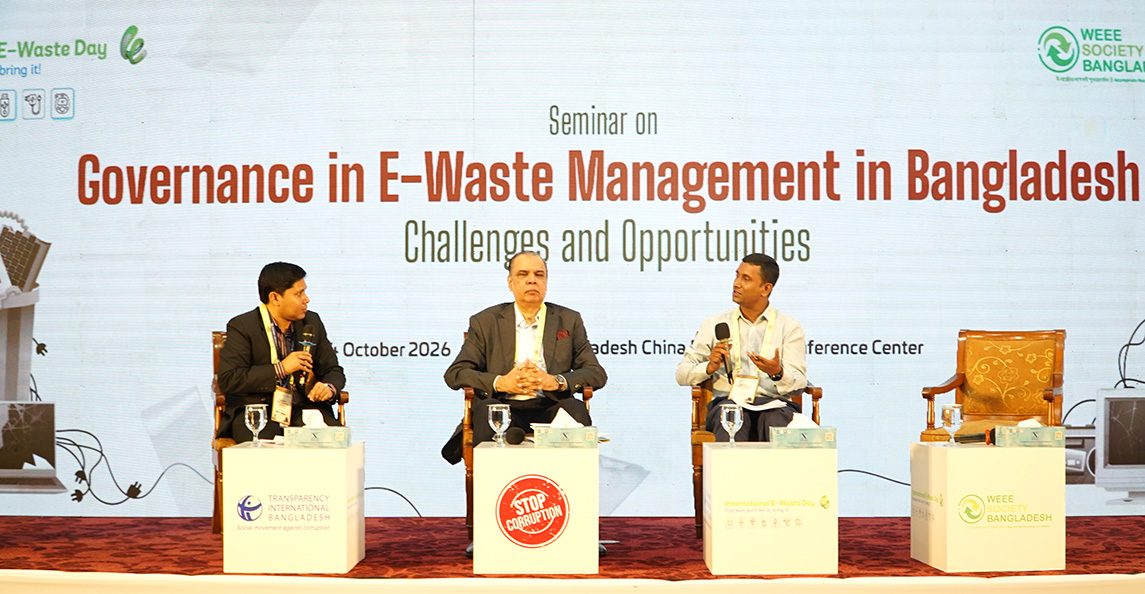
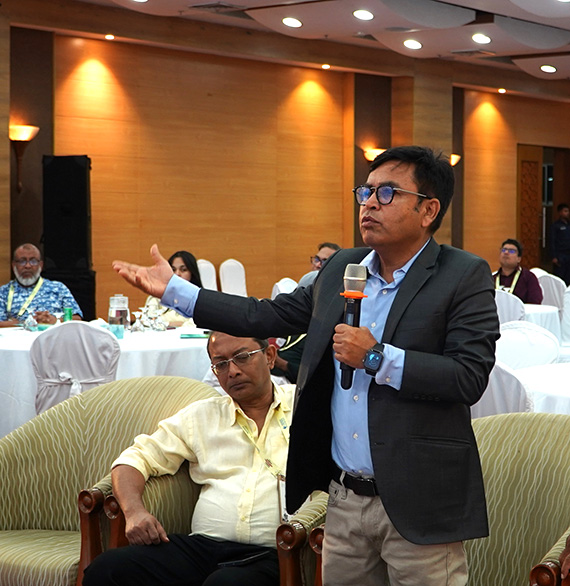
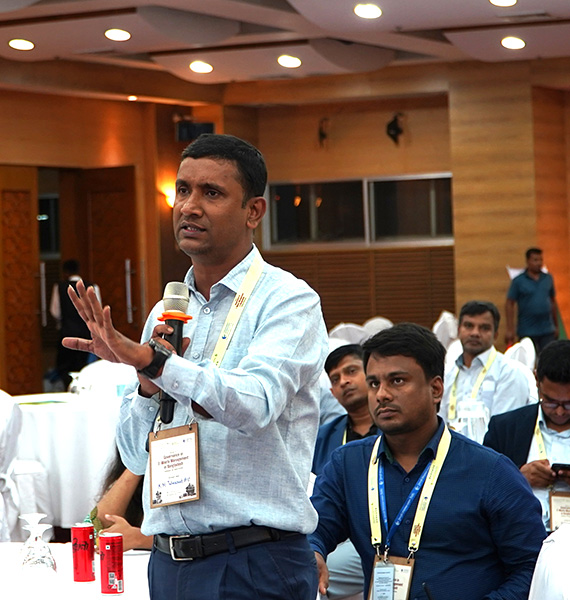
How did the neglected gadgets in our homes become a national threat, and what can be done about it? To look for answers, on International E-Waste Day, 14 October 2026, policymakers, government officials, electronics and IT manufacturers, recyclers, researchers, journalists, and civil society representatives gathered at the Bangladesh-China Friendship Conference Centre in Dhaka. Transparency International Bangladesh (TIB) and WEEE Society Bangladesh jointly organized the advocacy seminar titled “Governance in E-Waste Management in Bangladesh: Challenges and Prospects.”
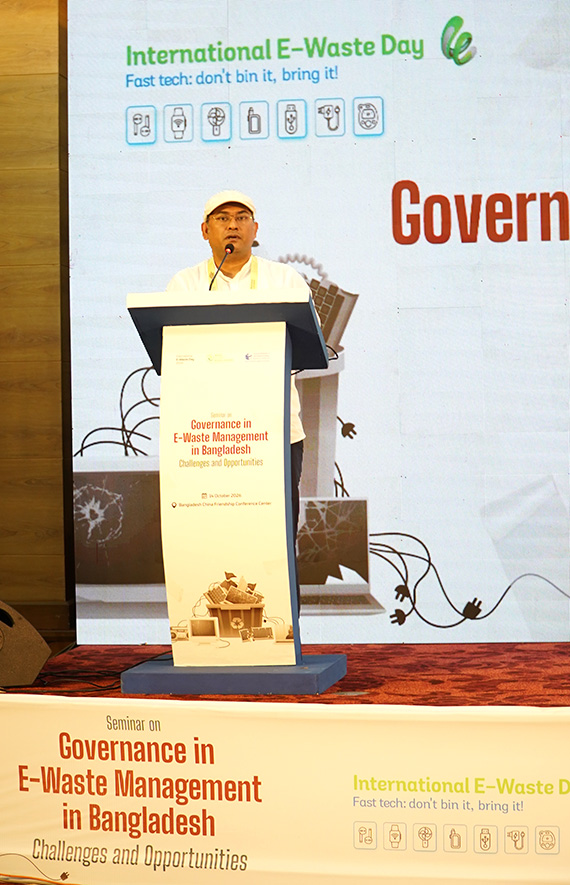
TIB Research Associate Abdullah Jahid Osmani presented the keynote paper, pointing to a glaring blind spot: Bangladesh has no national database on e-waste. Without proper oversight, 97 percent of discarded electronics end up in the informal sector. There, workers handle toxic waste without protective equipment, exposing themselves to serious health risks, including cancer. Although the Hazardous Waste (E-Waste) Management Rules 2021 are in place, a lack of coordination among government agencies has kept them from being implemented.
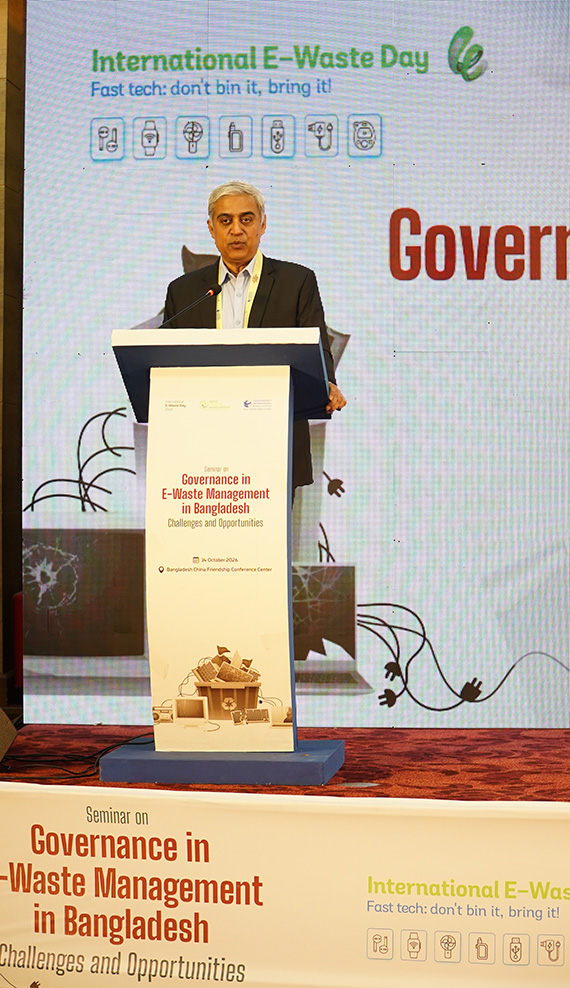
This gap between capacity and reality became even clearer in the presentation of Brigadier General Shafiul Azam Parvez, Director General of the Engineering and Operations Division of the Bangladesh Telecommunication Regulatory Commission (BTRC). He noted that while 15 registered facilities across the country have the capacity to process 181 tons of e-waste a day, weak collection and supply systems mean only 12 tons reach them. To deal with the growing volume of e-waste, lithium-ion batteries, and data security risks, he spoke of updating BTRC guidelines and working in coordination with the Department of Environment.
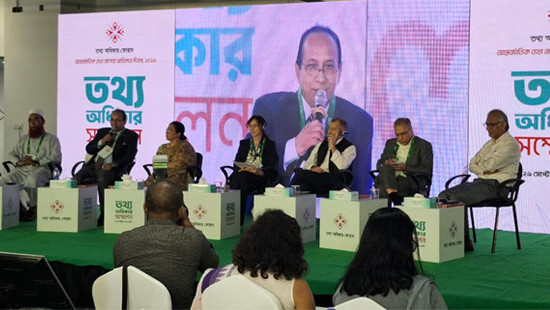
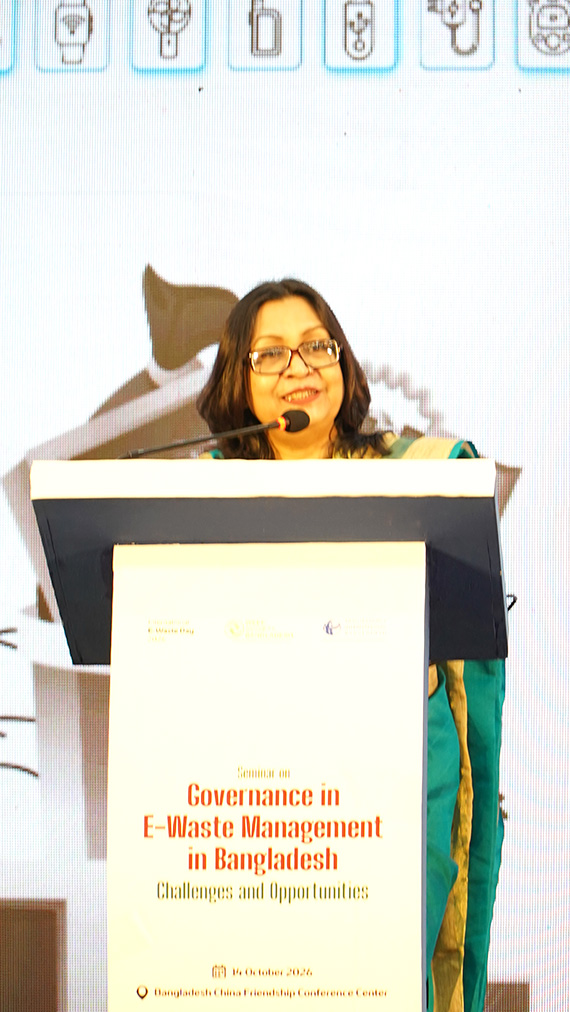
The keynote and presentations laid bare the scale of the problem, setting the stage for panel discussions where experts from different sectors tackled the tough questions. In a panel moderated by TIB’s Environment and Climate Finance Division Coordinator Dr. Nabil Huq, speakers pointed to contradictions among e-waste figures reported by the Bangladesh Bureau of Statistics (BBS), Bangladesh University of Engineering and Technology (BUET), and international agencies, and called for an immediate national baseline survey. They urged the government to introduce clear guidelines on Extended Producer Responsibility (EPR)—which makes producers accountable for collecting and safely disposing of their products at the end of their life—and to bring informal recyclers into the formal system.
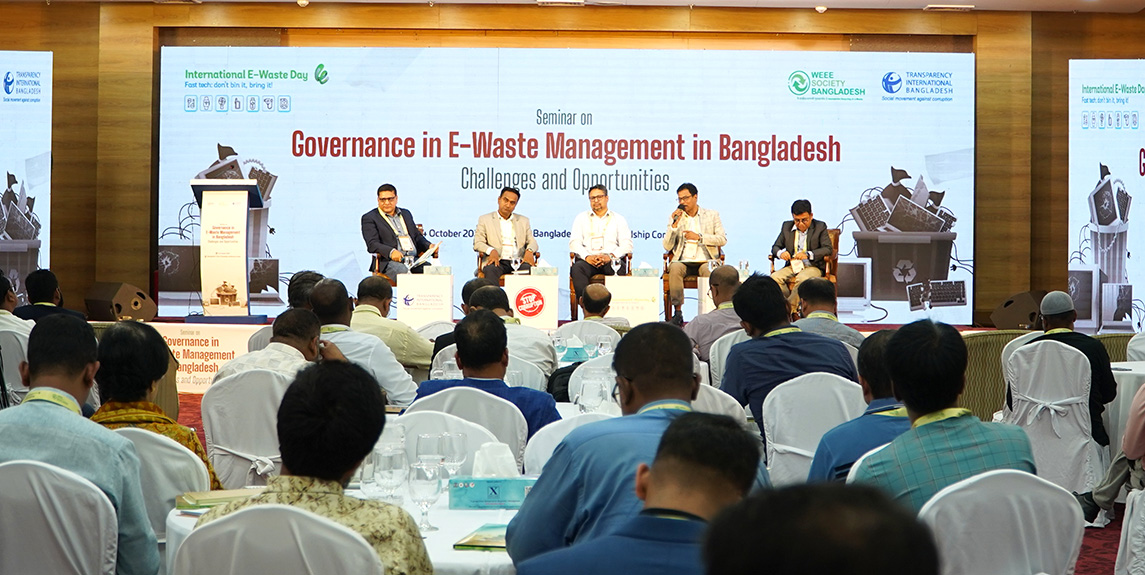
A panel on the telecom and internet sector heard that network modernization is moving far faster than e-waste recycling. Speakers pointed to the lack of a clear policy on device reuse and warned of a silent risk: biometric records and National ID data left inside discarded hardware. To protect citizens’ privacy, they called for mandatory, international-standard “degaussing” and data destruction before hardware is scrapped, alongside a national “e-registry” to track product lifespans in the market.
A panel on the ship recycling industry highlighted how broken electronic equipment enters the country in the name of ship breaking. Heavy metals from this equipment pollute soil and water, harming coastal ecosystems and workers’ health. To address this, recent amendments to the Ship Recycling Act seek to bring these hazards under legal and institutional control by including Treatment, Storage, and Disposal Facilities (TSDF).
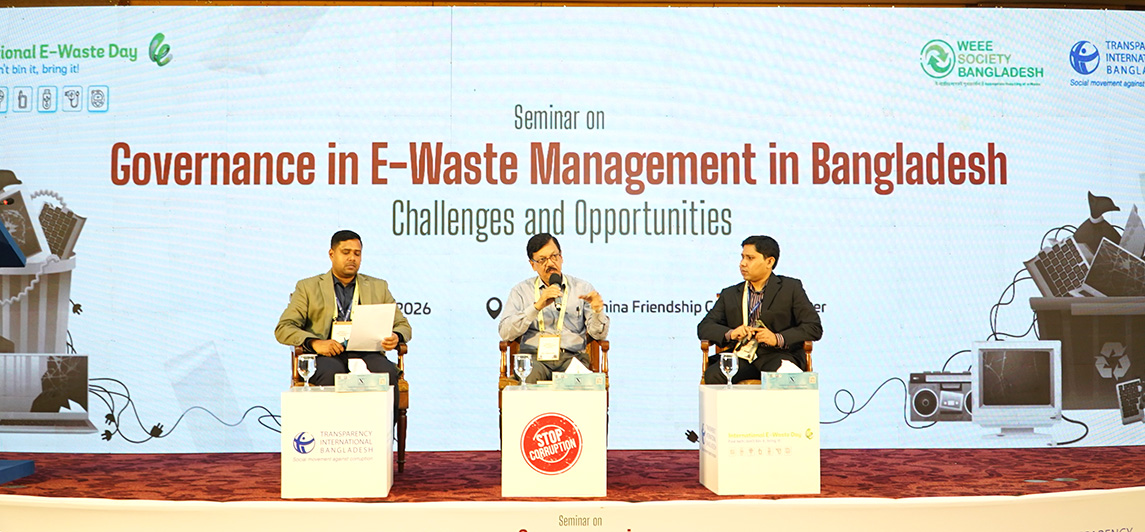
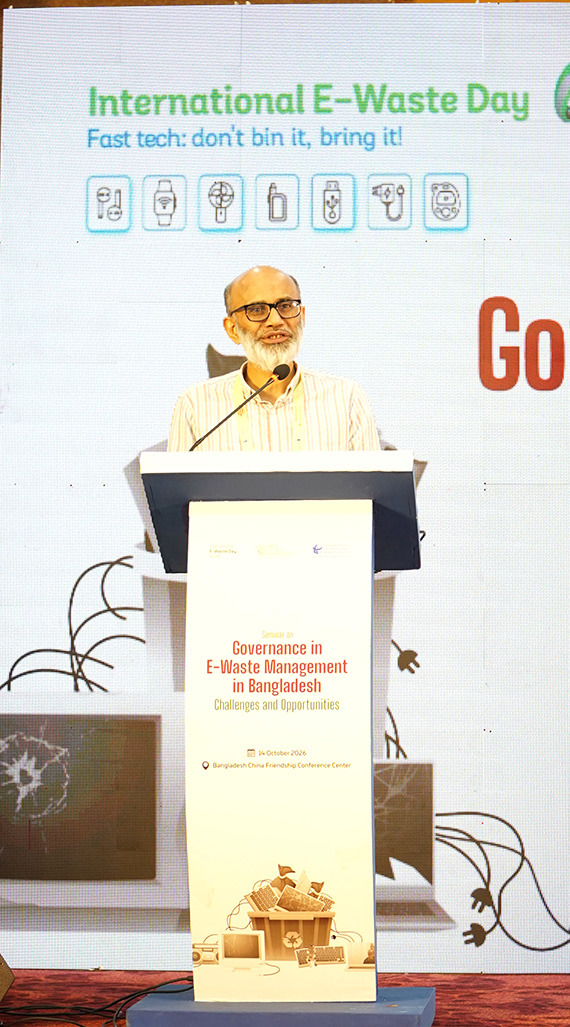
Getting to the root of the problem, TIB Executive Director Dr. Iftekharuzzaman said that governance gaps and weak enforcement of policy have left this vital sector at the mercy of an unregulated market. The main goal, he said, should be to bring e-waste management under an institutional and sustainable governance framework. This requires legal and institutional reforms that clearly define each stakeholder’s responsibilities and stop illicit transactions.
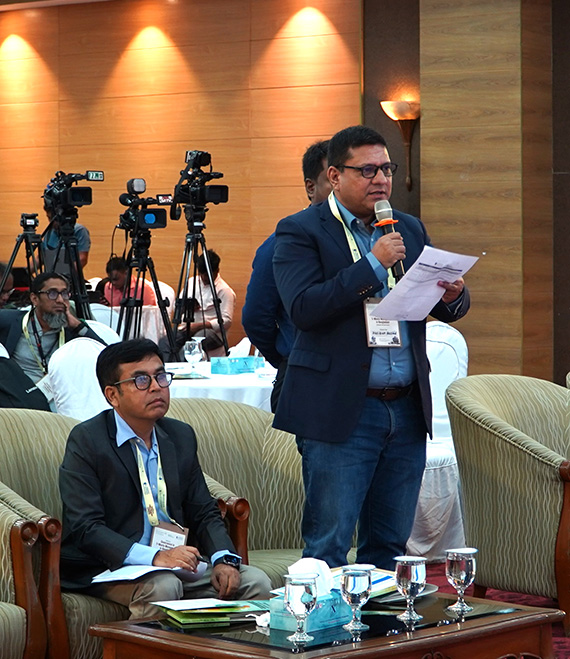
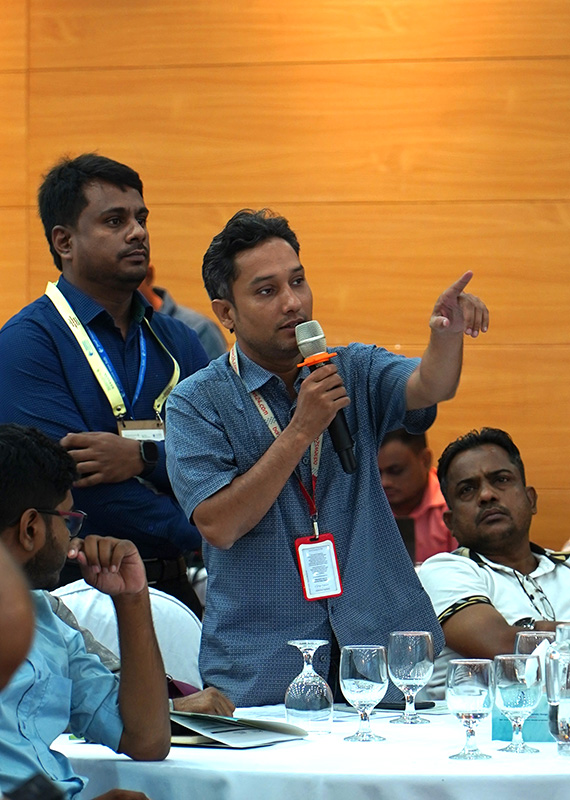
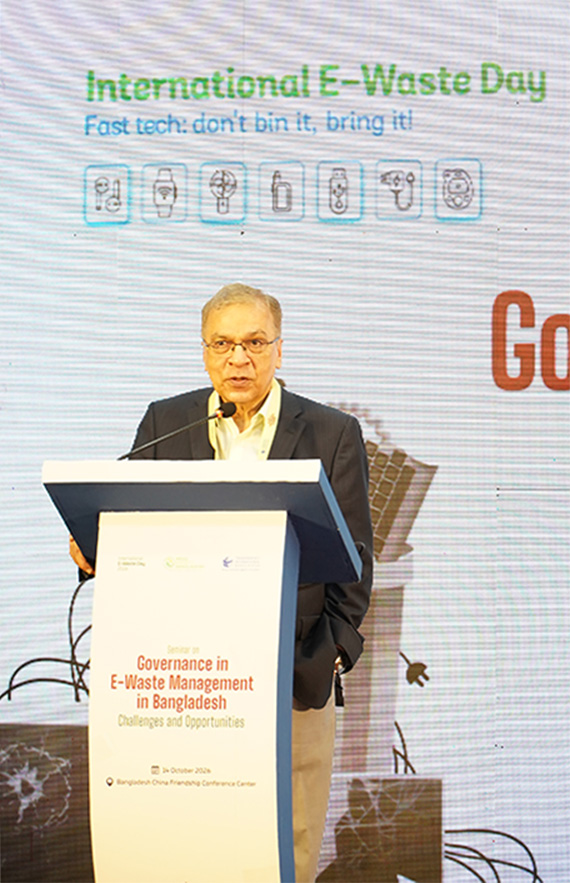
Outlining the government’s plans, Chief Guest Dr. Md. Saimum Parvez, Special Assistant to the Prime Minister on Environment, Forest, and Climate Change, said the government has given top priority to good governance and environmental protection and has set a target of implementing the “3R” policy (Reduce, Reuse, Recycle). He added that there are plans to establish e-waste recycling hubs and Material Recovery Centers at district and divisional levels, which would create new investment opportunities in renewable energy and modern technology.
The seminar put forward a clear set of recommendations: establish a national e-waste database, enforce EPR for manufacturers, strengthen coordination between the Department of Environment and BTRC, and strictly enforce existing laws. By bringing policymakers, regulators, producers, and recyclers to the same table, the seminar put these recommendations directly before the government, which in turn shared its plans for recycling hubs at district and divisional levels.
That old phone sitting quietly in your drawer is more than clutter. Left unmanaged, this toxic waste can cause serious harm. But with sound governance, government oversight, and public awareness, it can become a valuable economic resource.