Published: 07 October 2026
“When a suspect moves illicit wealth through a decentralized crypto-wallet in seconds, traditional paper trails and bank letters simply vanish into thin air,” said an investigator of the Anti-Corruption Commission (ACC). It is a frustration shared by frontline teams across the country. Conventional inquiry methods, built for paper files, are no match for financial criminals who mask graft behind encrypted digital tokens, cross-border laundering, and complex corporate layers. To keep pace with criminals who operate entirely in the digital realm, the investigator said, officers need to look beyond enclosed-room inquiries and master digital tracking.
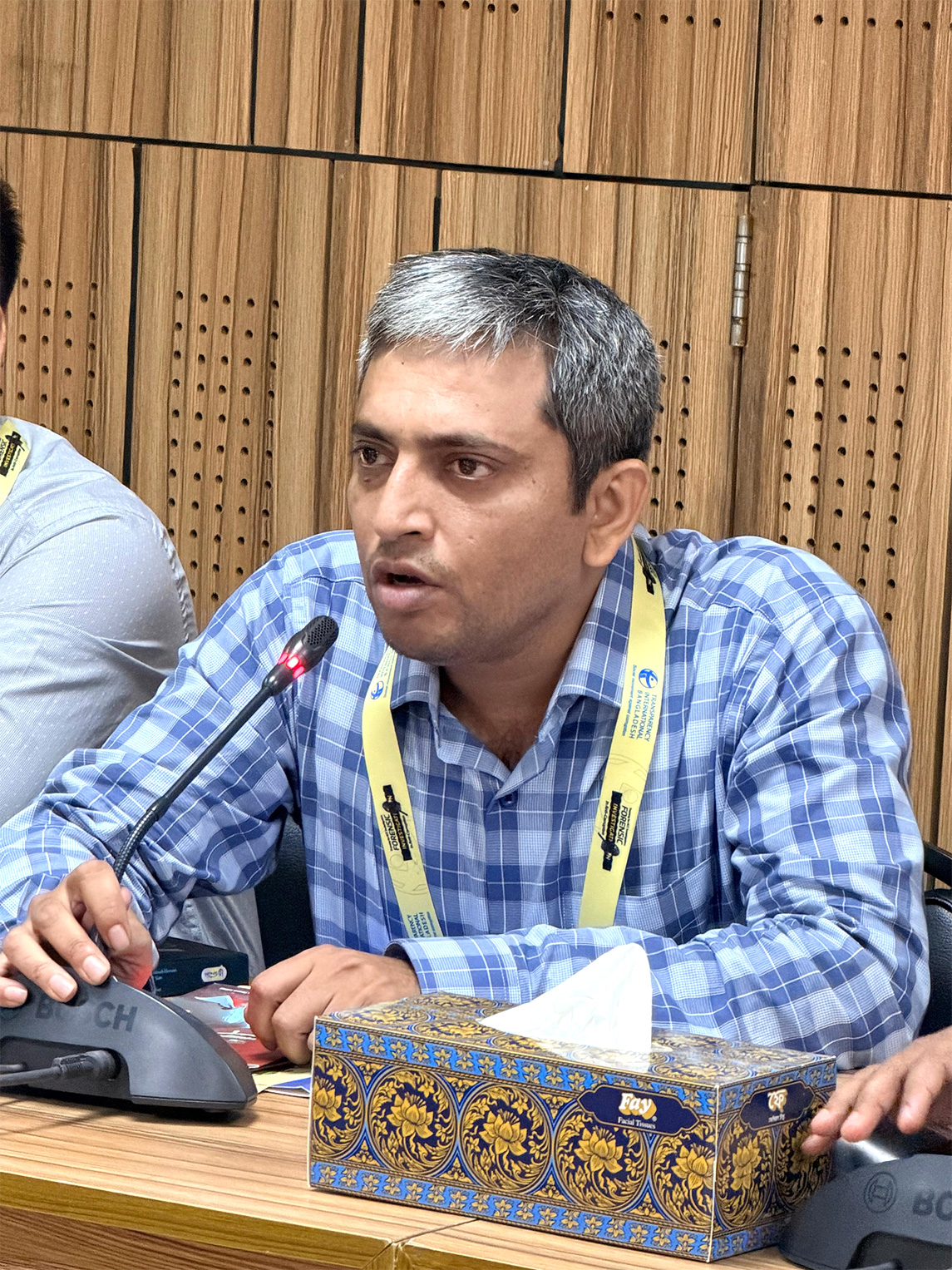
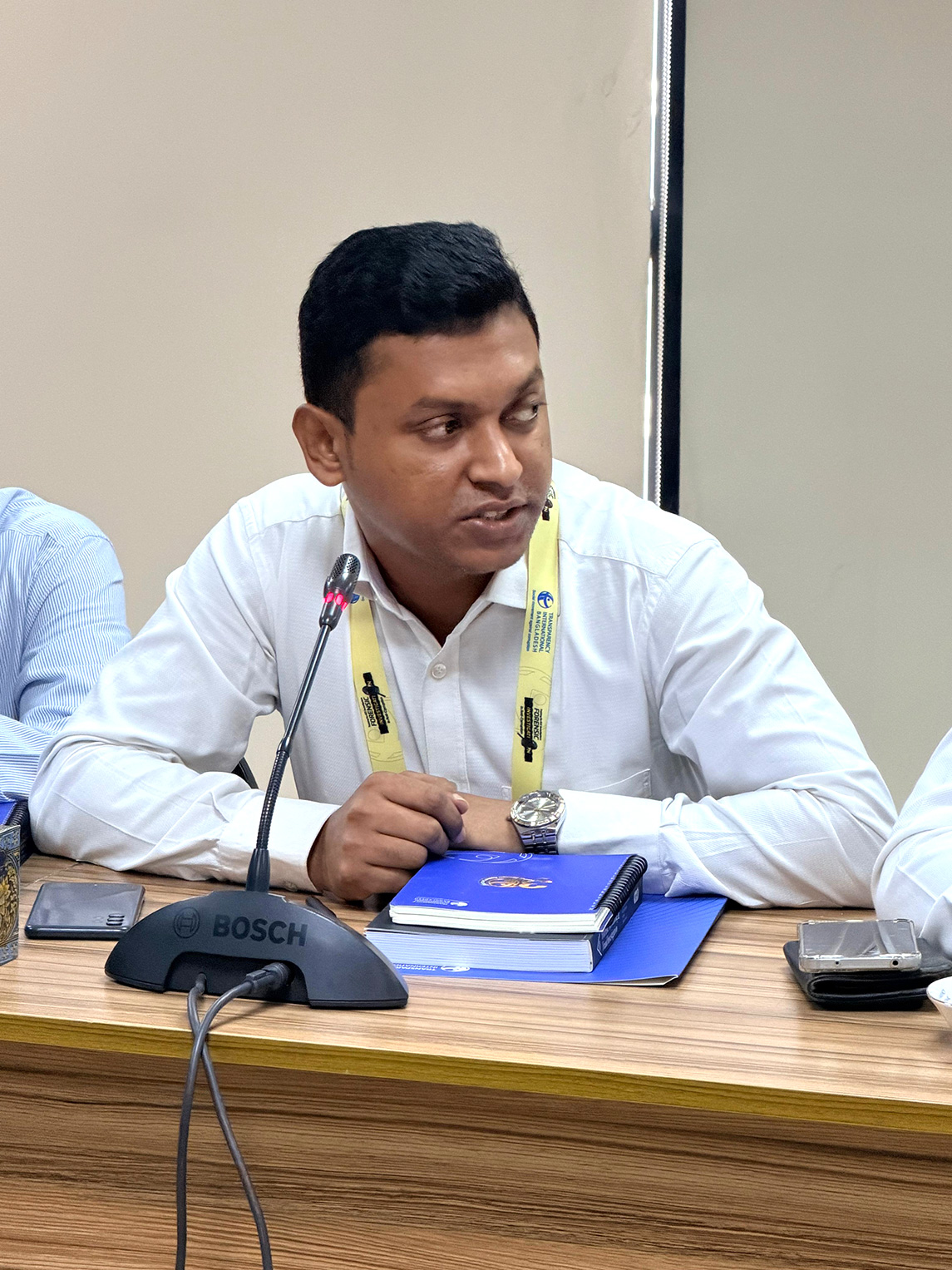
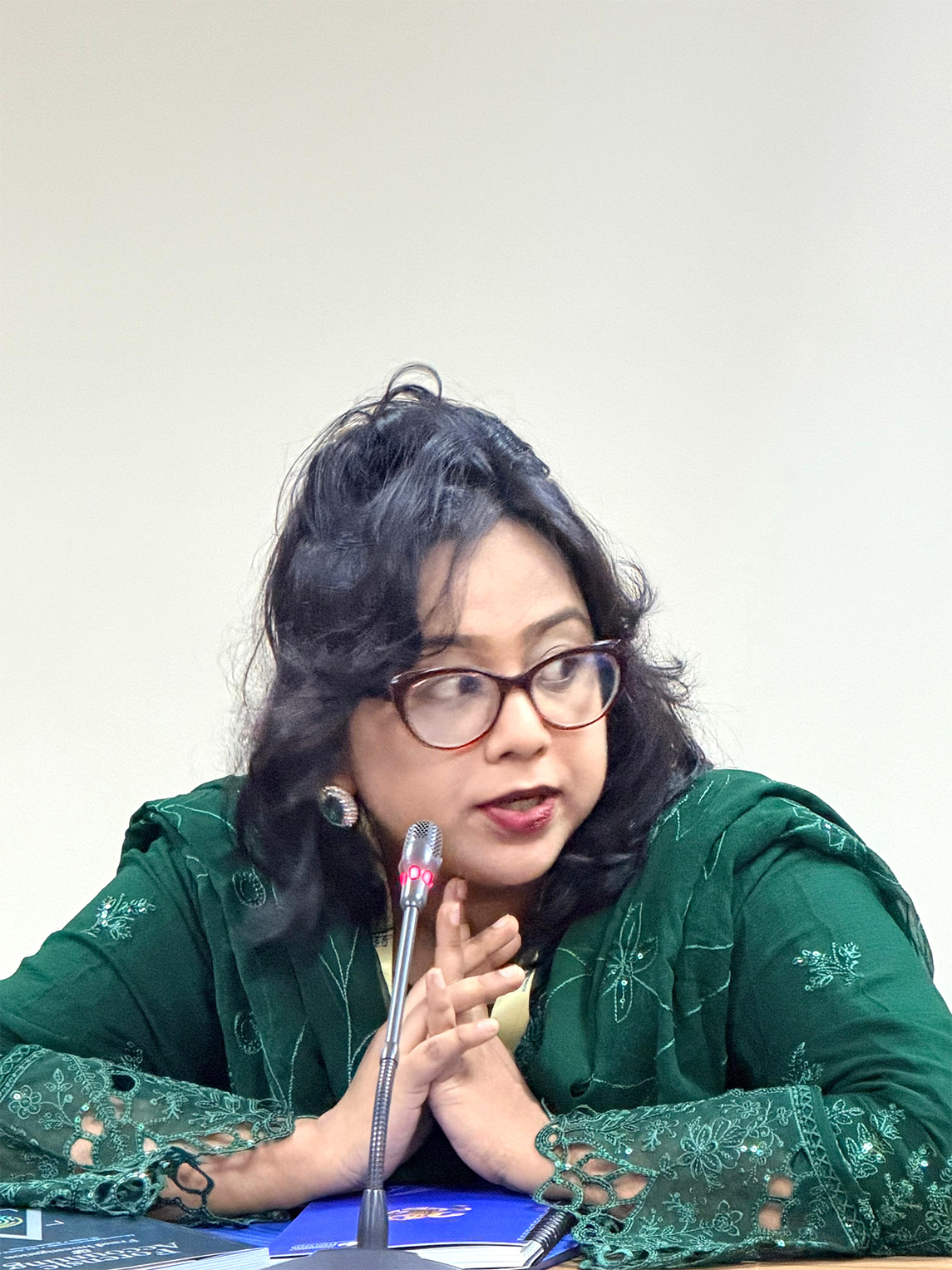
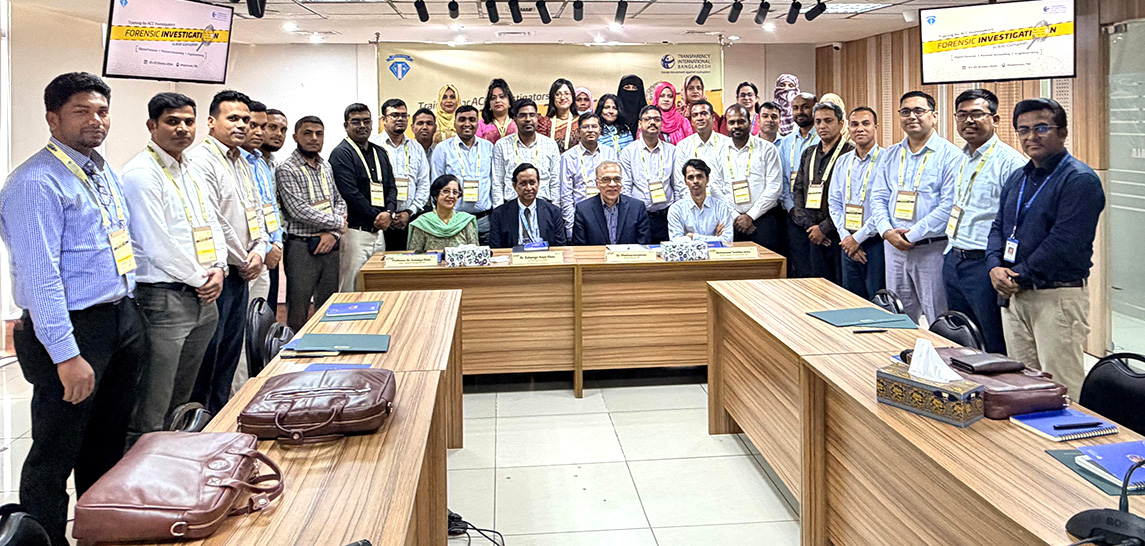
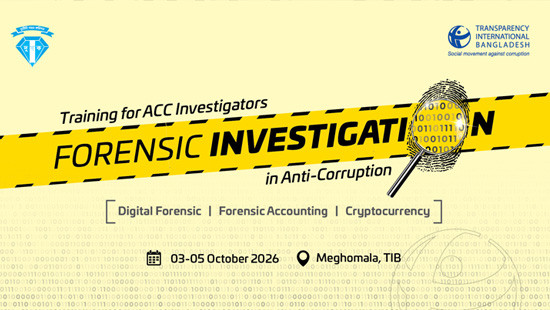
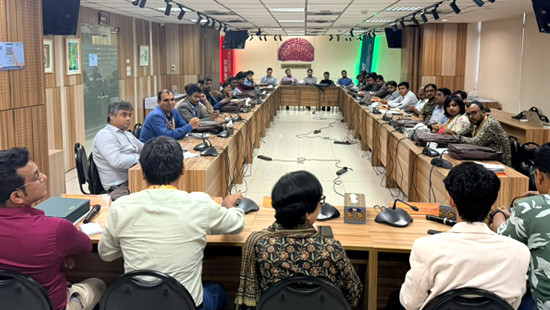
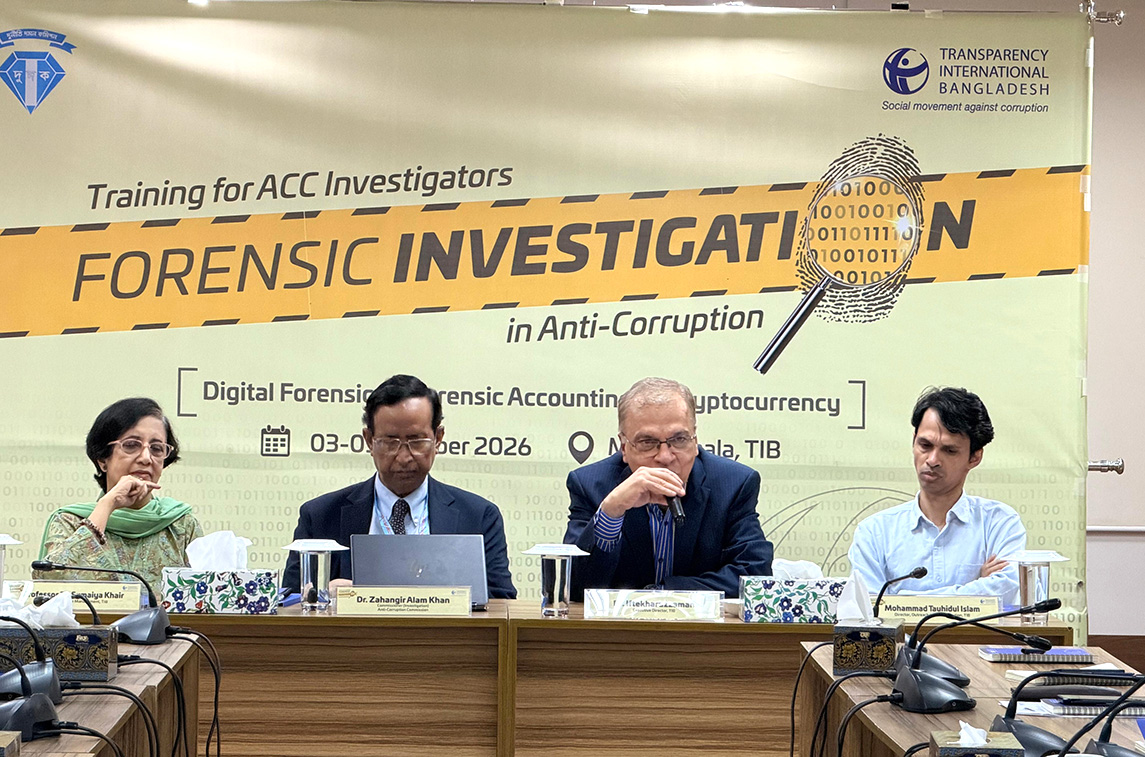
Transparency International Bangladesh (TIB) has long recognized that systemic corruption cannot be tackled with outdated tools and that accountability institutions need the technical capacity to trace sophisticated financial concealment. Under its Memorandum of Understanding (MoU) with the ACC, TIB facilitated a three-day program on “Digital Forensic, Forensic Accounting, and Cryptocurrency” from October 3 to 5, 2026, at the Meghomala Conference Room, the fifth such initiative under the MoU. Thirty investigators took part: eighteen officials from the ACC head office in Dhaka and twelve from Integrated District Offices across the country.
The program began with the numbers. Professor Al-Amin of the Department of Accounting and Information Systems and Acting Dean of the Faculty of Business Studies, University of Dhaka, walked participants through balance sheets, income statements, and cash flows, and showed how forensic accounting reads them differently from a conventional audit. Working through real-world corporate collapses and data analytics tools like Benford’s Law, investigators practiced spotting the red flags and anomalies that typically slip past routine audits. They also examined how capital markets are manipulated through insider trading, spoofing, pump-and-dump schemes, and earnings management, and how gaps in internal controls, assessed against frameworks such as COSO, can point to court-admissible evidence.
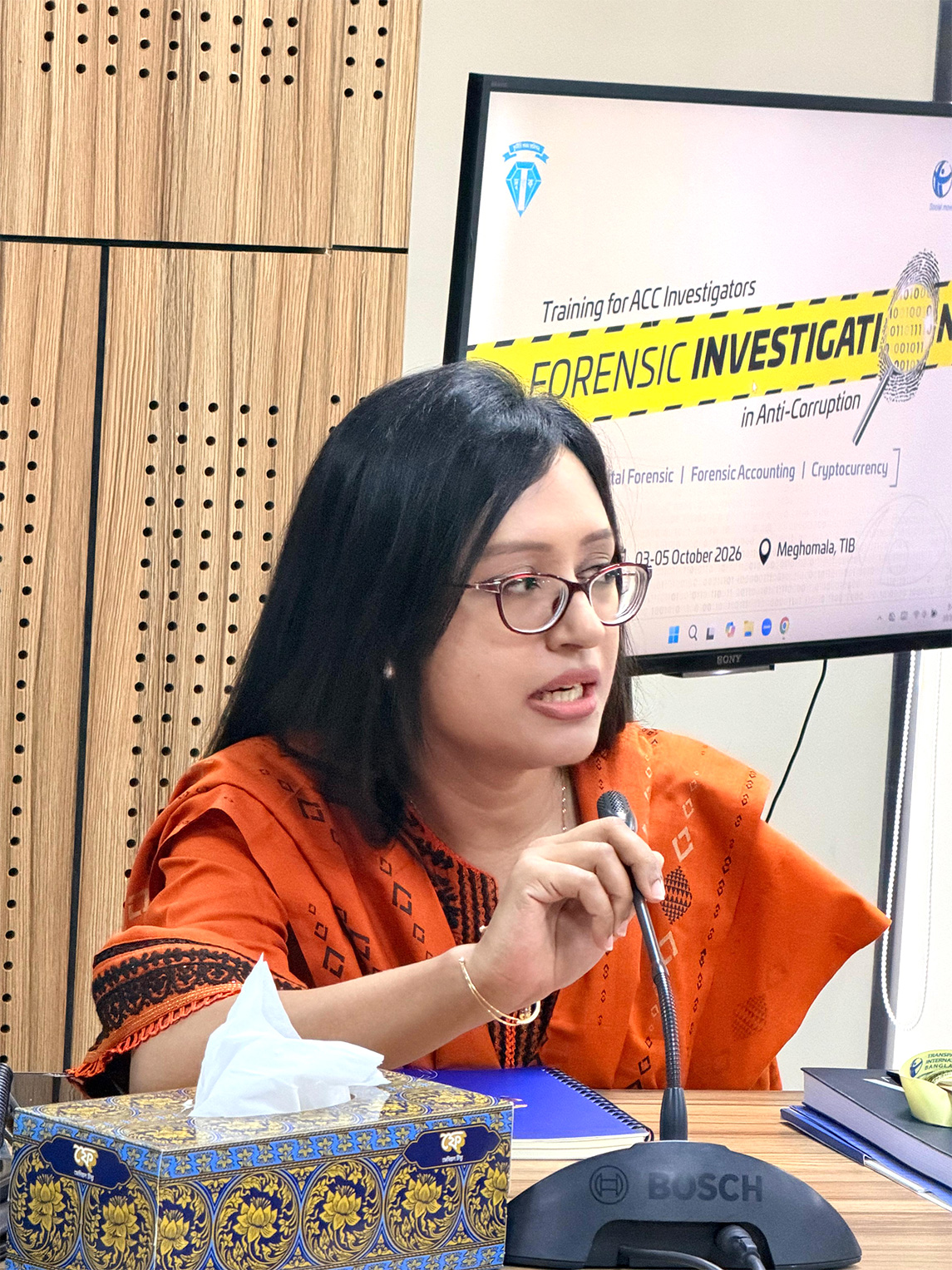
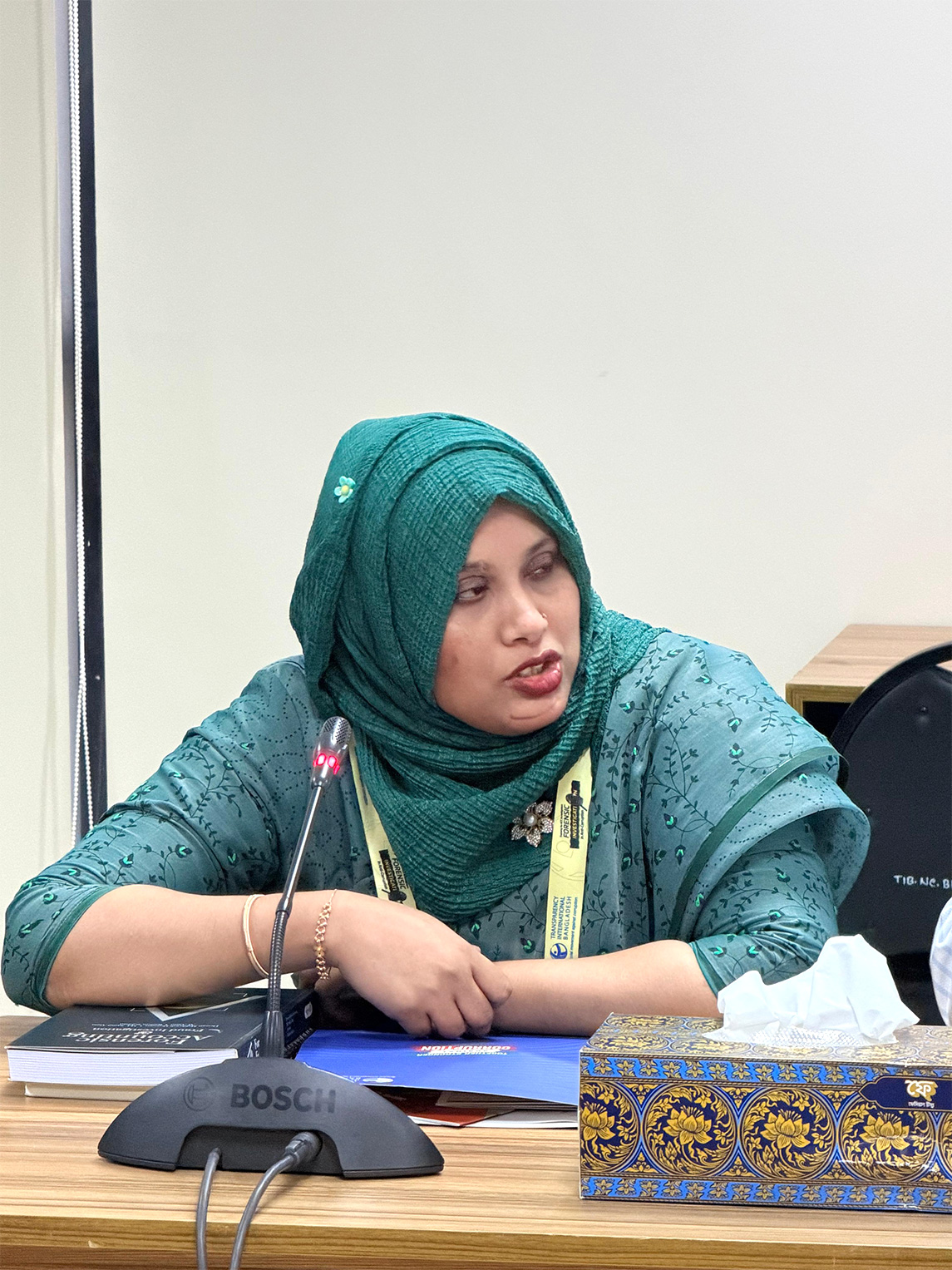
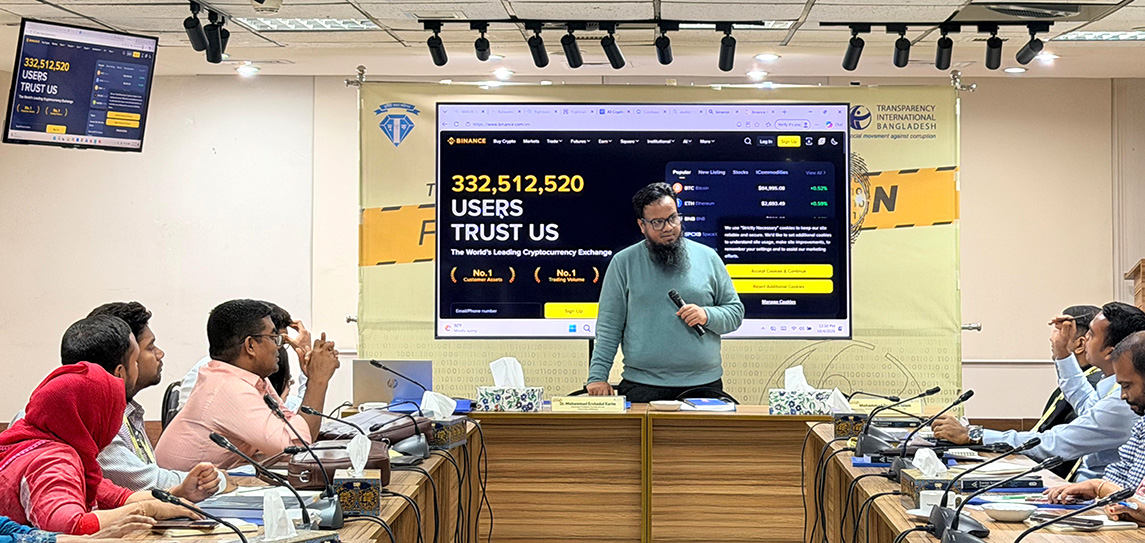
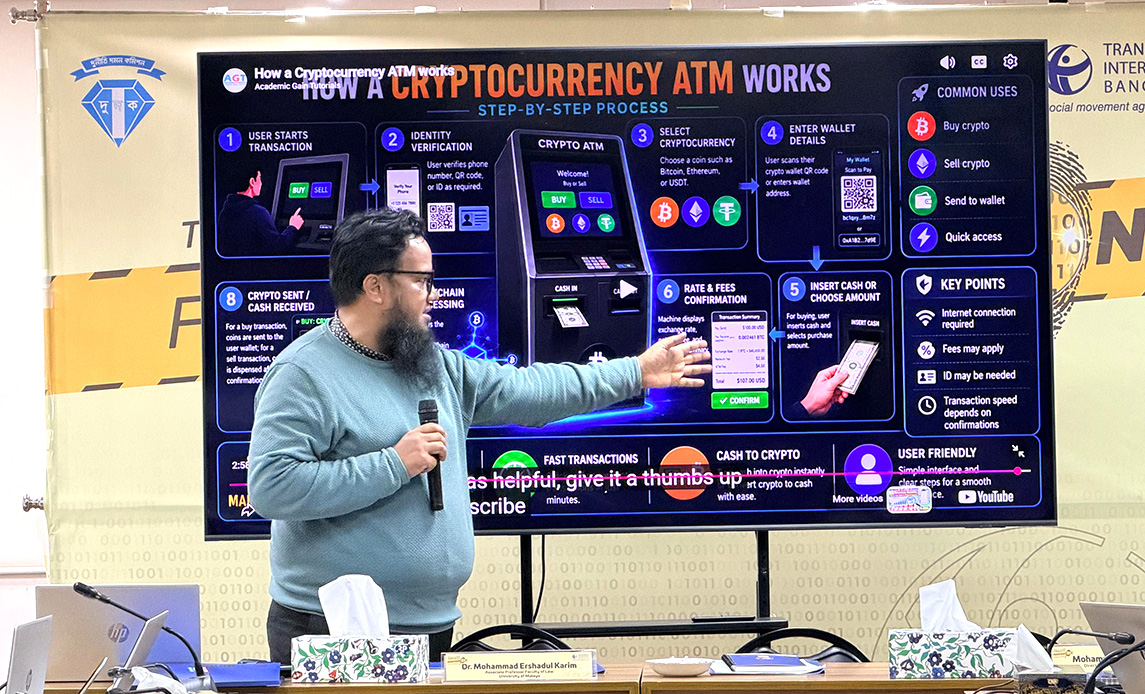
From there, the focus shifted to the digital battleground. Dr. Mohammad Ershadul Karim, Associate Professor at the Faculty of Law, University of Malaya, guided participants through the internet ecosystem, e-money, and the difference between centralized and decentralized virtual currencies before opening up the architecture of blockchains, distributed ledgers, and the cryptography behind assets like Bitcoin. He also covered the global regulatory landscape, anti-money laundering frameworks, and Know Your Customer (KYC) requirements. Investigators then turned to forensic blockchain analysis: tracing illicit transactions across decentralized networks, using mutual legal assistance, and working through the legal and tax challenges of tracking virtual assets. This was the very trail the investigator had described as vanishing into thin air.
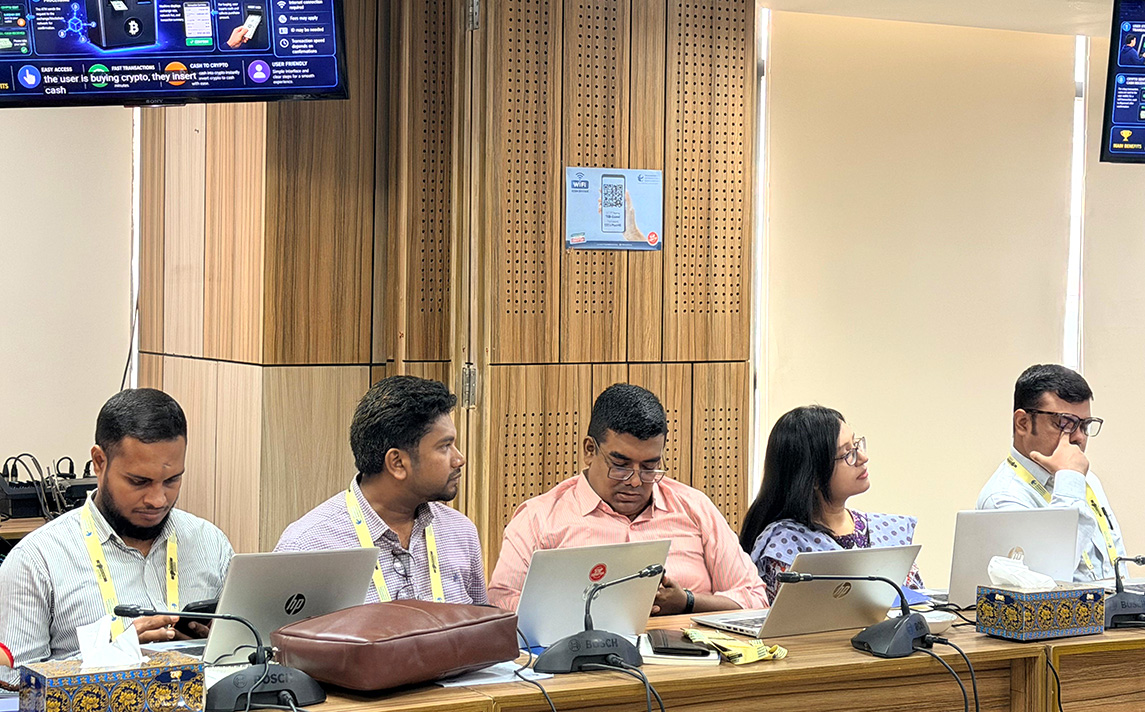
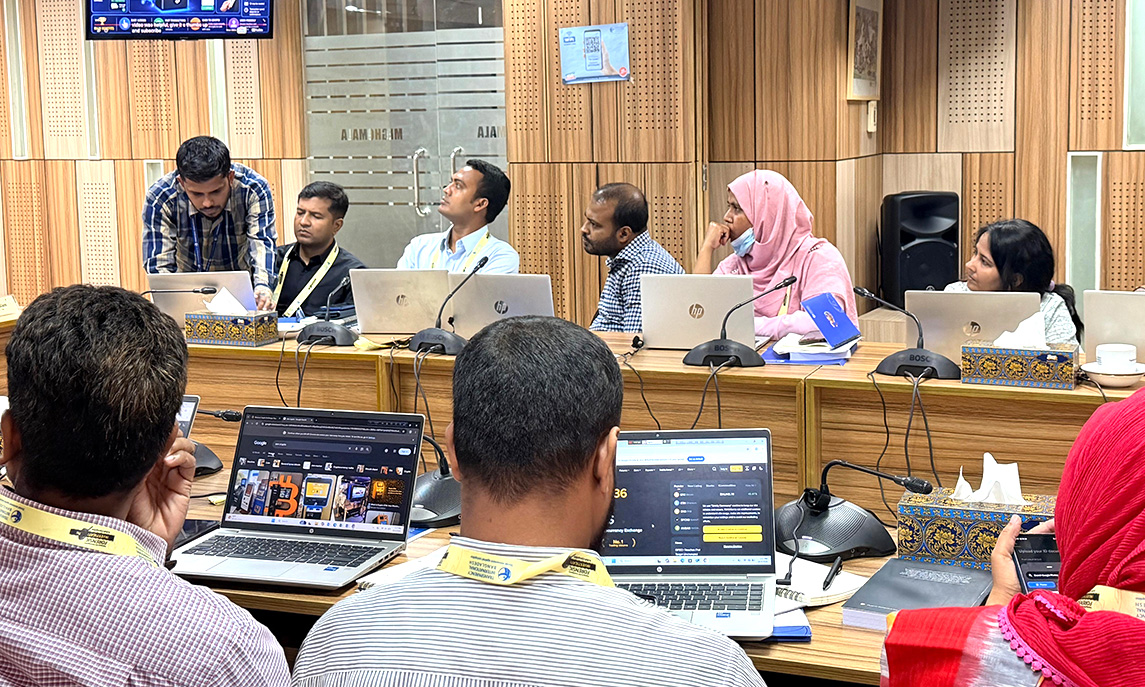
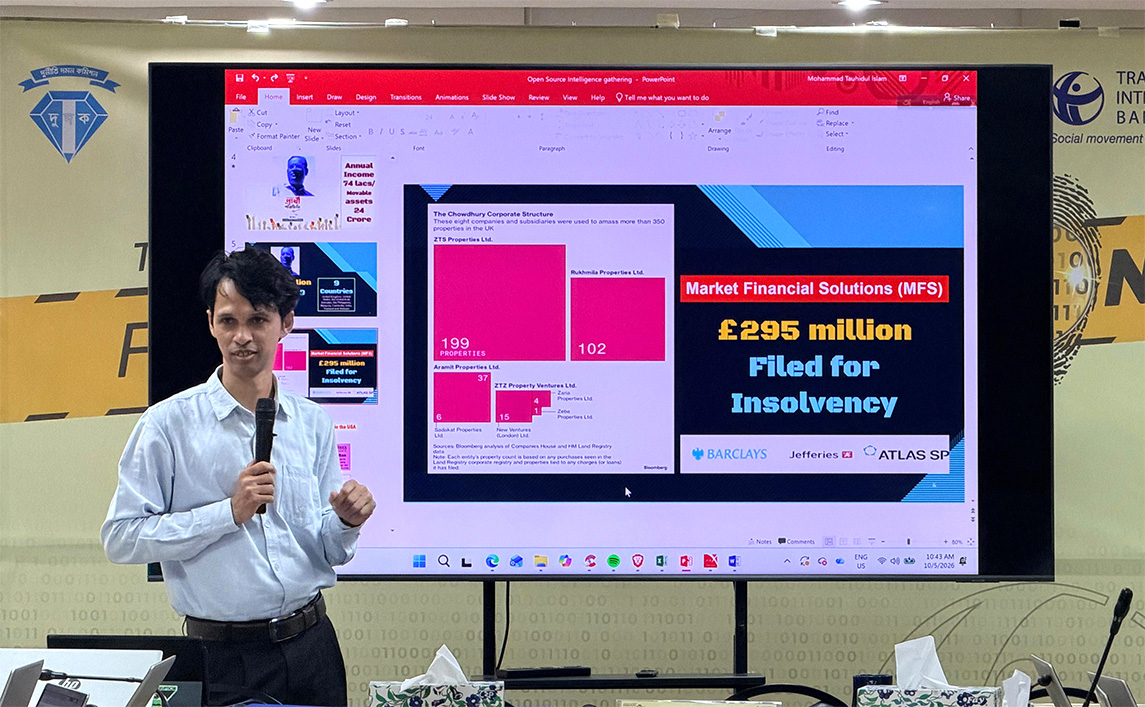
Then the work moved from the lecture to the keyboard. Sitting side-by-side with participants, TIB’s Mohammad Tauhidul Islam showed how open-source data and data transparency tools can be pulled together to track who owns what and to uncover wealth that has been hidden from view. The aim was simple: to make digital intelligence gathering part of an investigator’s everyday routine, not a task left to specialists.
As the program drew to a close and participants received their certificates, Professor Dr. Sumaiya Khair, Adviser, Executive Management, TIB, reminded them that skills grow through use and encouraged them to put what they had learned to work in their day-to-day investigations. TIB Executive Director Dr. Iftekharuzzaman spoke of a shared purpose: “TIB will succeed only when the ACC succeeds because TIB's success is fundamentally tied to the effectiveness of the ACC.” He pledged TIB’s continued support for complex investigations and the use of open-source data.
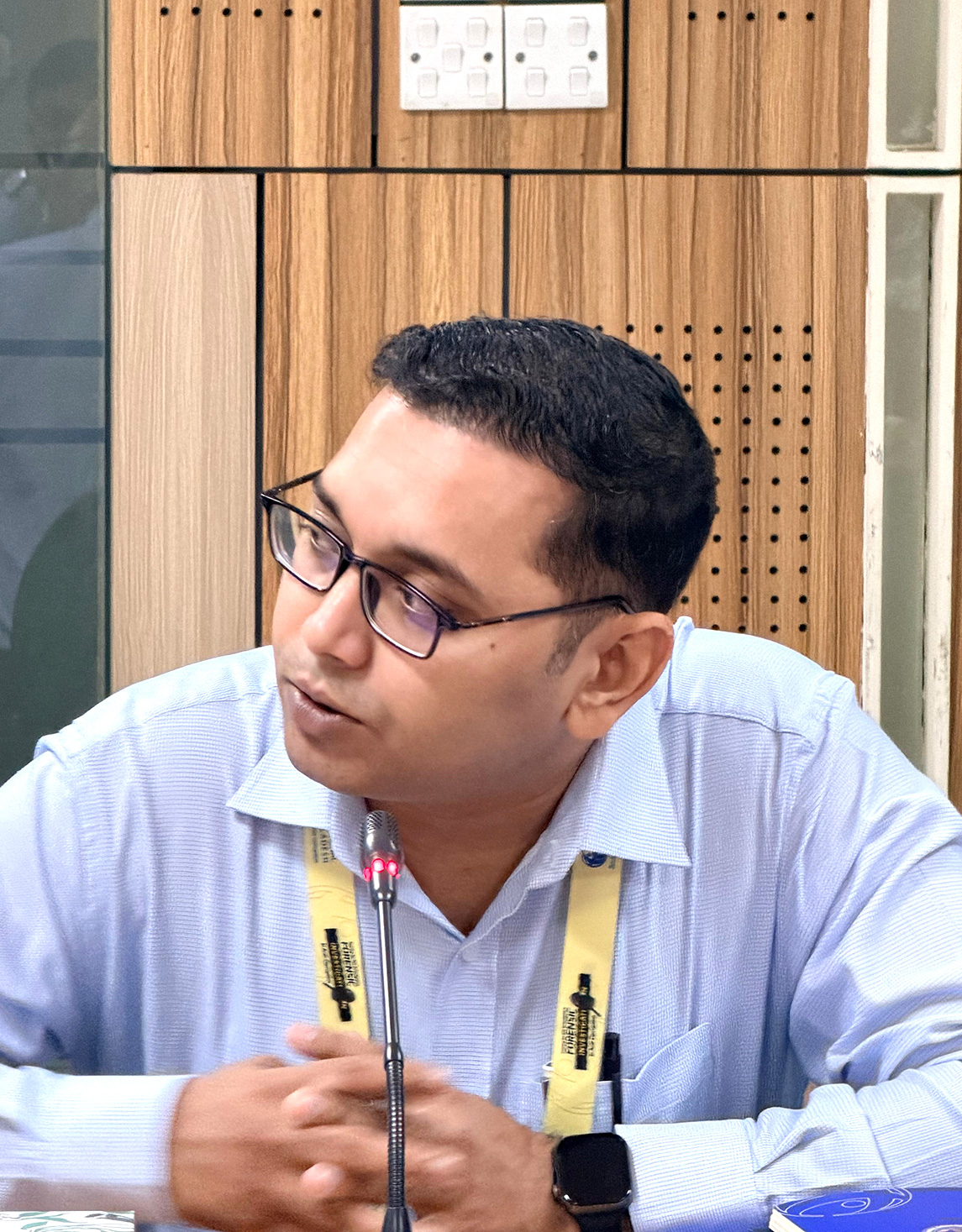
Dr. Zahangir Alam Khan, Commissioner (Investigation) of the ACC, attended the ceremony as chief guest. Highlighting the changing patterns of crime, he noted that investigating transnational corruption, cryptocurrency transactions, and hidden assets requires moving far beyond enclosed-room inquiries into a broader, technology-driven investigative approach.
One of the clearest outcomes was a shift in how participants saw TIB. Many said they had previously viewed TIB solely through the lens of social movement and prevention but discovered an operational ally with databases and tools that can support cross-border asset tracing and digital investigations. They left with improved skills to bridge informal data channels and use advanced technical tools for cracking complex financial crimes.
Thirty investigators have now returned to their desks in Dhaka and in district offices with new ways of reading financial statements, following crypto transactions, and using open data to uncover hidden assets. Wealth that once seemed to vanish into thin air now leaves a trail they are better equipped to follow, and with continued collaboration between the ACC and TIB, that trail can lead to accountability and the recovery of stolen public wealth.