Published: 16 September 2026
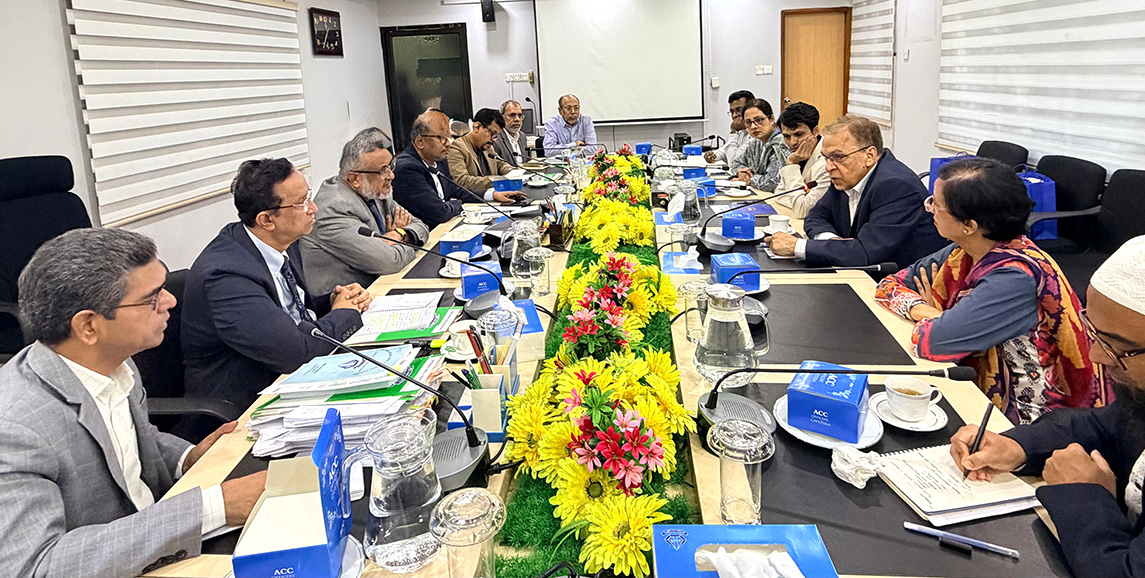
Transparency International Bangladesh (TIB) and the Anti-Corruption Commission (ACC) have reaffirmed their commitment to sustaining and strengthening mutual cooperation and joint programs aimed at achieving long-term, effective success in combating corruption. The two organisations pledged to continue their complementary roles in enhancing institutional capacity and reinforcing preventive measures against corruption.
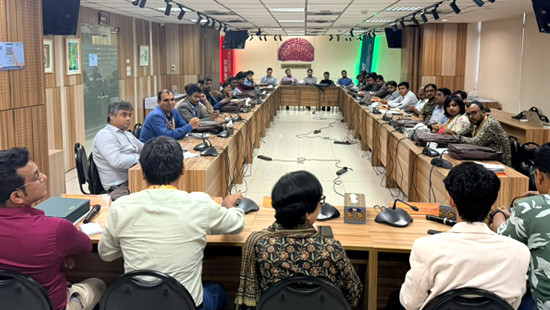
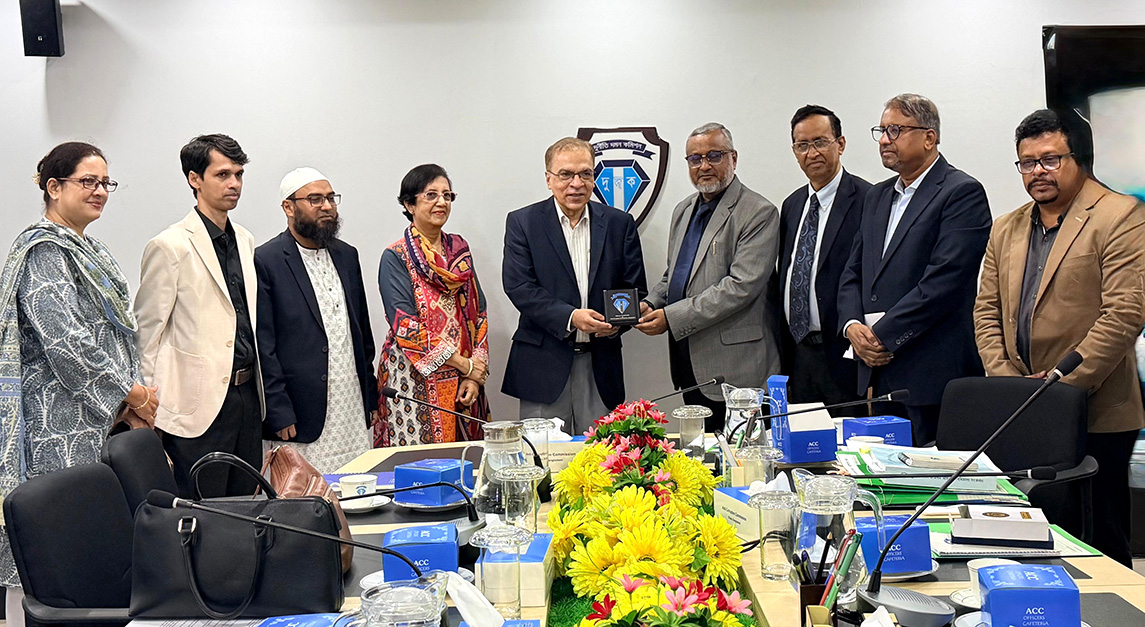
The commitment was made during a courtesy call and goodwill exchange meeting between TIB's senior leadership and the newly appointed ACC Chairman and Commissioners, held on 7 September 2026 Monday morning at the ACC's headquarters in Segunbagicha, Dhaka.
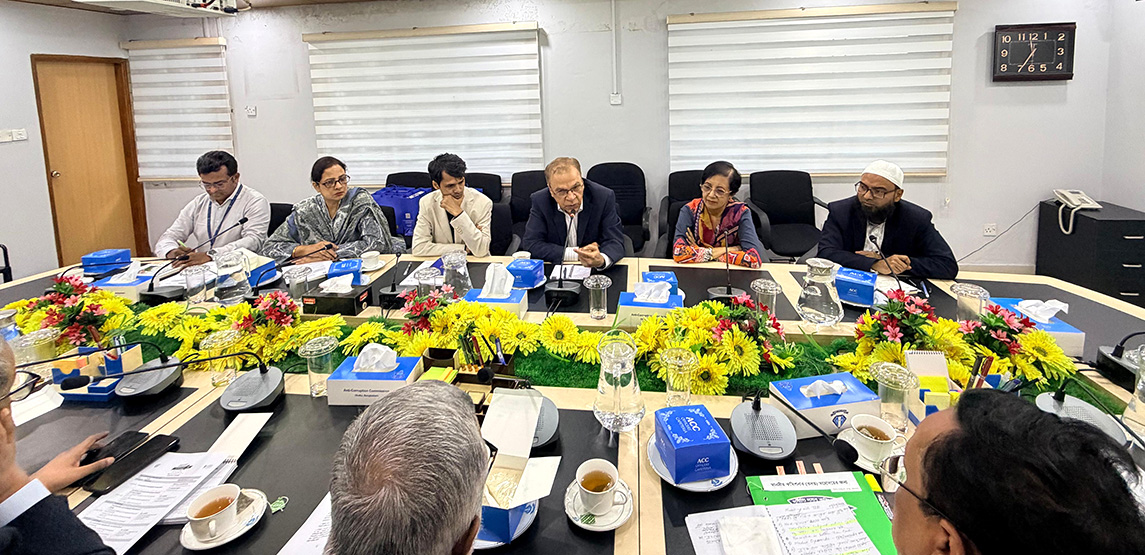
In his opening remarks, TIB Executive Director Dr. Iftekharuzzaman recalled TIB's pivotal role in the establishment of ACC in 2004 as an independent anti-corruption body, noting that TIB had also drafted the foundational ACC Act. He emphasised that TIB has played a significant role in providing policy and strategic support to the ACC since its inception, a role that continues to this day. Dr. Iftekharuzzaman reaffirmed that TIB will remain committed to providing technical assistance to enhance ACC's institutional excellence, while also continuing to offer constructive criticism by highlighting the ACC's shortcomings in building public trust.
ACC Chairman Justice A. K. M. Asaduzzaman described the two organisations as complementary to each other, sharing a common purpose, to reduce corruption in society and create a transparent system for citizens. He acknowledged that the ACC has many limitations and capacity gaps, and that as an investigative body, it faces significant constraints. He stressed that without the cooperation of organisations like TIB and the support of the general public, the ACC cannot achieve meaningful change. The Chairman expressed the ACC's determination to build public trust so that citizens feel the ACC is on their side in the fight against corruption. He also sought TIB's support in addressing money laundering and repatriating illegally transferred assets from abroad, and affirmed the continuation of all joint activities under the existing Memorandum of Understanding (MoU) between the two organisations.
TIB Adviser, Executive Management, Professor Dr. Sumaiya Khair, shared that TIB has conducted two evaluation studies on ACC capacity and operations, one focusing exclusively on the ACC, and another providing a comparative analysis of anti-corruption bodies in South Asia. She proposed that TIB could facilitate policy advocacy sessions based on these findings to assist the current ACC leadership. She noted that such sessions could serve as a baseline for the new leadership to identify priorities and chart a more dynamic path forward for the Commission. The ACC Chairman responded positively and expressed hope that a dedicated forum could be established for this purpose.
The meeting agreed to immediately pursue the following joint activities, prioritising qualitative improvements in corruption investigation and creating direct grassroots impact in corruption prevention:
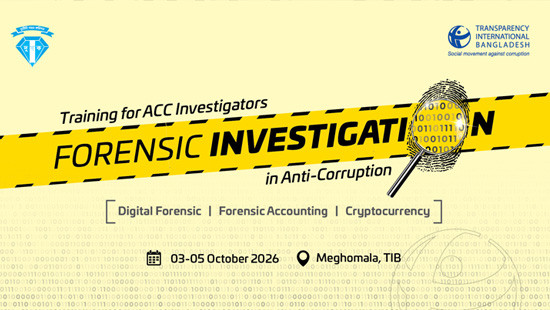
- Training for ACC Investigation Officers: TIB will organise specialised training for selected ACC investigation officers on digital forensics and anti-money laundering, incorporating skills development in complaint screening, strategic investigation planning, and fundamental accounting.
- Joint Public Hearings: Both organisations agreed to regularly organise joint public hearings to reduce citizens' suffering, in accordance with the existing MoU, and expressed the intention to discuss and implement this initiative in due course.
- International Anti-Corruption Day: Both organisations expressed interest in exploring joint partnership activities to observe International Anti-Corruption Day on 9 December.
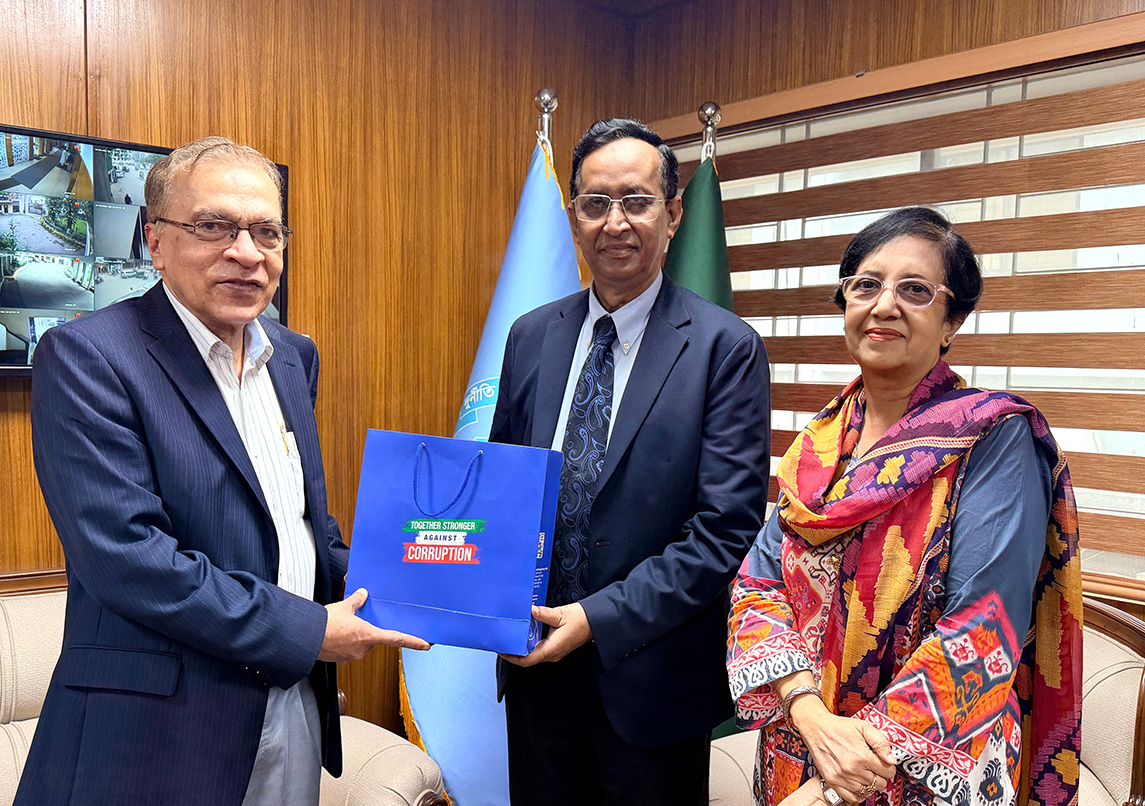
Noting that these joint commitments will further accelerate the goal of building a corruption-free Bangladesh and strengthen public trust in the ACC, TIB urged the Commission to urgently take the following steps:
- Hotline Enhancement: Improve and expand the effectiveness and reach of ACC's Hotline 106.
- Reform Implementation: Take visible and effective steps to restore public trust in the Commission and ensure institutional integrity and swiftly implement the recommendations of the ACC Reform Commission that the organisation can act on independently.
- Entrapment Operations: Expand and sustain the use of sting operations to bring corrupt individuals to justice.
In response, the ACC Chairman and Commissioners expressed their sincerity and positive outlook on all the above matters. The ACC discussed and expressed intent to pursue the following:
- Conducting micro-level, sector-specific research using TIB's existing research and policy briefs on areas such as land mutation, and providing effective policy advice to relevant institutions for corruption prevention.
- Working collaboratively with TIB to review and implement the ACC Reform Commission's recommendations and strengthen institutional capacity.
- Continuing to seek external technical support through civil society partnership and coordination to fulfil the Commission's mandate and overcome institutional weaknesses.
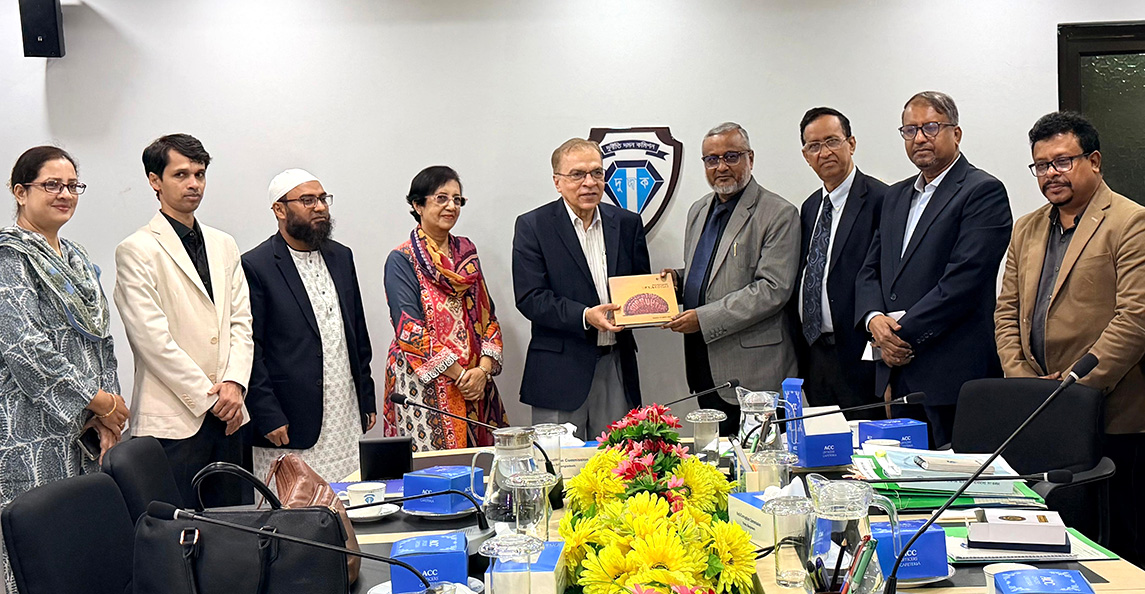
In the meeting, TIB Executive Director Dr. Iftekharuzzaman, Adviser, Executive Management Prof. Dr. Sumaiya Khair, Director, Research and Policy Muhammad Badiuzzaman, Director, Civic Engagement Farhana Ferdous, Director, Outreach and Communication Mohammad Tauhidul Islam, and Deputy Coordinator of the same department Zafar Sadiq were present. On behalf of the ACC, Chairman Justice A. K. M. Asaduzzaman, Commissioner, Investigation Dr. Jahangir Alam Khan, Commissioner, Inquiry Dr. Md. Sajjad Hossain Bhuiyan, Secretary Md. Saidur Rahman Khan, Director General, Administration Abu Hena Mostafa Zaman, Director General, Special Investigation Mir Md. Zainul Abedin Shibli, and other senior officials were also present.