Published: 06 July 2026
A pregnant woman waits patiently at a Union Health and Family Welfare Centre, hoping for the reassurance of a routine antenatal check-up. Hours pass before she learns that the doctor will not be coming that day. In another corner of the facility, a patient walks away empty-handed after making yet another unsuccessful attempt to collect medicines that should have been available free of charge. Elsewhere, someone seeking basic healthcare is quietly asked for an informal payment before receiving treatment, while brokers position themselves between patients and the services they are entitled to receive.
For many people in Bangladesh, these are not exceptional experiences. They are everyday reminders that access to quality healthcare depends on more than trained doctors, modern facilities, or medical supplies. It also depends on whether the system itself is transparent, accountable, and responsive to the people it serves.
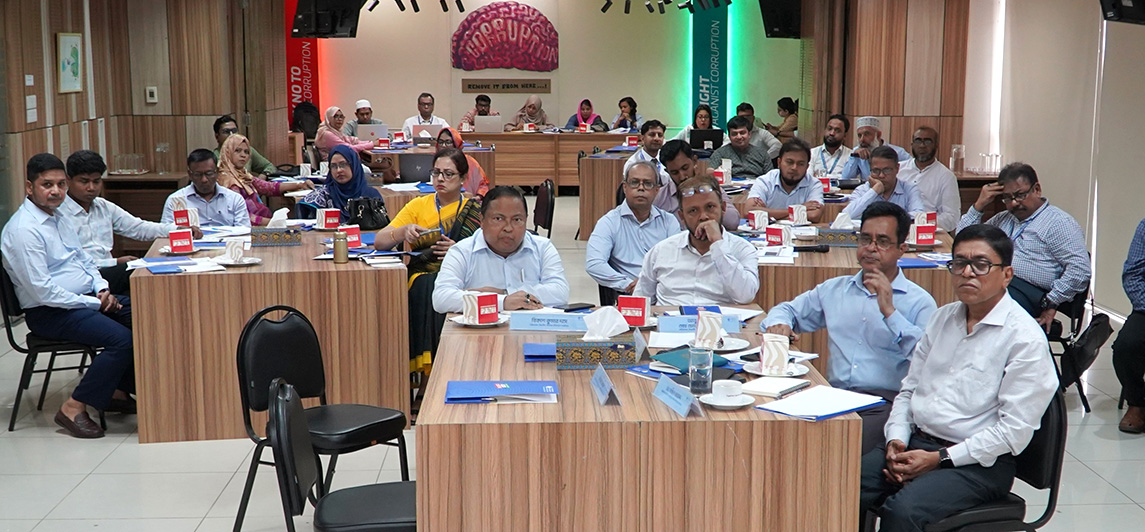
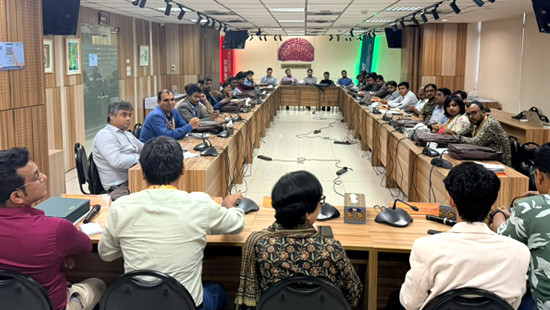
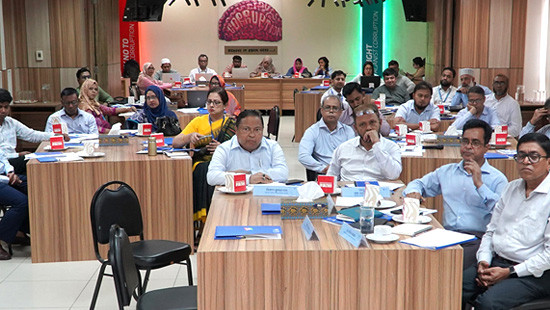
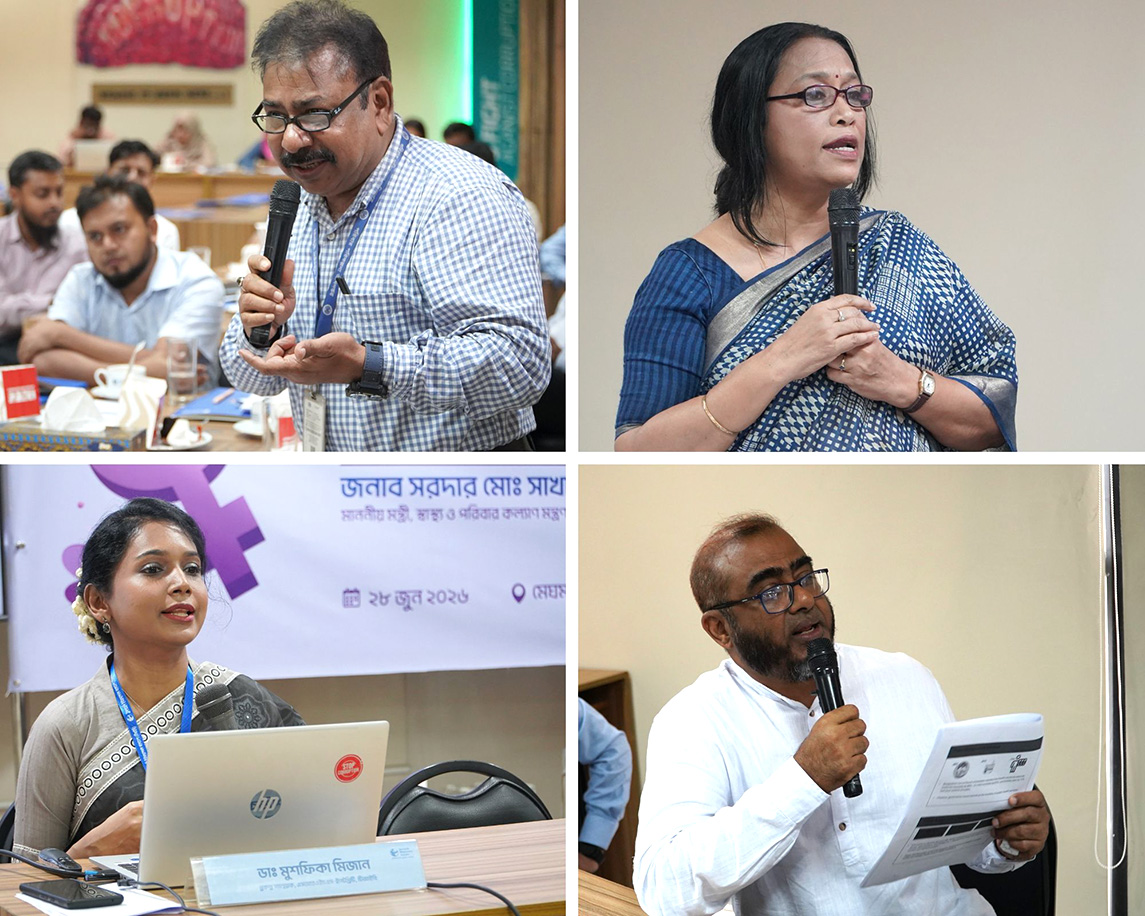
This understanding emerged powerfully during a discussion that brought together members of TIB's Committees of Concerned Citizens (CCCs), health practitioners, and development professionals. What began as one participant's account of local healthcare challenges quickly evolved into something much larger.
Md. Mijanur Rahman Litu, convener of the Health Sub-Committee of the Nilphamari Committee of Concerned Citizens, described what he had observed while monitoring health services in his district. His reflections centered on a simple but fundamental question—are people actually receiving the sexual and reproductive healthcare services they have been promised?
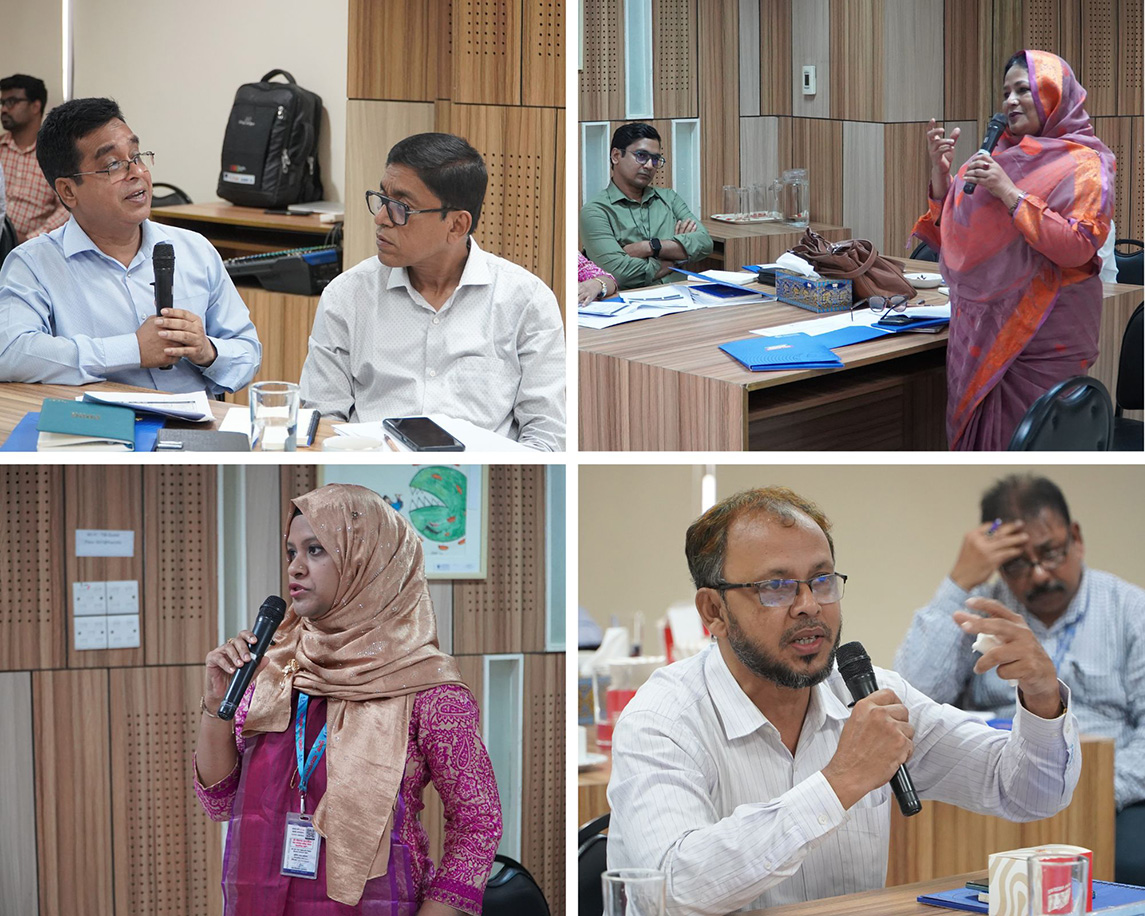
His question resonated immediately. A participant from Lakshmipur spoke of patients routinely navigating broker networks before they could access basic care. Persistent medicine shortages, absentee healthcare providers, and informal payments gradually became accepted as part of seeking treatment, as described by others. As more participants shared their experiences, a striking pattern emerged. The districts were different, but the stories were remarkably similar.
The conversation revealed that these were not isolated service failures. They pointed to deeper governance challenges affecting the delivery of sexual and reproductive healthcare across different parts of the country.

This reality sharply contrasts with Bangladesh's widely recognized achievements in the health sector. Over the past decades, the country has earned international recognition for reducing maternal and child mortality, expanding family planning services, and improving access to reproductive healthcare.
Yet impressive national indicators do not always reflect people's everyday experiences.
For many women—particularly those in rural and underserved communities—quality sexual and reproductive healthcare remains uncertain. Administrative weaknesses, limited accountability, medicine supply disruptions, and corruption continue to undermine both service quality and public confidence. Adolescents and marginalized women often bear the greatest burden, facing barriers that extend well beyond medical treatment itself.
The stories shared during the discussion were not simply personal frustrations. They reflected a broader governance challenge—one that cannot be solved by expanding services alone but by ensuring that those services are delivered fairly, transparently, and consistently.
As participants reflected on these recurring challenges, one conclusion became increasingly difficult to ignore: the experiences they were describing were not isolated incidents. They reflected broader governance failures within the health system.
National evidence reinforces this reality. A recent National Household Survey conducted by Transparency International Bangladesh (TIB) found that 64.4 percent of households experienced some form of corruption while accessing healthcare, while nearly one in three service seekers reported paying bribes or informal fees. Together, these findings reveal more than service delivery gaps—they point to systemic weaknesses that undermine public trust and make quality healthcare increasingly difficult to access, particularly for women and adolescents.
The discussion made one thing clear that, improving sexual and reproductive healthcare is not simply about expanding facilities or increasing resources. It also requires strengthening the systems that ensure services are delivered with integrity, transparency, and accountability.
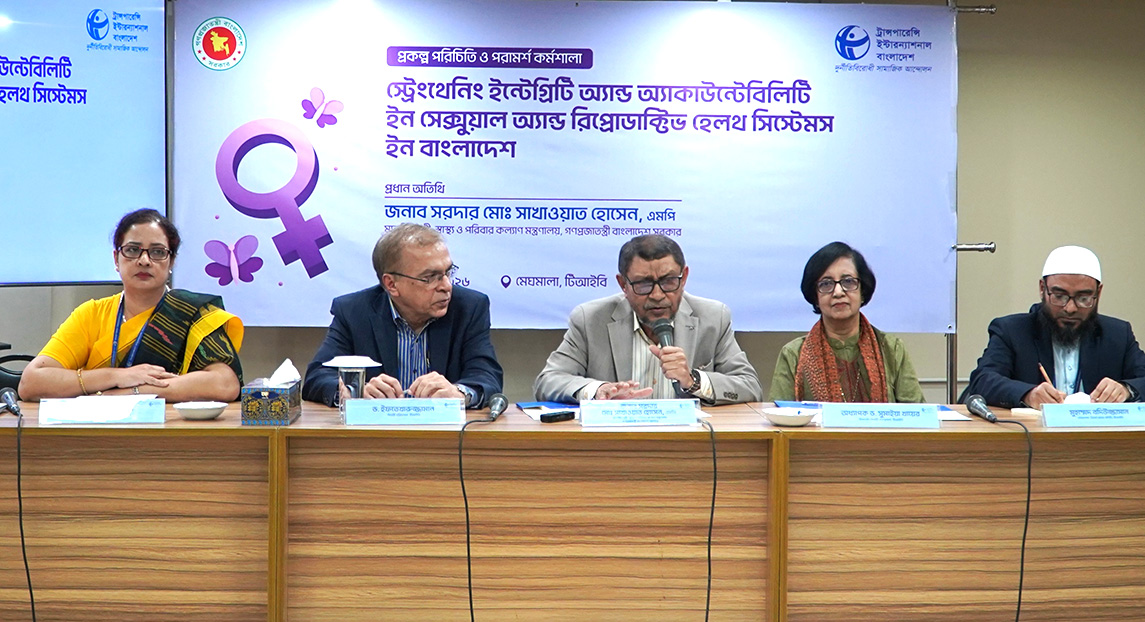
It is this understanding that inspired TIB's new initiative, "Strengthening Integrity and Accountability in Sexual and Reproductive Health Systems in Bangladesh." Supported by the Government of Sweden and Transparency International Global Health, the project has begun work in 16 Union Health and Family Welfare Centers across Lakshmipur and Nilphamari, placing governance—not only healthcare delivery—at the center of the conversation.
At the heart of the initiative is a simple but important idea: lasting improvements begin by listening to the experiences of the people who use health services every day. Rather than treating those experiences as isolated complaints, the project will systematically document them and transform them into evidence for constructive engagement with service providers and policymakers.
Specially trained female community facilitators will regularly monitor health facilities using digital data collection tools. They will collect information on issues such as medicine availability, staff attendance, informal payments, discrimination in service delivery, and the transparency of local budget implementation. The aim is not merely to identify problems but to generate credible evidence that can support practical solutions and policy improvements.
By connecting community experiences with reliable data, the initiative seeks to strengthen dialogue between citizens, local health authorities, and national decision-makers, ensuring that governance challenges identified at the grassroots level can inform reforms at higher levels of the health system.
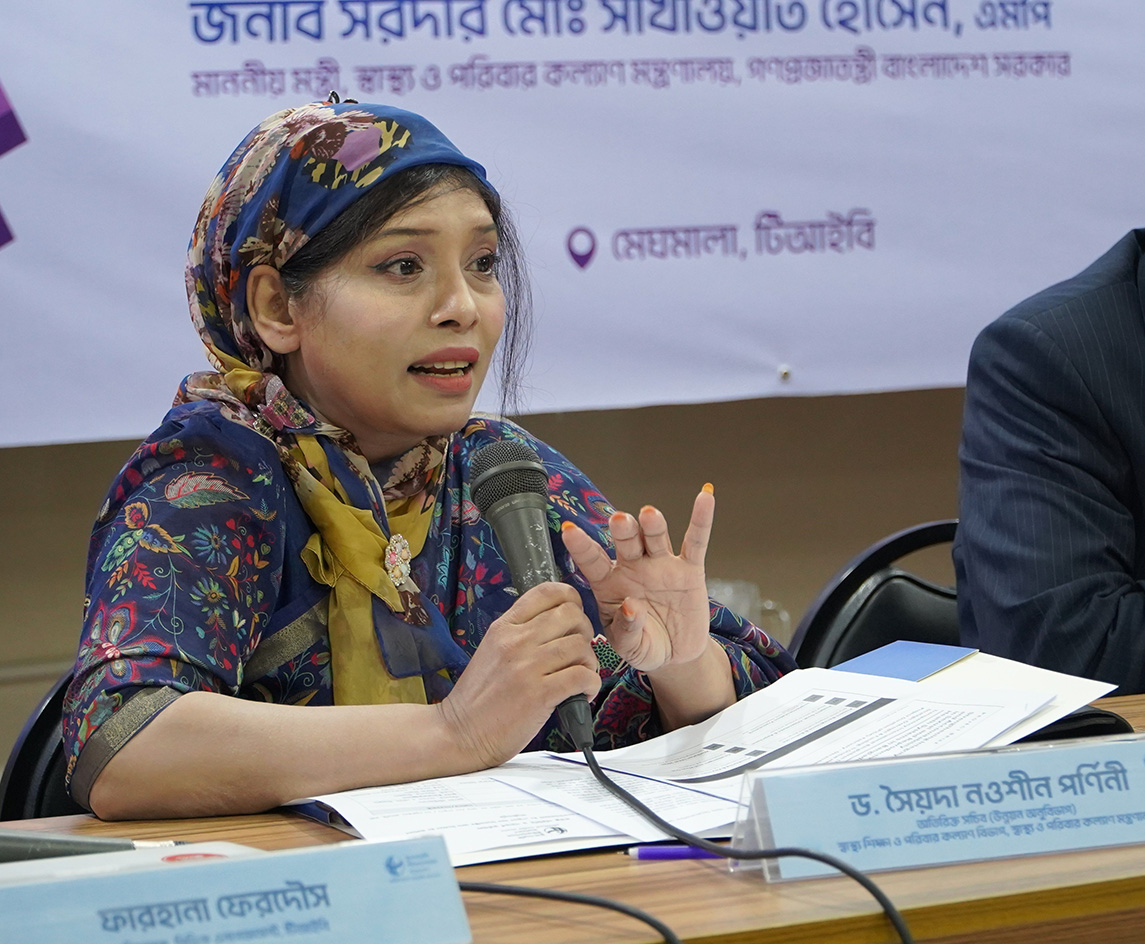
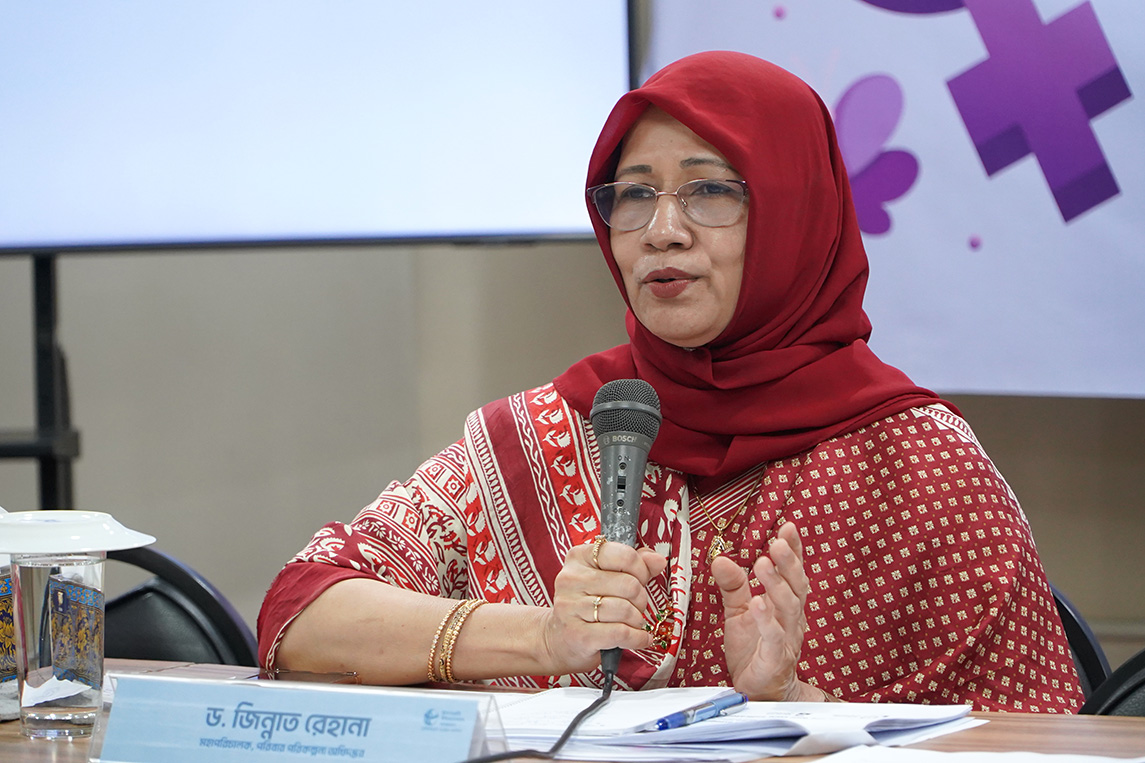
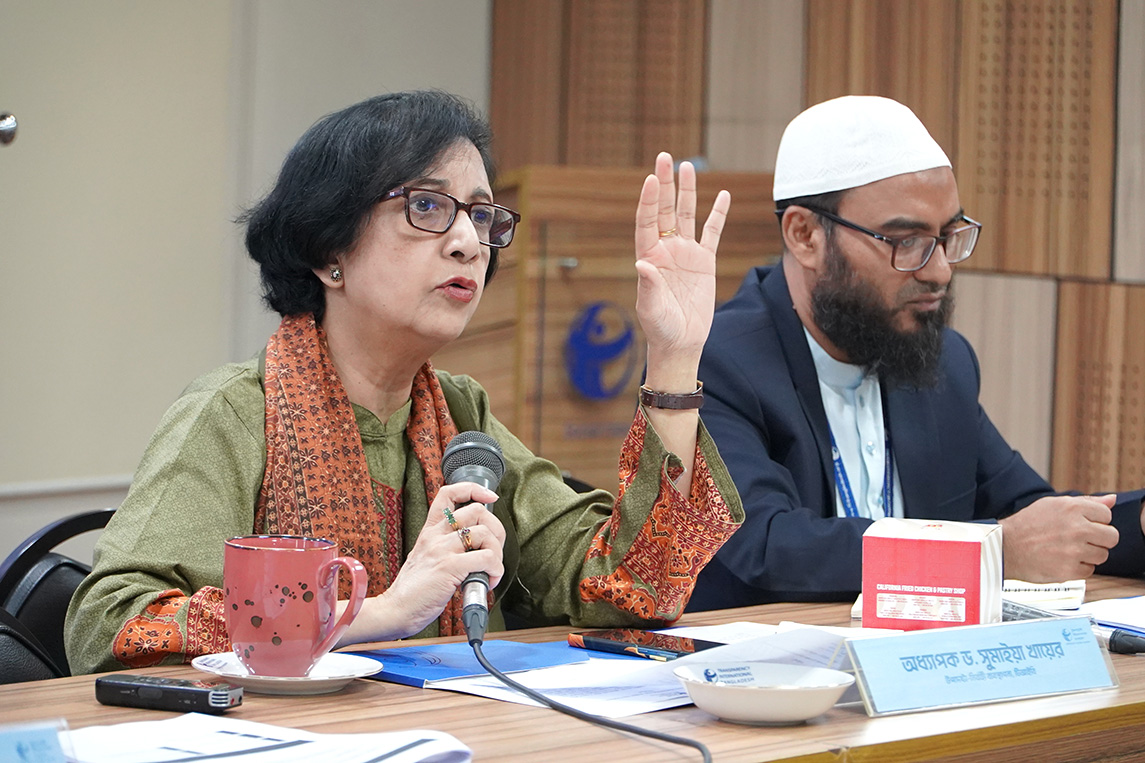
The launch of the initiative brought together government representatives, public health experts, and civil society leaders, who shared a common understanding: quality healthcare depends not only on infrastructure, medicines, or skilled professionals, but also on accountable institutions that people can trust.
For TIB, strengthening sexual and reproductive healthcare therefore begins with strengthening governance. When citizens' experiences are heard, documented, and translated into evidence, they become more than individual stories—they become opportunities to improve the systems that shape people's lives.
At the launch, TIB Executive Director Dr. Iftekharuzzaman emphasized that strengthening integrity and accountability in sexual and reproductive healthcare is essential to ensuring both good governance and citizens' rights. He expressed hope that the initiative would contribute to building a more transparent, responsive, and people-centered health system through collaboration among communities, health authorities, and policymakers.
Ultimately, this initiative is not only about improving services at selected health facilities. It is about creating conditions where women seeking antenatal care, adolescents accessing reproductive health services, or families visiting their local health center no longer have to rely on luck, personal connections, or informal payments to receive the care they deserve. Because access to quality sexual and reproductive healthcare should never be a matter of chance. It should be protected by systems that are transparent, accountable, and designed to serve every citizen with dignity.