Published: 16 March 2025
Concept Note
Context
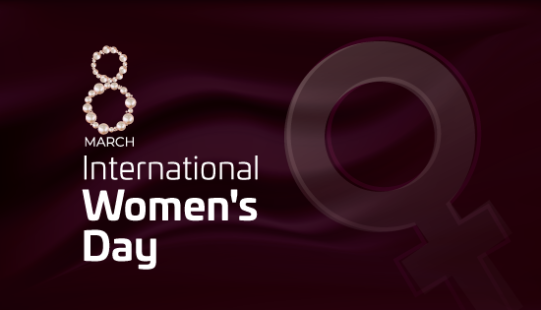
Violence and sexual assault against women and chlidren have become a daily and widespread issue in the country, with a recent significant increase in incidents. Women of all ages, including girls, are victims of such brutality, both in their homes and workplaces, as well as educational institutions. The scale and frequency of these crimes have instilled fear throughout the nation. This situation is unacceptable. The lack of proper law enforcement, the absence of exemplary punishment for offenders, and delays in the judicial process contribute to the insecurity and imbalance in society, which obstructs the establishment of an equitable and discrimination-free social system. To eliminate such behavior toward women and girls, it is essential to take both short-term and long-term well-planned actions. Women represent half of the country's population, and achieving sustainable development is impossible without their active participation. Bangladesh is committed to eliminating all forms of discrimination and deprivation of rights against women and children. The importance of this commitment has greatly increased in the 'new Bangladesh,' built through unprecedented bloodshed and sacrifice for equality. To ensure women's rights and empowerment, Bangladesh has enacted several laws and regulations in line with the Constitution and signed international agreements, including the Convention on the Elimination of All Forms of Discrimination Against Women (CEDAW), the National Policy for Women's Development, and the Prevention of Cruelty to Women and Children Act. According to Article 28(4) of the Constitution, the state cannot be restricted from enacting special provisions in favor of women or children. Additionally, Sustainable Development Goal 5 emphasizes the importance of ensuring equal rights and empowering women and girls. While Bangladesh has consistently ranked at the top in South Asia on international gender equality indices, it dropped by 40 positions in 2024, highlighting the alarming trend of increasing violence against women and children. This is further exacerbated by religious extremism and the exploitation of religious misinterpretation to infringe upon the multi-dimensional rights of women and girls. This ongoing trend in educational institutions and various sectors of society is deeply concerning.
On the other hand, the excessive use of force by the police in the anti-rape movement and the recommendation from senior police officials to the media not to use the term "rape" reflects a continued authoritarian practice, which is more worrying. The advice given by the Dhaka Metropolitan Police Commissioner to reduce media coverage of rape cases in reality seeks to protect the perpetrators. We strongly protest against this.
For full concept note in Bangla click here.