Published: 23 June 2026
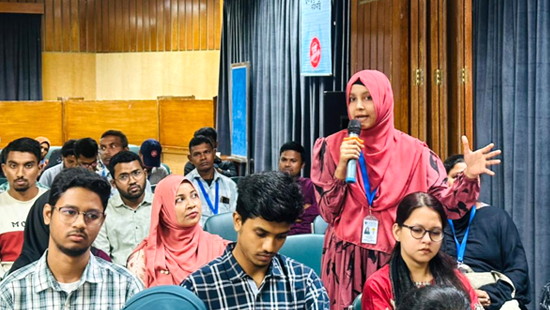
In a hall in Kushtia, a young woman stood before more than a hundred of her peers and said something that has been said in Bangladesh for generations but is rarely enforced—that the rule of law is not optional. "There is no alternative to institutional good governance in ensuring the rule of law," said Asma Ansari Miru, president of the Committee of Concerned Citizens (CCC), Kushtia. Around her, young participants from cultural groups, indigenous networks, and student groups listened closely, already preparing to take a pledge of their own.
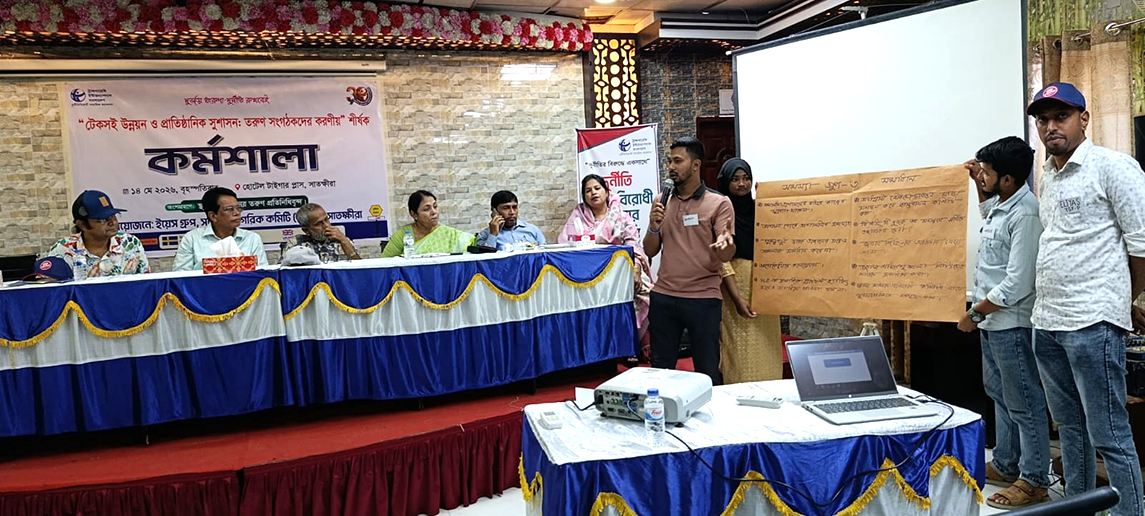
Districts beyond Kushtia carried that same energy forward. Through May 2026, Transparency International Bangladesh (TIB), working with local CCCs and Youth Engagement and Support (YES) Groups, organized this workshop to Jashore, Khulna, Satkhira, and Madhupur as part of a series of workshops titled "Sustainable Development and Institutional Good Governance: Roles of Youth Organizers."
Corruption in the public sector usually involves multiple actors. It builds up gradually, through weak accountability mechanisms and limited citizen participation, until it becomes a quiet barrier to the kind of sustainable development these young leaders had gathered to discuss. Participants already knew this barrier was real. What they wanted to know was how to respond to it.
TIB's own work is built on the same idea that creating social movements and raising awareness that turns into action, citizens who recognize corruption and are willing to stop corruption. Kazi Shafiqur Rahman and Md. Atikur Rahman, coordinators of TIB's Civic Engagement Division, carried that approach into each session. They walked participants through institutional good governance, the Sustainable Development Goals (SDG), and the Right to Information Act (RTI), 2009, a law that gives citizens the power to seek information directly instead of depending on what officials choose to share. Their aim was not to deliver any lessons but to leave participants with a sharper question that, what would accountability look like in their own district, on their own terms?
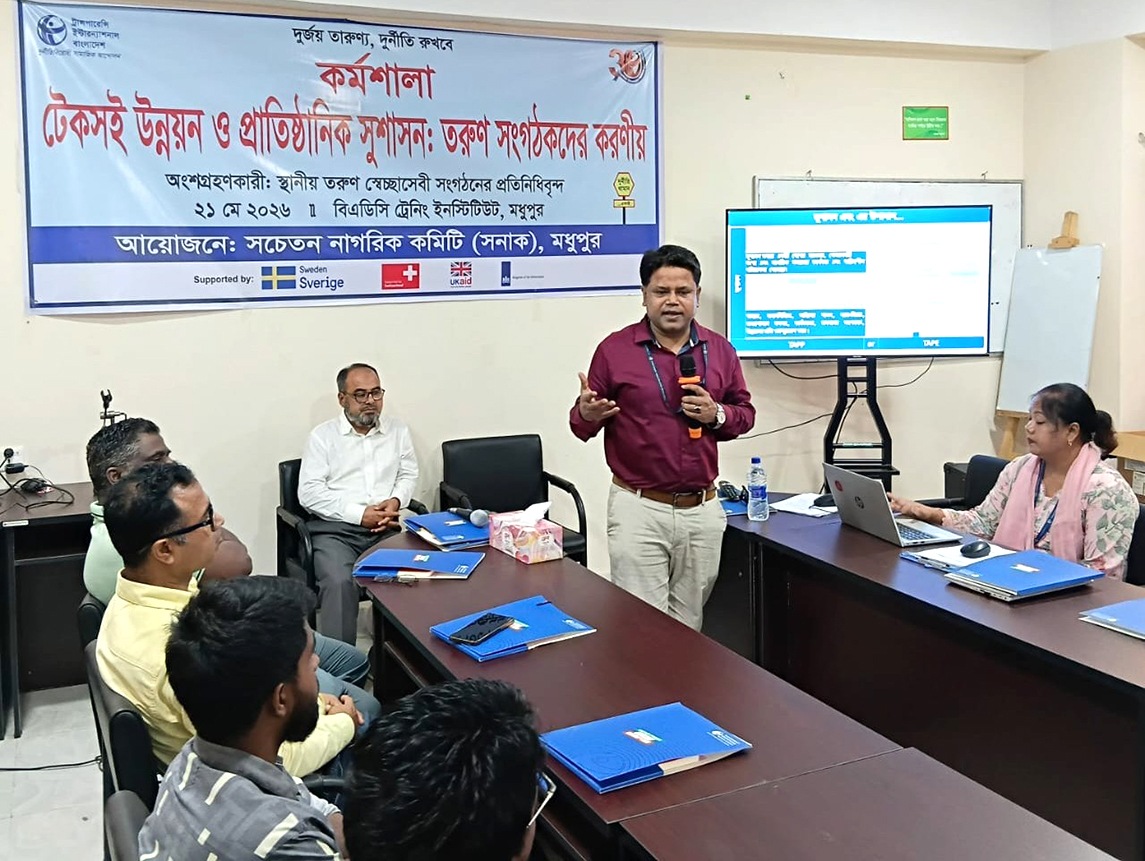
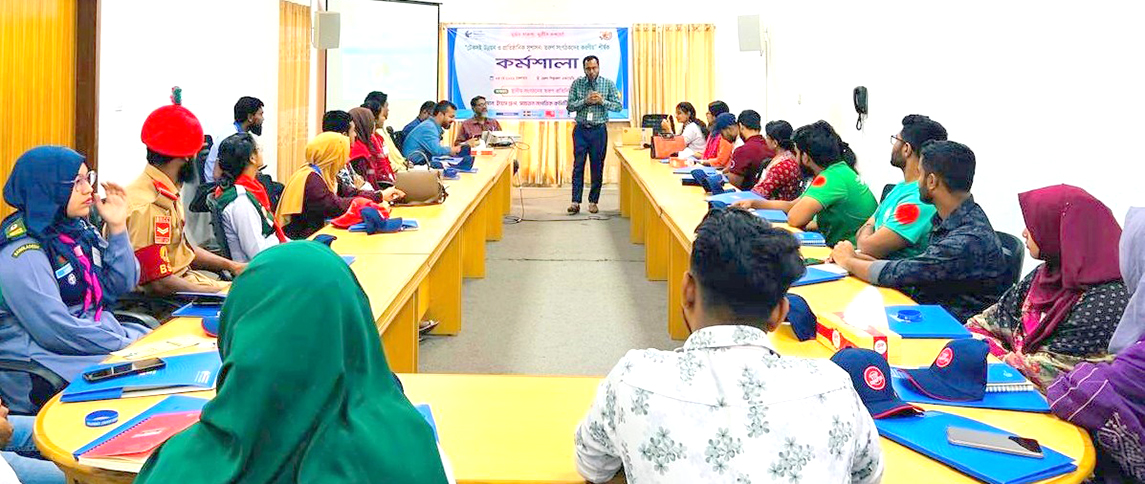
What participants answered differed from district to district, but what they meant remained the same. In Kushtia, participants said good governance is key to reducing poverty. They pledged to push for it within their communities instead of expecting it from the government. In Jashore and Khulna, that urgency shaped a conversation about ethical leadership. Participants spoke openly about corruption within government institutions, and from now on, they will question it rather than accept it. In Satkhira, this took the shape of a call to expand youth-led movements against corruption into something sustained rather than occasional. And in Madhupur, the commitment ran deeper still, as participants pledged not only to discuss accountability but also to socially reject corrupt practices at the grassroots level, extending the fight against corruption beyond the workshop room and into their everyday community life.
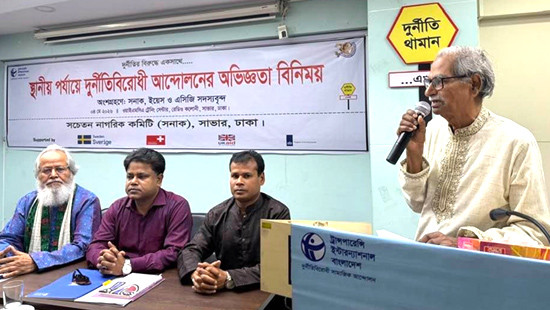
Senior citizens and dignitaries who joined these local-level workshops echoed this same opinion. Md. Oliur, convener of the YES sub-committee and a CCC Satkhira member, said, “Young people have always been the driving force behind positive social change, and their collective efforts must be strengthened further to build a corruption-free and accountable Bangladesh. Prof. Anwarul Kadir, convener of the YES sub-committee and a CCC Khulna member, spoke about the role of youth in building a transparent and accountable society. Md. Bazlur Rashid Khan, president of CCC Madhupur, called for coordinated action between government, civil society, and citizens to meet the SDGs. Dr. Hamidur Rahman, acting proctor of Jashore University of Science and Technology, described youth-led initiatives as a key driver of the country's future development.
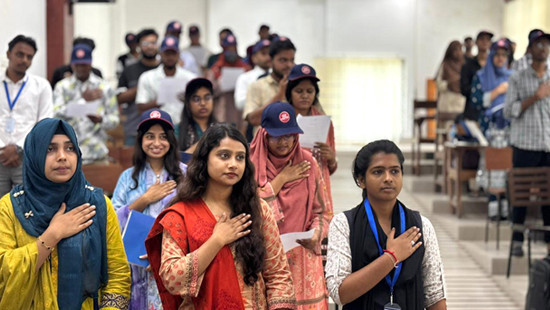
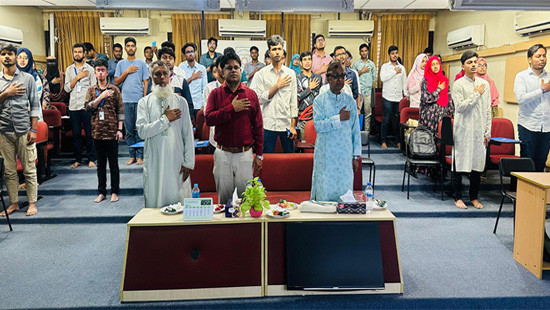
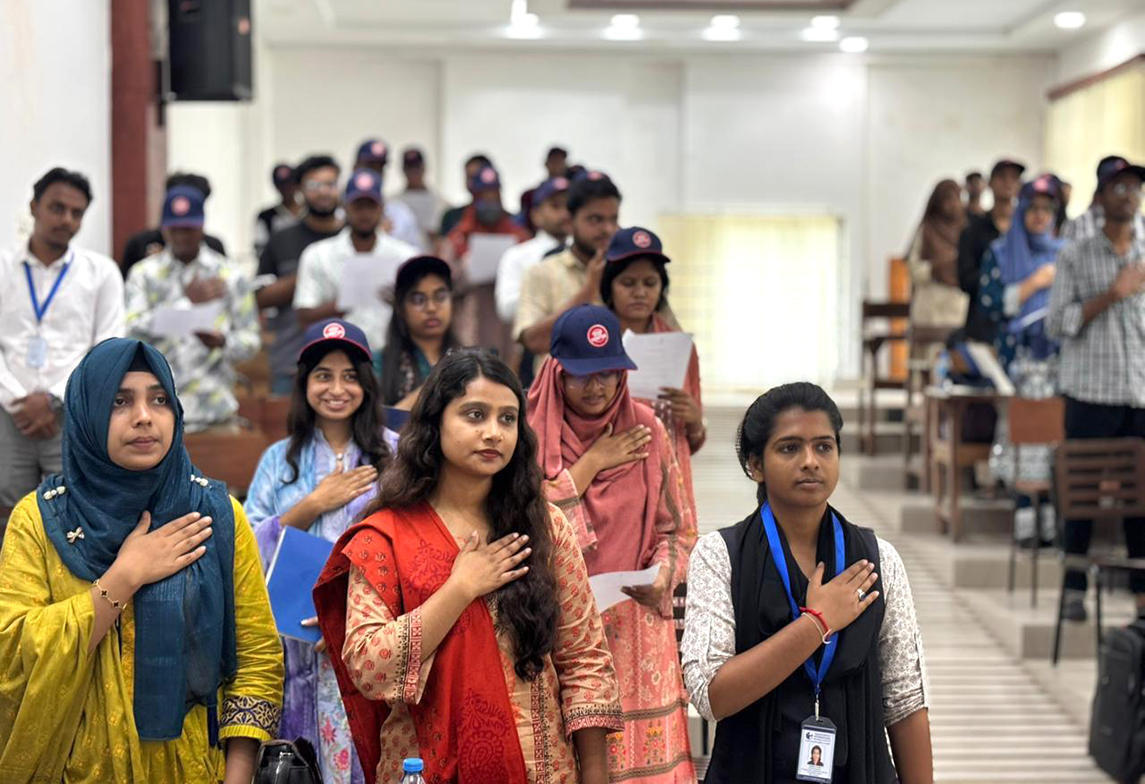
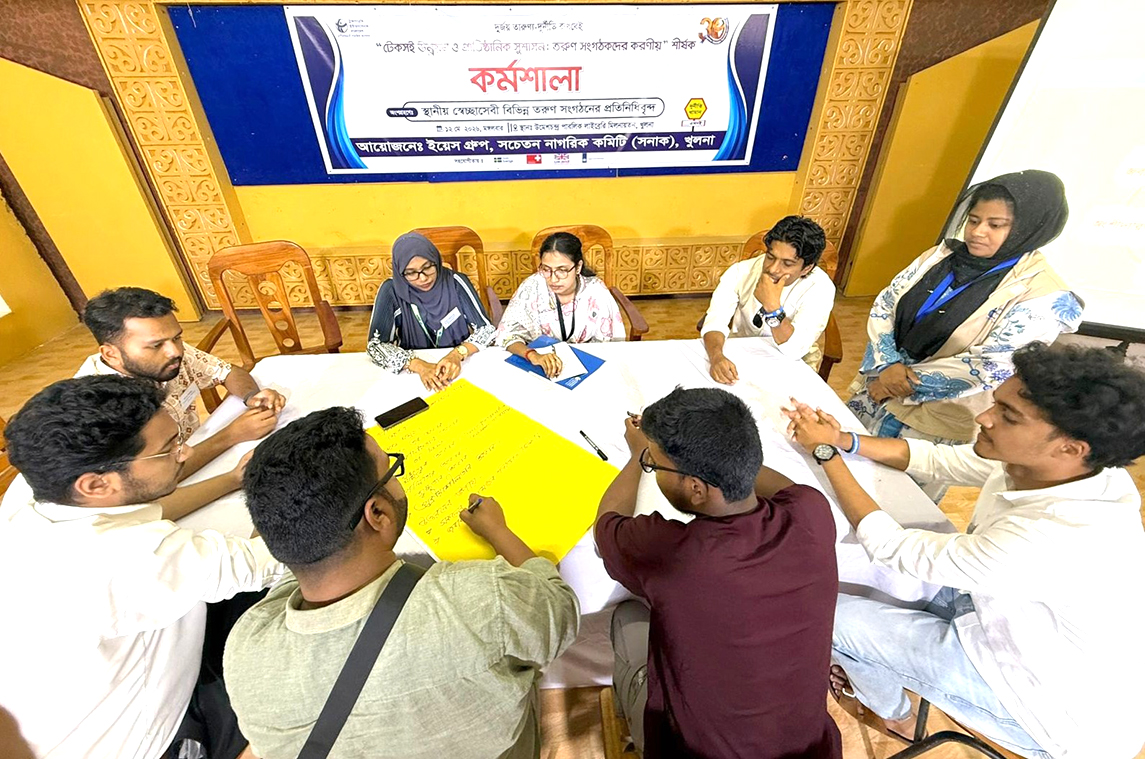
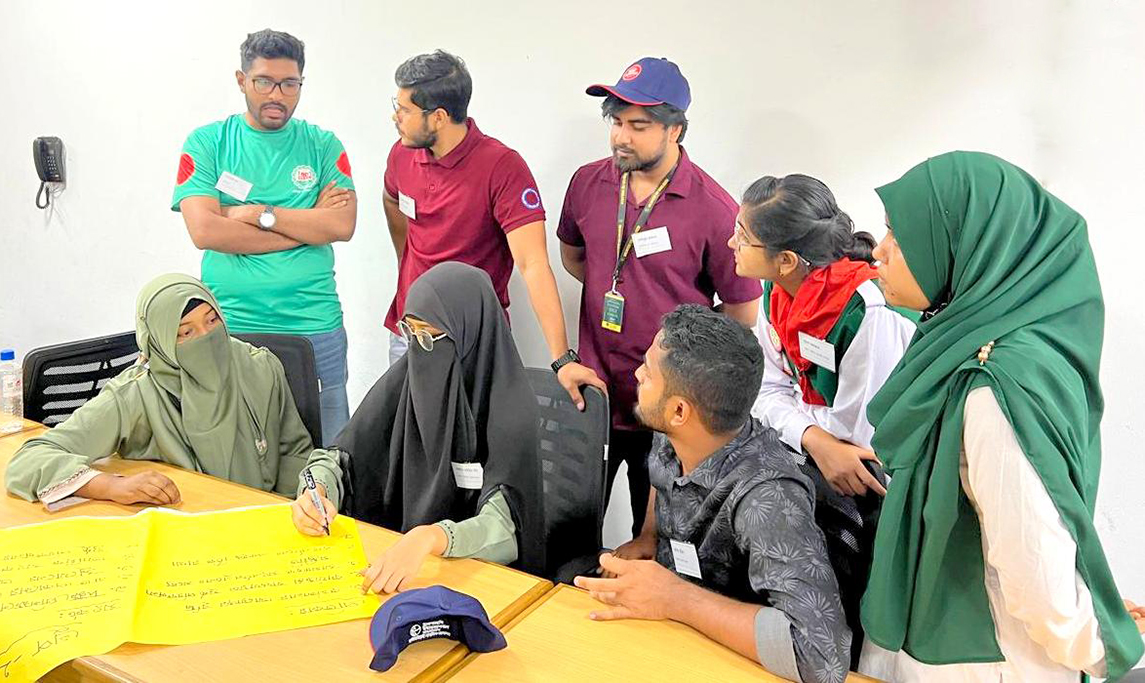
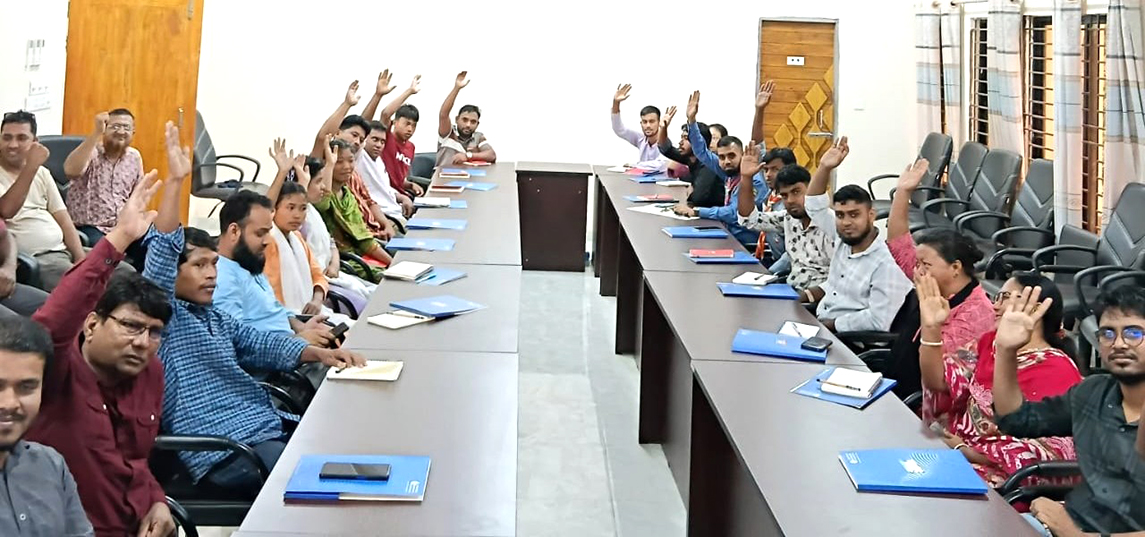
These workshops provided the young participants with the opportunity to engage in discussions among themselves, beyond the remarks made by the guests and dignitaries. Across districts, they identified shared governance challenges, discussed what was blocking transparency and citizen participation, and worked out solutions they could carry back to their organizations and networks. By the close of each workshop, that exchange had turned into a formal commitment. Young leaders took an anti-corruption oath, pledging to carry good governance initiatives forward through the institutions and communities they represent.
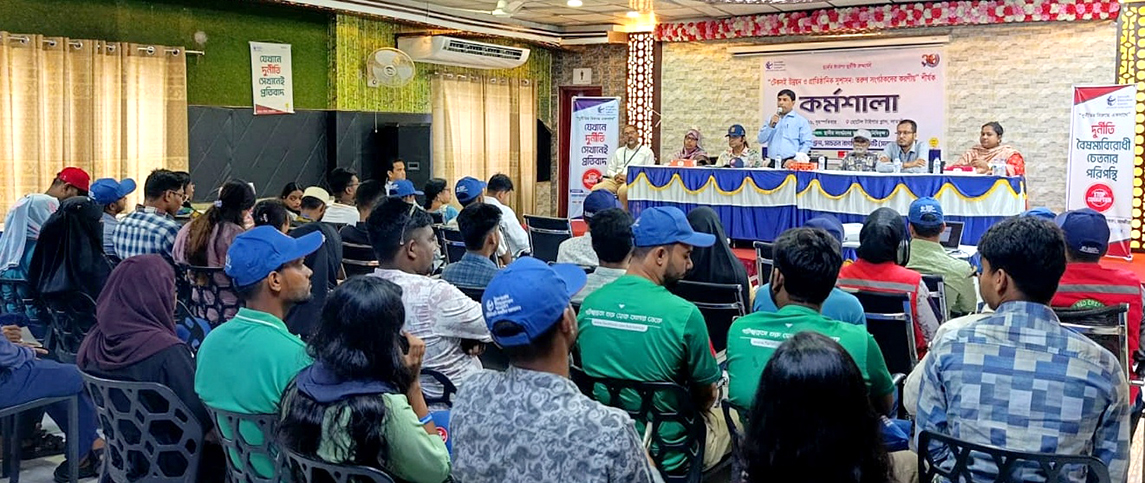
The impact of these workshops extends beyond the number of participants. Two hundred and thirty-eight young leaders from one hundred and one educational, cultural, social, and indigenous organizations participated in a series of workshops. They left as a wider network of aware, active citizens prepared to question corruption in their institutions rather than accept it. This is the quiet groundwork TIB continues to build — a generation that does not wait for accountability to arrive from authorities or from administrations but practices it consistently. The oath these young leaders took in Kushtia, Jashore, Khulna, Satkhira, and Madhupur now calls for action beyond the workshop hall that they carry these commitments into their classrooms, institutions, and communities and to hold authorities accountable for the change they have pledged to deliver.