Published: 20 May 2026
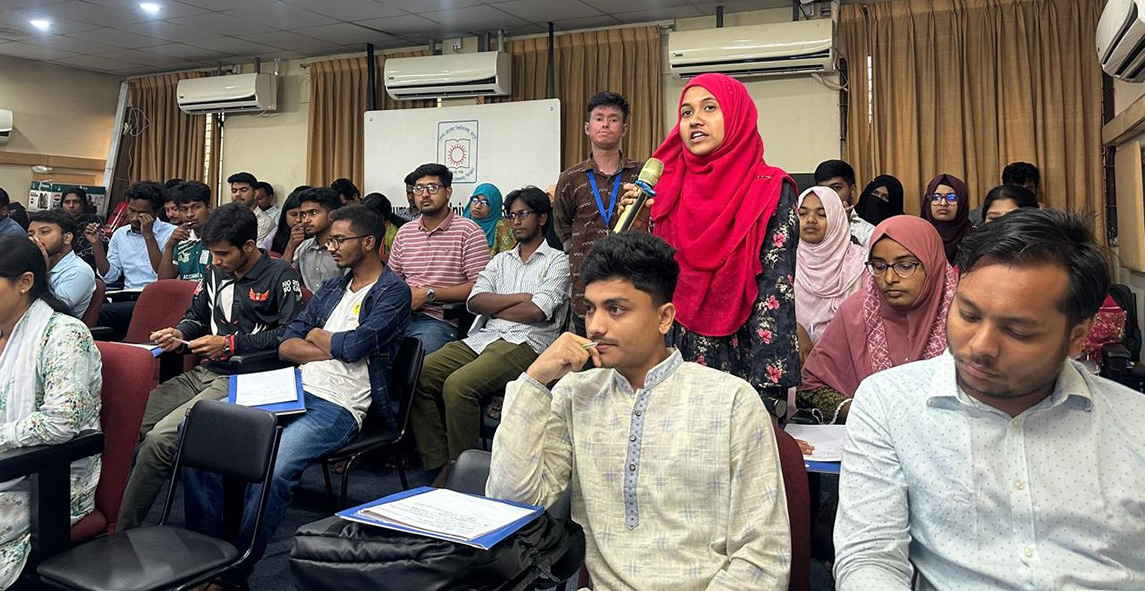
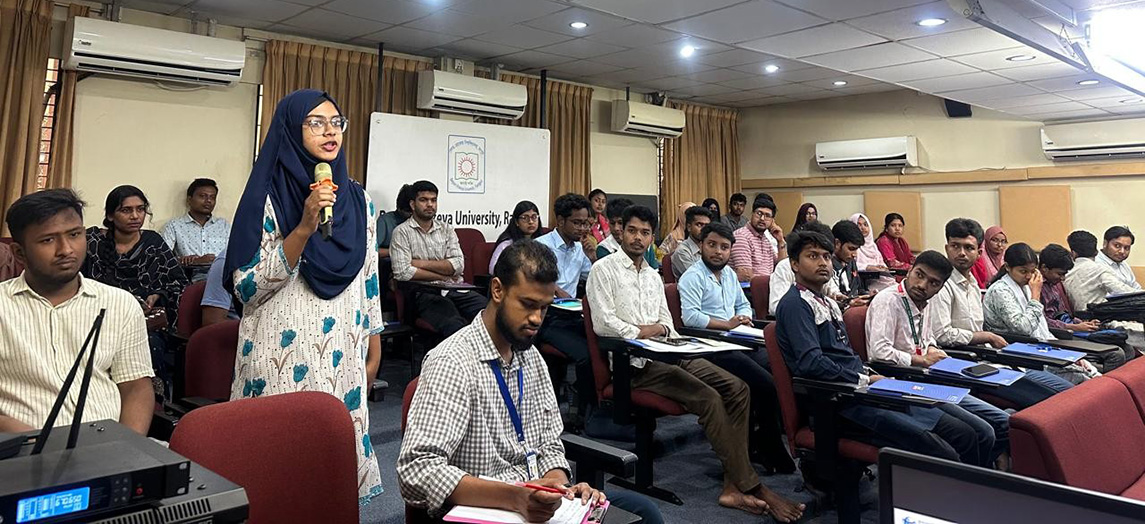
Inside Begum Rokeya University, groups of young people gathered with notebooks, banners, and cups of tea, discussing issues that directly affect their communities and future. But as the conversations unfolded, it became clear that this was more than just another workshop. They were speaking about corruption, accountability, and how young people themselves can help build a more transparent and responsible society. They were speaking about corruption not as an abstract national issue, but as something they confront in everyday life—when services become difficult without influence, when opportunities feel unequal, and when public trust slowly erodes.
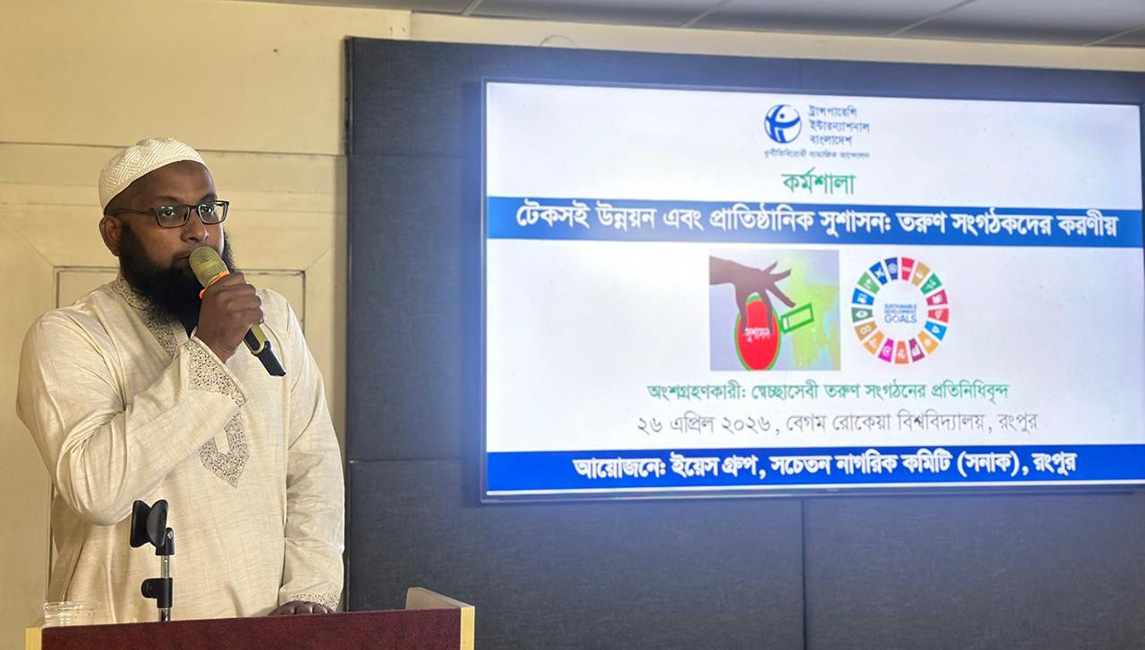
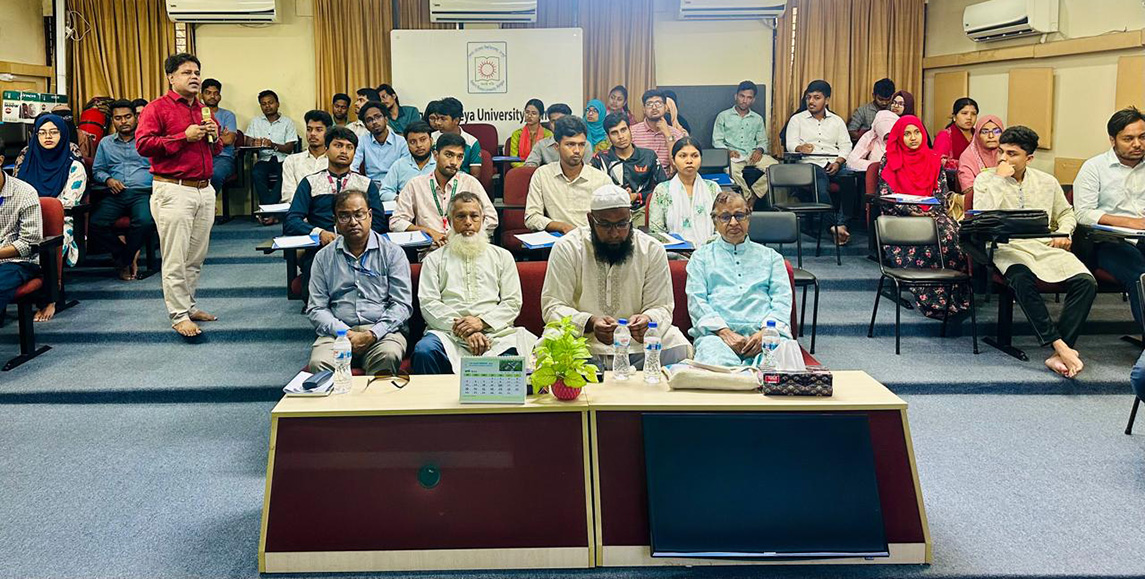
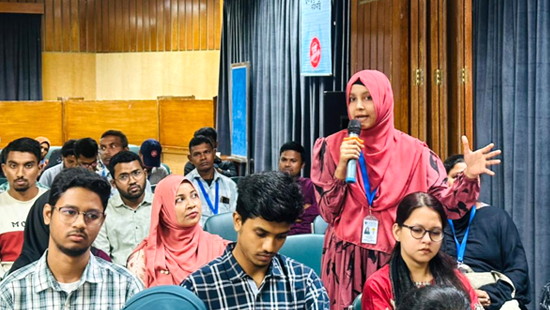
One after another, youth organizers from different voluntary groups shared stories from their communities. Some spoke about frustrations around local accountability. Others discussed how young people frequently experience a sense of disconnection from decision-making processes, even though they are the ones most impacted by them. Instead, the discussions reflected optimism and responsibility. Many of the young participants strongly believed that positive change can begin through collective awareness, active citizen engagement, and everyday practices of honesty and accountability within their communities.
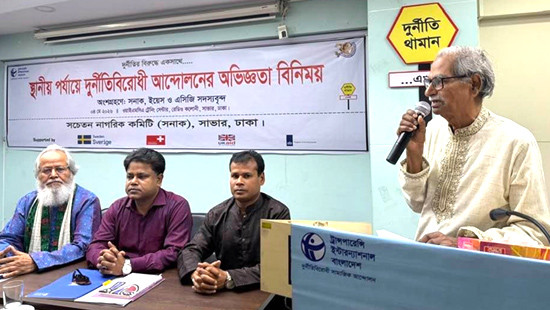
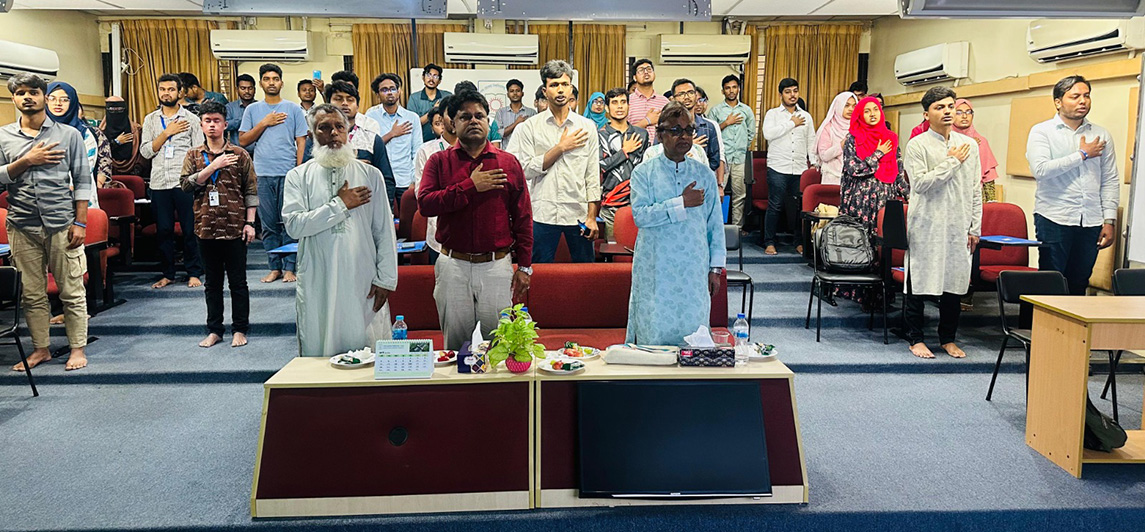
The workshop, titled “Sustainable Development and Institutional Good Governance: What Young Organizers Can Do,” was organized on 26 April 2026 by the Youth Engagement and Support (YES) Group of the Committee of Concerned Citizens (CCC), Rangpur. More than fifty representatives from 21 youth and voluntary organizations joined the discussion.
Facilitating the session, Md. Atikur Rahman, Coordinator of Civic Engagement Division of Transparency International (TIB), spoke about corruption prevention, institutional good governance, Sustainable Development Goals (SDGs), and the Right to Information (RTI) Act. But beyond the technical discussions, the conversations repeatedly returned to one central idea: sustainable development is impossible without trust, accountability, and citizen participation.
Professor Dr. Md. Ferdous Rahman, Proctor of Begum Rokeya University, reminded participants that corruption is not only a governance issue but also a social challenge that weakens institutions and public confidence. He emphasized that young people have a critical role in shaping a more accountable future.
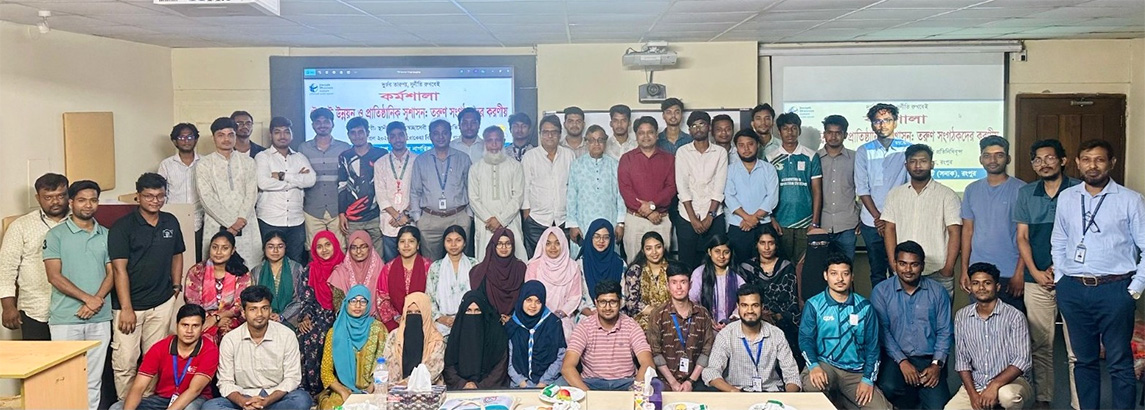
What made the workshop different, however, was the energy of the participants themselves. Many of the young organizers represented small local initiatives—volunteer groups working on education, social awareness, blood donation, environmental protection, and community support. Individually, their efforts may appear small. But together, they reflected something powerful: a generation increasingly unwilling to normalize corruption as part of everyday life.
A few days later, on 29 April, a similar atmosphere emerged in Bogura.
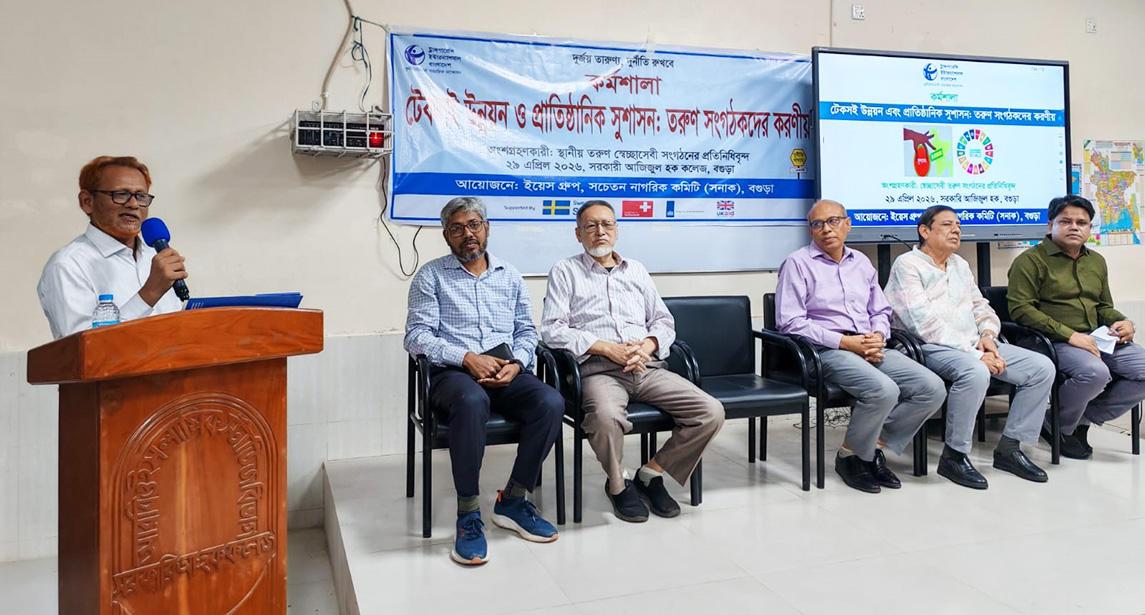
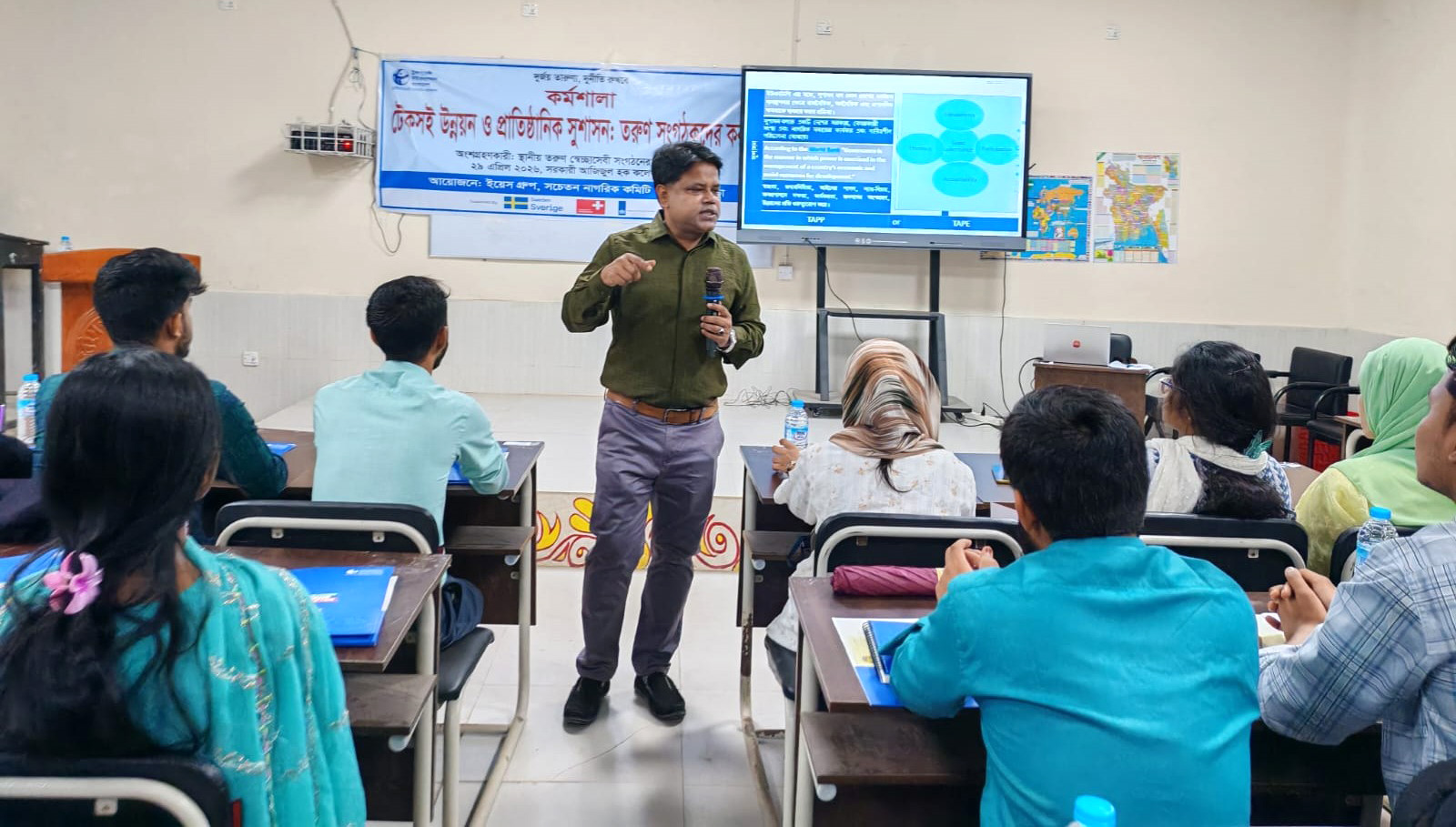
Inside Government Azizul Haque College, more than fifty representatives from 17 youth and voluntary organizations gathered for another workshop organized by the YES Group of CCC, Bogura. The discussions echoed many of the same concerns heard in Rangpur—weak accountability, declining social trust, and the need for stronger civic values.
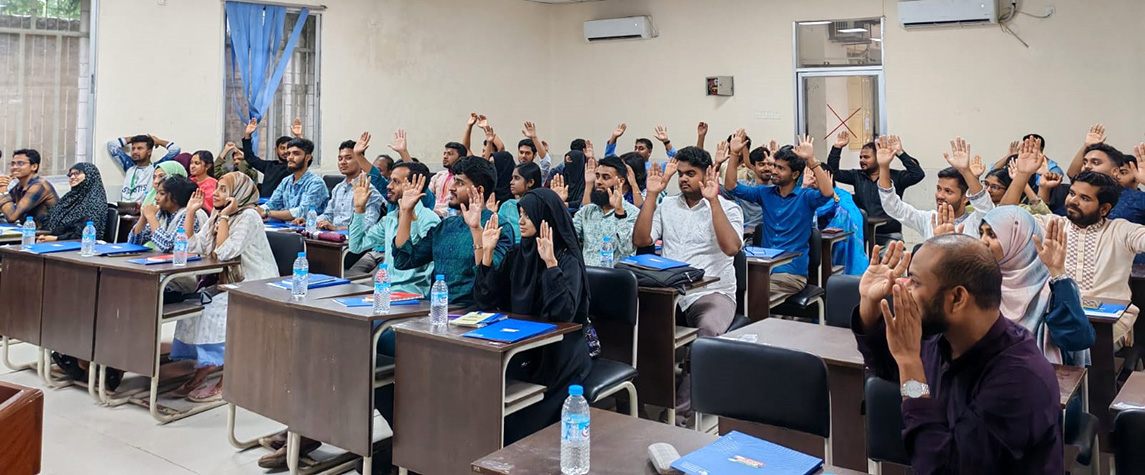
But here too, the conversations gradually shifted toward responsibility. Participants discussed how corruption survives not only through systems, but also through silence and social acceptance. Several young organizers argued that communities must stop glorifying dishonest success and instead create social pressure against corruption in everyday life.
At one point, the discussion moved beyond policy language altogether. Participants openly pledged to socially reject corrupt practices and discourage the normalization of unethical behavior within their communities and peer circles.
Speaking as chief guest, Professor Md. Mahfuzul Islam, Principal of Government Azizul Haque College, encouraged the participants to develop themselves as enlightened and responsible citizens capable of leading positive social change.
Throughout both workshops, one thing became increasingly visible that these young people were not simply attending awareness sessions. They were trying to redefine what citizenship and civic responsibility should look like in their generation.
In a country where conversations around corruption often remain confined to institutions, policies, or political debates, the gatherings in Rangpur and Bogura offered a quieter but important reminder—that change also begins socially, through values practiced in communities, on campuses, and everyday life.
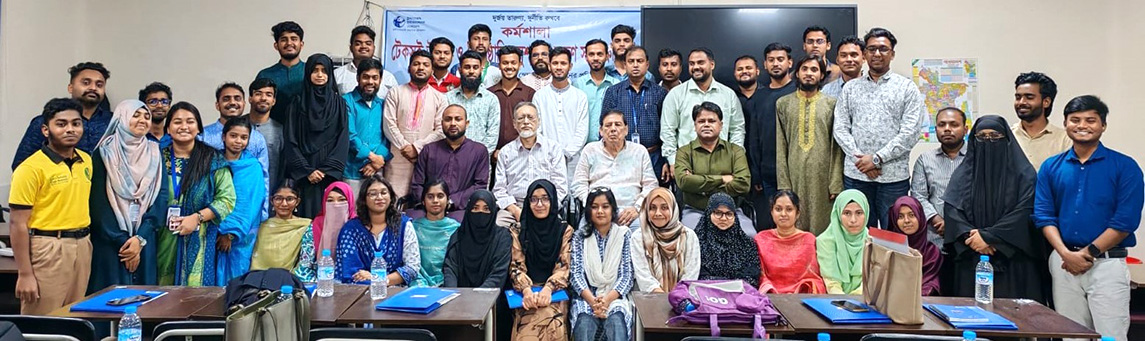
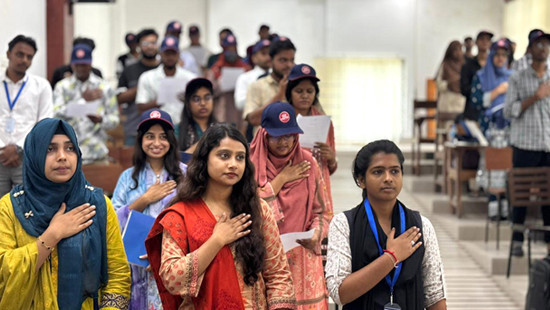
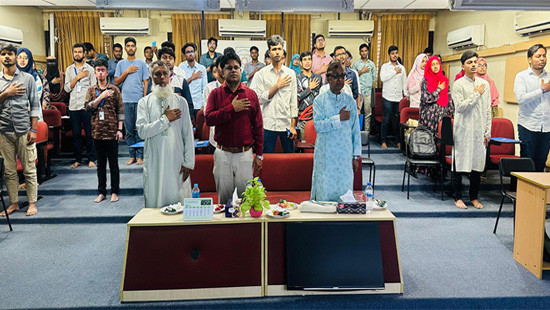
By the end of the workshops, the participants stood together to take an anti-corruption oath—pledging to promote transparency, accountability, and integrity through their actions and in organizations. It was a powerful reflection of a generation that wants to be actively involved in building a more responsible and corruption-free society.